


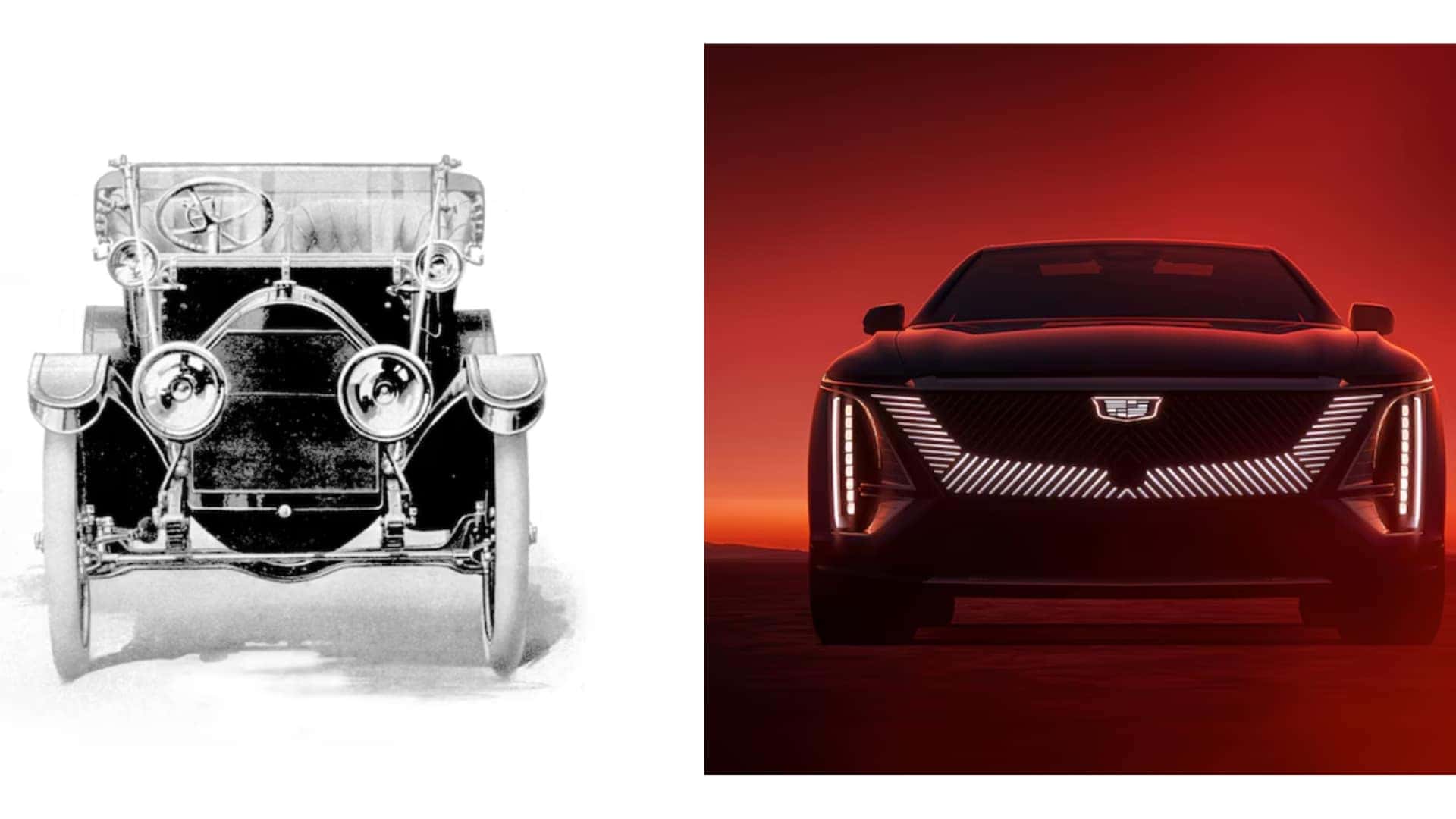
Explore the History of Cadillac
Cadillac has played a defining role in American luxury vehicles for more than a century. Since its founding in 1902, the brand has built its reputation around precision engineering, distinctive design, premium craftsmanship, and technologies created to make driving more comfortable and refined.
Follow Cadillac’s evolution from its earliest automobiles and landmark engineering achievements to iconic luxury models, the rise of the Escalade, V-Series performance, and today’s expanding selection of advanced gas-powered and electric vehicles.
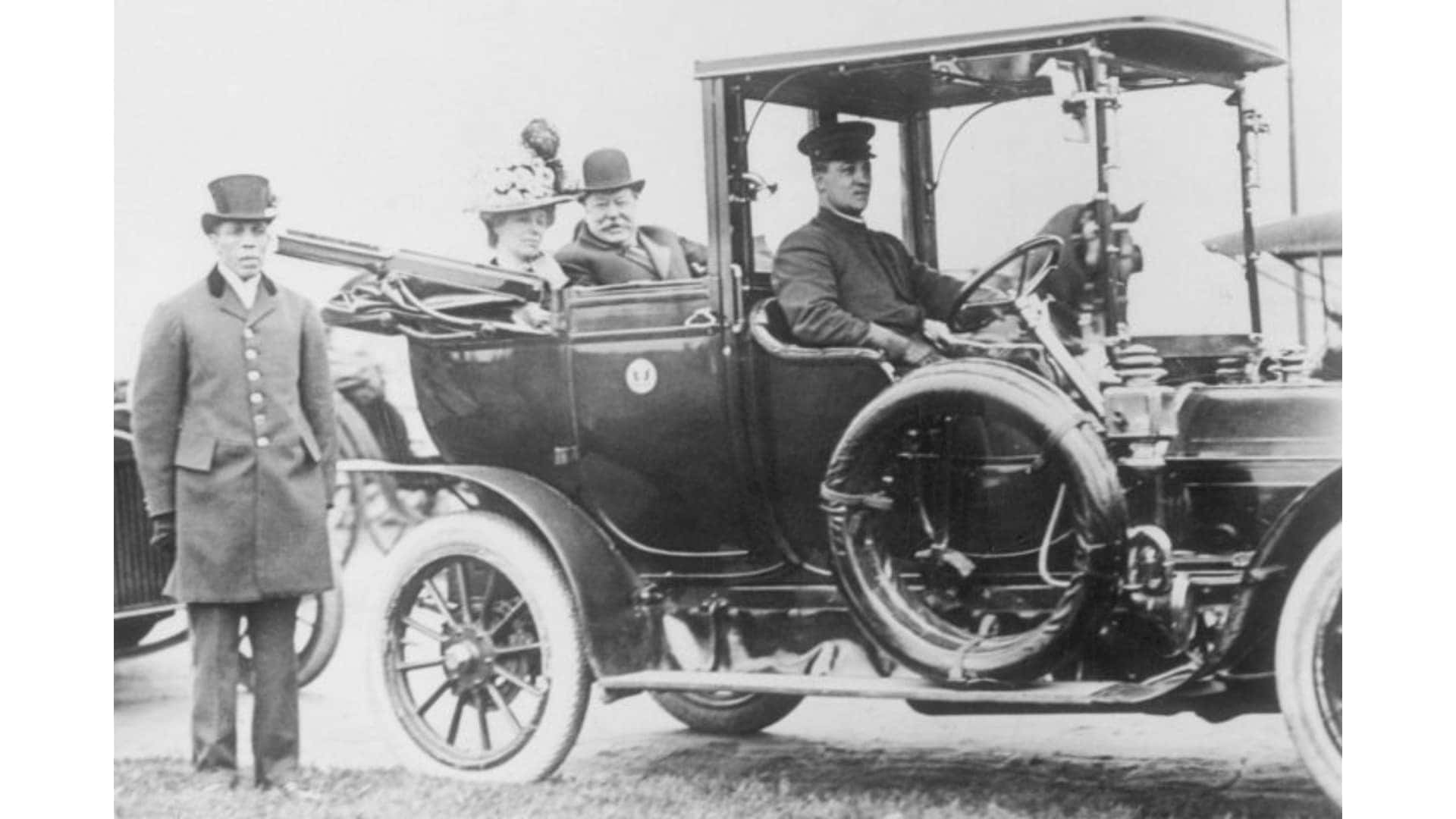
The Founding of Cadillac
Cadillac was founded in 1902 after the reorganization of the Henry Ford Company. Engineer Henry M. Leland helped establish the new automaker, which took its name from Antoine de la Mothe Cadillac, the French explorer associated with the founding of Detroit.
From the beginning, Cadillac placed significant emphasis on precision manufacturing and engineering quality. These principles helped establish an identity centered on craftsmanship, technical advancement, and premium automobiles.
Founding Highlights
- Cadillac Automobile Company established in 1902
- Henry M. Leland played a central role in the company’s formation
- Named after Antoine de la Mothe Cadillac
- Early reputation built around precision manufacturing
Early Success: Runabout and Tonneau
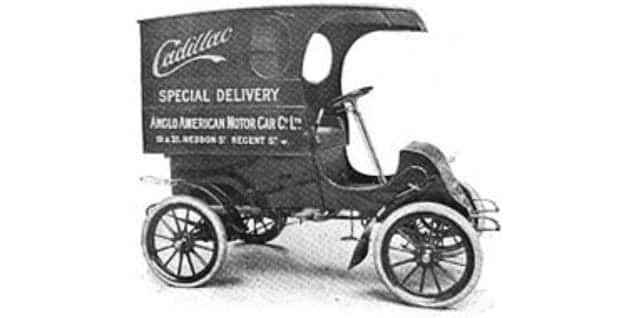
Cadillac’s early Runabout and Tonneau automobiles helped introduce the young brand to American motorists. Their relatively simple designs were backed by the precise manufacturing philosophy that would become an important part of Cadillac’s reputation.
Public interest in Cadillac grew rapidly during its first years. The company’s early success demonstrated that customers valued not only appearance and comfort, but also consistency and engineering quality.
Early Cadillac Highlights
- Runabout and Tonneau among Cadillac’s earliest automobiles
- Single-cylinder power used during Cadillac’s early years
- Strong early interest helped establish the young automaker
- Precision manufacturing became a defining Cadillac principle
Engineering Innovation and the Standard of the World
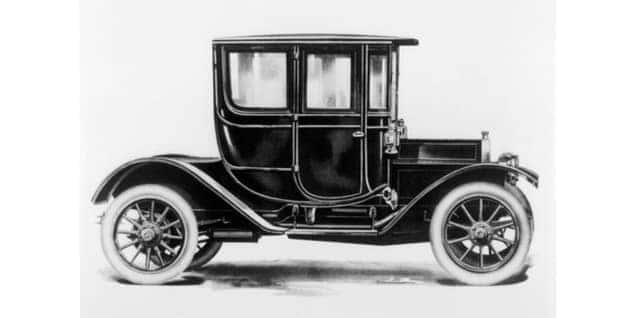
Cadillac earned international attention for precision manufacturing when interchangeable vehicle components were demonstrated in competition for the Dewar Trophy. The achievement helped reinforce Cadillac’s reputation for standardized manufacturing and engineering accuracy.
Another major advancement arrived in 1912 with Cadillac’s electric self-starter, lighting, and ignition system. The electric starter helped eliminate the difficult process of manually cranking an engine and represented a major step forward in automobile convenience.
Innovation Highlights
- Dewar Trophy recognition for interchangeable components
- Electric self-starter introduced in 1912
- Electric lighting and ignition technology
- Growing reputation for precision and technical innovation
Cadillac Joins General Motors and Introduces the V8
General Motors purchased Cadillac in 1909, positioning the company as an important luxury division within the growing GM organization. Cadillac continued pursuing technology, performance, and premium vehicle development under General Motors.
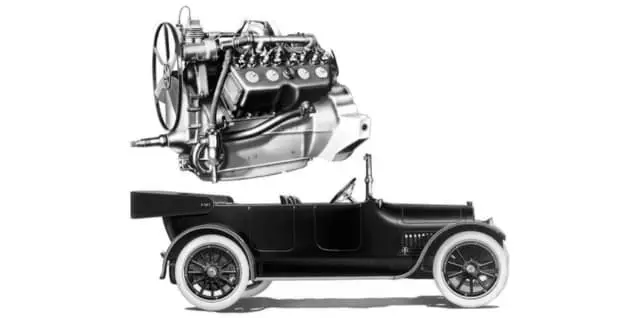
For 1915, Cadillac introduced its Type 51 with a mass-produced V8 engine. The new engine represented an important advancement for luxury automobiles and helped establish the V8 configuration as an enduring part of Cadillac’s performance heritage.
Performance Milestones
- Cadillac acquired by General Motors in 1909
- Cadillac positioned as a premier luxury GM division
- Mass-produced V8 introduced for 1915
- V8 performance became an important part of Cadillac history
1920s – 1930s: Design and Craftsmanship
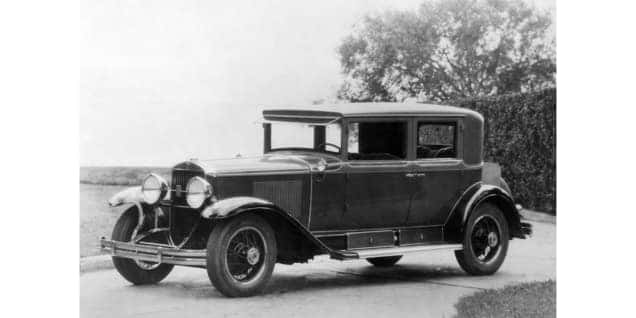
During the 1920s and 1930s, Cadillac expanded beyond engineering excellence and placed increasing emphasis on automotive styling, personalization, and craftsmanship. Customers could choose from numerous body configurations and exterior combinations to create increasingly personalized luxury automobiles.
Harley Earl’s work on the 1927 LaSalle helped demonstrate the growing importance of professional automotive styling. Design became increasingly central to Cadillac’s identity, creating a foundation for the dramatic vehicles that would follow in later decades.
Design Highlights
- Growing range of body styles and exterior combinations
- Greater emphasis on visual design and personalization
- Harley Earl helped advance professional automotive styling
- LaSalle became an important milestone in GM design history
1940s – 1950s: Postwar Cadillac Design
During World War II, Cadillac redirected manufacturing resources toward military production. When civilian automobile production resumed, the company entered a period that would produce some of the most recognizable Cadillac styling in its history.
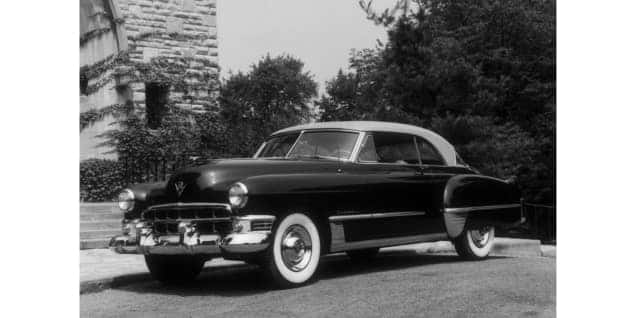
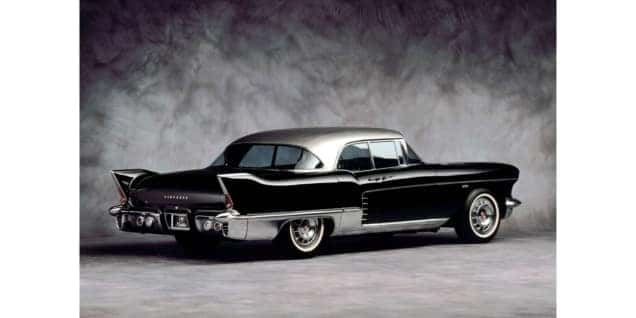
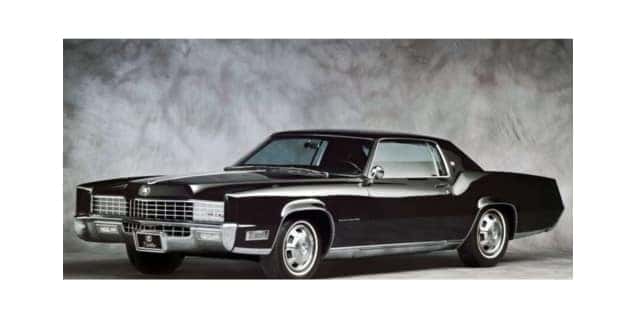
Tailfin-inspired styling appeared on 1948 Cadillac models and became increasingly dramatic throughout the following decade. Vehicles such as the Eldorado reflected the size, chrome detailing, performance, and unmistakable road presence associated with postwar American luxury.
Postwar Highlights
- Cadillac manufacturing supported wartime production
- Distinctive tailfin styling appeared for 1948
- Modern overhead-valve V8 development followed
- Eldorado became one of Cadillac’s most recognizable nameplates
The Golden Era of Cadillac
Cadillac became one of the most recognizable symbols of American automotive luxury during the 1950s. Expansive proportions, elaborate styling, powerful engines, and increasingly sophisticated convenience features helped distinguish Cadillac vehicles from conventional automobiles.
Models such as the Eldorado became closely associated with Cadillac’s image, while innovations involving seating, climate comfort, power accessories, and suspension technology helped advance expectations for premium vehicles.
1950s Cadillac Highlights
- Increasingly dramatic Cadillac exterior design
- Eldorado established as an important luxury nameplate
- Expanding range of power-operated convenience features
- Continued advancement of passenger comfort technology
1960s – 1980s: Comfort, Technology and Change
Cadillac continued expanding comfort and convenience technology throughout the 1960s and 1970s. Features involving climate control, seating, lighting, steering, and passenger protection demonstrated how rapidly the luxury automobile was becoming more sophisticated.
The automotive market changed considerably during the 1970s and 1980s as fuel economy, vehicle size, emissions requirements, and new technologies became increasingly important. Cadillac responded with new platforms and designs while continuing to emphasize comfort and premium appointments.
Era Highlights
- Advances in automatic climate and comfort technology
- Air Cushion Restraint System available during the mid-1970s
- Growing use of electronic vehicle technology
- New vehicle sizes and designs introduced during the 1980s
1980s: Cadillac Enters a New Era
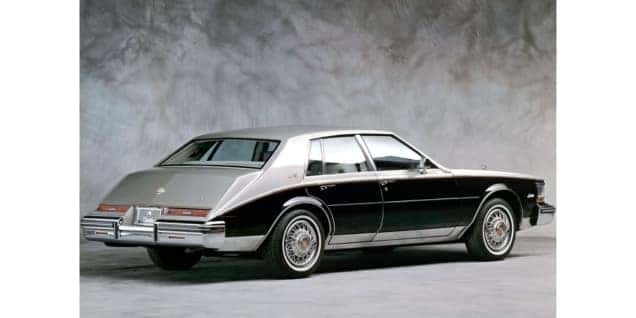
Changing customer expectations and industry pressures brought a new generation of Cadillac vehicles during the 1980s. The brand explored smaller platforms, evolving powertrains, digital technology, and distinctive styling while maintaining its traditional focus on luxury.
Vehicles such as the Seville demonstrated Cadillac’s willingness to experiment with unconventional exterior design and emerging technology. The decade represented an important transition between the large traditional luxury cars of earlier years and the increasingly technology-focused vehicles that followed.
1980s Highlights
- Changing proportions and vehicle platforms
- Growing use of electronic technology
- Distinctive Cadillac Seville styling
- Greater focus on efficiency alongside luxury and comfort
1990s: Cadillac Enters the Luxury SUV Market
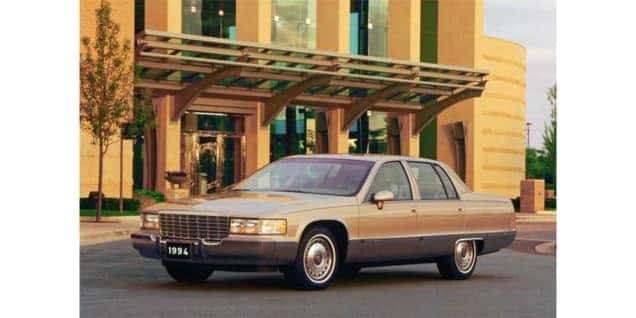
Cadillac expanded into a new vehicle category with the arrival of the Escalade for the 1999 model year. The full-size SUV combined the passenger space and capability customers expected from a utility vehicle with Cadillac luxury appointments and distinctive design.
Escalade quickly became one of Cadillac’s most recognizable nameplates and helped position the brand for changing customer preferences. Later generations expanded the Escalade’s technology, performance, interior craftsmanship, and luxury features.
Escalade Highlights
- Cadillac entered the luxury SUV market with Escalade
- Combined full-size utility with Cadillac luxury
- Became one of Cadillac’s defining modern nameplates
- Expanded into multiple configurations and performance variants
2000s and Beyond: A Modern Cadillac Identity
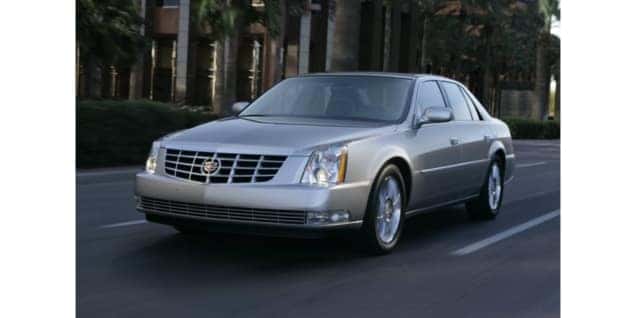
Cadillac entered the 2000s with a dramatically different design direction commonly associated with its Art and Science philosophy. Crisp surfaces, angular styling, vertical lighting elements, and a greater focus on driving performance helped create a more contemporary identity.
Vehicles such as the CTS helped introduce Cadillac to a new generation of luxury-car customers, while V-Series models demonstrated a growing emphasis on high-performance engineering. Cadillac continued expanding advanced infotainment, driver assistance, connectivity, and chassis technology in the decades that followed.
Modern Cadillac Highlights
- Art and Science influenced a new Cadillac design direction
- CTS helped reshape Cadillac’s modern sedan identity
- V-Series expanded Cadillac performance offerings
- Technology and connectivity became increasingly important
Explore Today’s Cadillac Lineup
Cadillac’s modern lineup stretches from luxury sedans and performance vehicles to full-size SUVs and a rapidly expanding selection of electric vehicles. The range gives Cadillac shoppers options for traditional luxury, high-performance driving, family transportation, and all-electric mobility.
Cadillac Sedans and Performance
- Cadillac CT4: A compact luxury sport sedan with rear-wheel-drive architecture and available all-wheel drive.
- Cadillac CT5: A midsize luxury sedan combining distinctive design, advanced technology, and available performance upgrades.
- Cadillac V-Series: Performance-focused Cadillac models including CT4-V, CT4-V Blackwing, CT5-V, and CT5-V Blackwing.
Cadillac SUVs
- Cadillac XT5: A five-passenger luxury SUV offering flexible interior space and available all-wheel drive.
- Cadillac Escalade: Cadillac’s flagship full-size luxury SUV with spacious accommodations and advanced technology.
- Cadillac Escalade ESV: An extended-length Escalade offering additional passenger and cargo space.
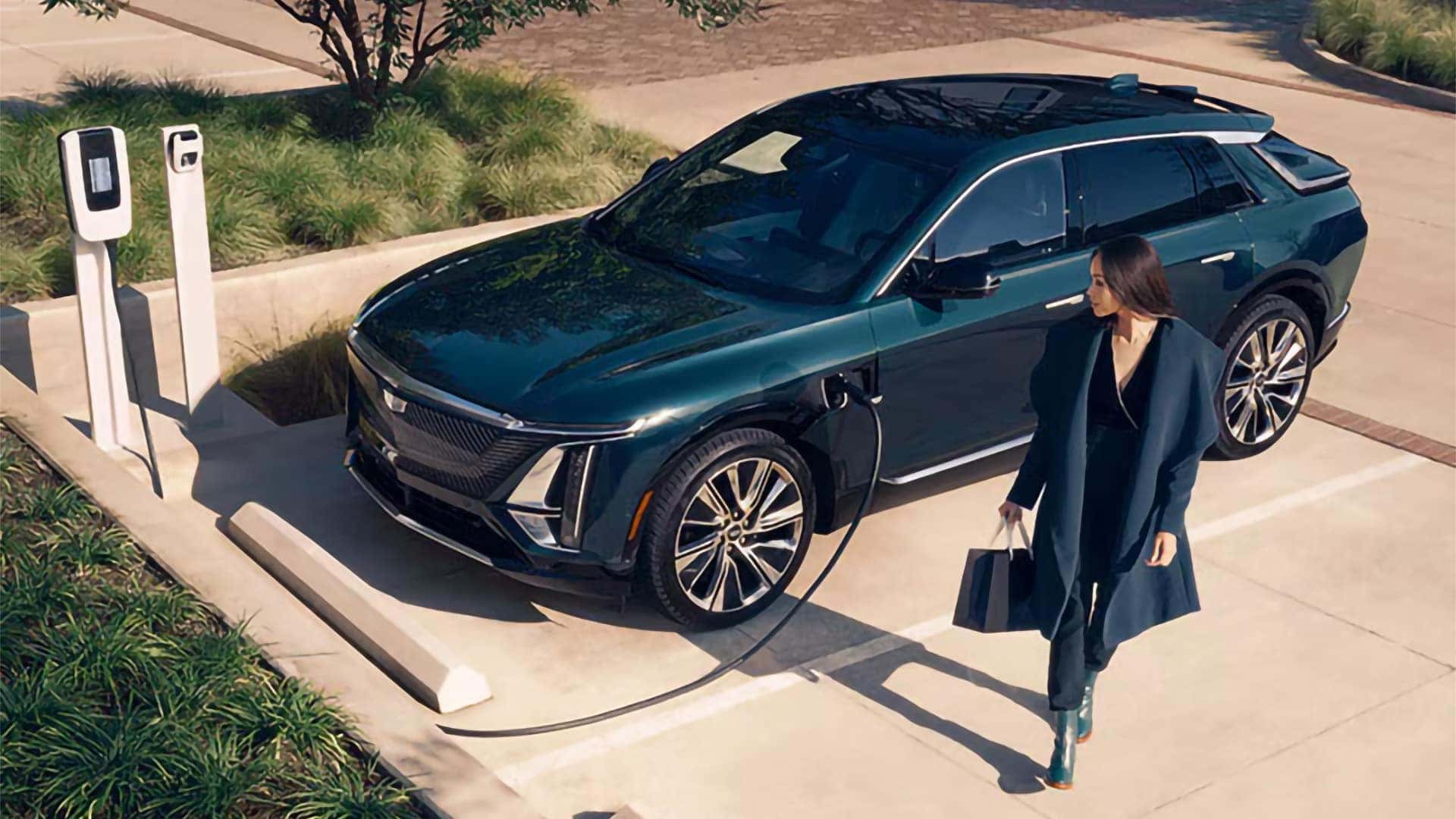
Cadillac’s Expanding Electric Vehicle Lineup
Electrification has become an increasingly important part of Cadillac’s modern lineup. What began with LYRIQ has expanded into several electric vehicle segments, ranging from compact luxury SUVs to three-row family vehicles and ultra-luxury automobiles.
Cadillac’s electric vehicles combine the brand’s focus on design and craftsmanship with new propulsion technology, digital displays, connectivity, driver assistance systems, and the quiet performance characteristics of an electric drivetrain.
Electric Cadillac Models
- Cadillac OPTIQ: A compact electric luxury SUV designed around maneuverability, technology, and everyday versatility.
- Cadillac LYRIQ: An electric luxury SUV combining distinctive styling with an advanced digital cabin.
- Cadillac VISTIQ: A three-row electric luxury SUV offering additional passenger space and performance.
- Cadillac ESCALADE IQ: An all-electric interpretation of Cadillac’s flagship luxury SUV.
- Cadillac ESCALADE IQL: An extended-length electric Escalade designed to provide additional interior room.
- Cadillac CELESTIQ: A hand-crafted, custom-commissioned electric ultra-luxury vehicle positioned at the top of the Cadillac range.
Contact Sid Dillon Cadillac
Have questions about a Cadillac vehicle or want to schedule a test drive? Contact our Cadillac specialists in Fremont for help finding the right luxury car or SUV.
Frequently Asked Questions
When was Cadillac founded?
Cadillac was founded in 1902 following the reorganization of the Henry Ford Company. Henry M. Leland played an important role in establishing the new automaker and its focus on precision manufacturing.
When did Cadillac become part of General Motors?
General Motors purchased Cadillac in 1909. Cadillac subsequently became an important luxury division within GM.
What important automotive innovations is Cadillac known for?
Cadillac’s early achievements include precision interchangeable components, the electric self-starter introduced in 1912, and a mass-produced V8 engine introduced for 1915. The brand continued developing new comfort, safety, performance, and electronic technologies in later decades.
What are some of Cadillac’s most famous models?
Notable Cadillac nameplates from throughout the brand’s history include the Eldorado, DeVille, Seville, Fleetwood, CTS, Escalade, and modern V-Series performance vehicles.
What Cadillac models are available today?
Cadillac’s modern lineup includes luxury sedans, performance vehicles, SUVs, and electric vehicles. Models include the CT4, CT5, XT5, Escalade, LYRIQ, OPTIQ, VISTIQ, ESCALADE IQ, ESCALADE IQL, CELESTIQ, and several V-Series models. Availability can vary by model year and dealership inventory.
Does Cadillac offer electric vehicles?
Yes. Cadillac offers a growing electric vehicle lineup that includes models such as the OPTIQ, LYRIQ, VISTIQ, ESCALADE IQ, ESCALADE IQL, and CELESTIQ, along with electric V-Series performance models.
Where can I shop for Cadillac vehicles near Fremont, Nebraska?
Sid Dillon Buick GMC Cadillac in Fremont offers Cadillac vehicles and can help with current inventory, financing, trade-ins, vehicle questions, and scheduling a test drive.
