


Explore Dodge History, Muscle & Performance
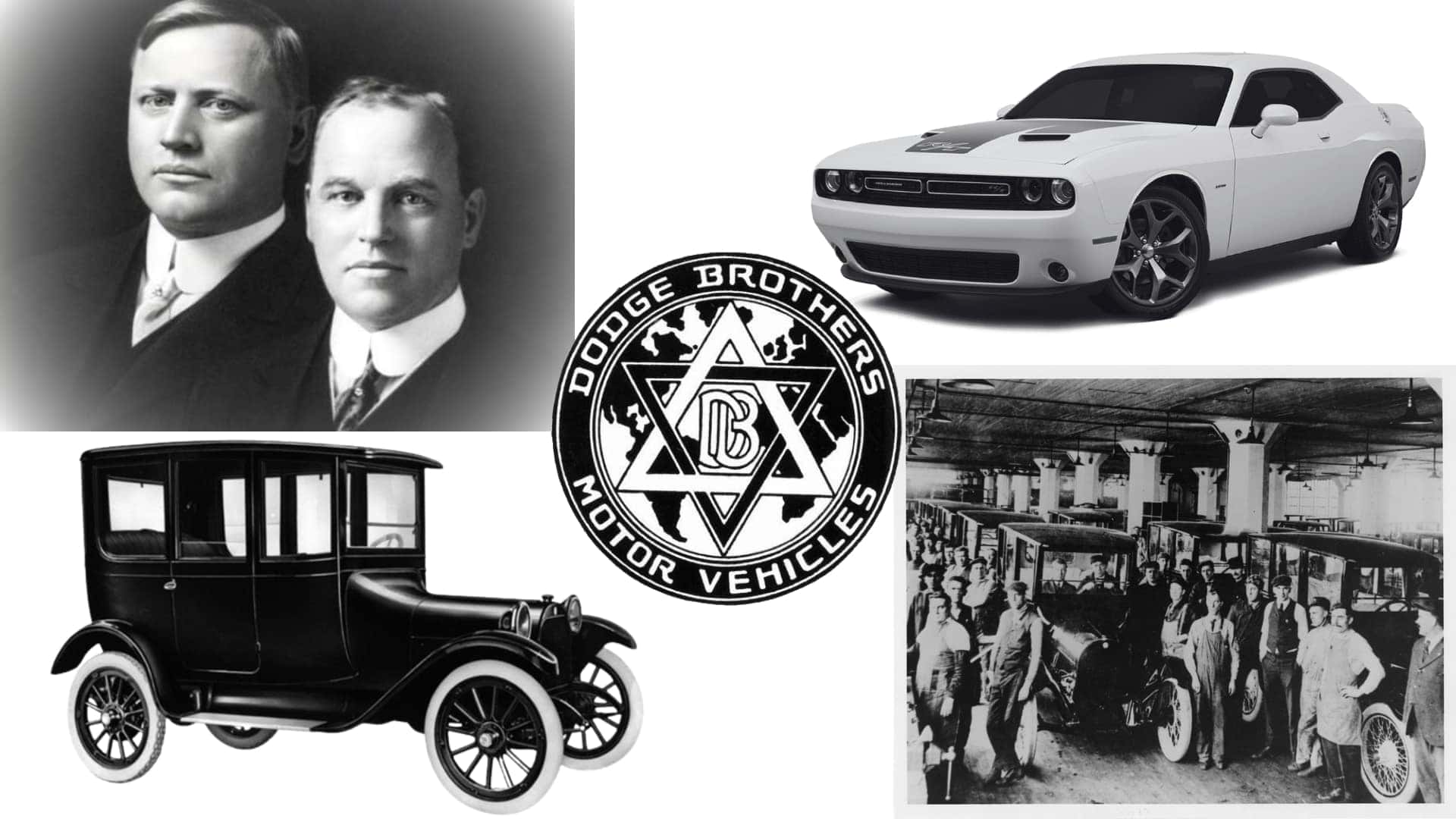
Dodge has built its reputation around bold engineering, unmistakable design, and performance that spans generations. From the mechanical expertise of John and Horace Dodge to legendary Charger, Challenger, and Viper models, the brand has become closely associated with American performance.
Explore Dodge history, muscle-car heritage, the development of the Dodge minivan, high-performance engineering, modern Charger technology, SUVs, electrification, and available Dodge inventory at Sid Dillon Chrysler Dodge Jeep Ram in Crete.
The Dodge Brothers: From Bicycles to Automobiles
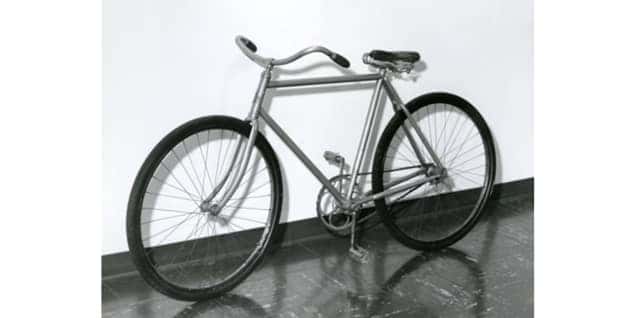
John and Horace Dodge established reputations as skilled machinists before becoming automobile manufacturers. Their early mechanical work included bicycles and precision components, eventually leading them into Detroit’s rapidly developing automobile industry.
The brothers became major suppliers of engines, transmissions, and other components to early automakers. Their manufacturing experience and engineering capabilities eventually gave them the foundation needed to build automobiles under their own name.
Early Dodge Highlights
- John and Horace Dodge developed expertise in precision manufacturing
- Early business ventures included bicycle components
- Dodge became an important automotive parts supplier
- The brothers worked closely with early Detroit automakers
- Manufacturing experience paved the way for Dodge automobiles
Dodge Begins Building Automobiles
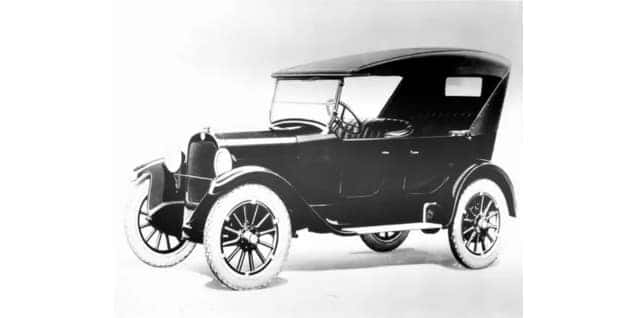
The Dodge brothers moved from supplying other automobile companies to producing their own vehicles in 1914. Early Dodge automobiles quickly earned a reputation for rugged construction, dependable performance, and engineering quality.
Dodge also became known for extensive use of all-steel body construction at a time when many vehicles still relied heavily on wood framing. Strong demand helped establish Dodge among the leading American automobile manufacturers during its early years.
Early Automobile Highlights
- Dodge began producing its own automobiles in 1914
- Vehicles developed a reputation for durability and reliability
- All-steel body construction became an important Dodge characteristic
- Commercial and military vehicles expanded Dodge production

Building a Reputation for Strength
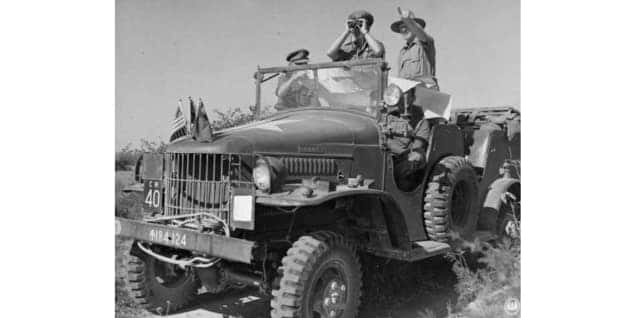
Dodge’s early automobiles established a reputation for dependable engineering and sturdy construction. The vehicles found uses ranging from everyday transportation to demanding military applications, helping demonstrate their durability.
The Dodge brothers continued expanding production into passenger automobiles, commercial vehicles, and trucks. Their company became an important part of the growing American automotive industry before both brothers died unexpectedly in 1920.
Growing Dodge Reputation
- Passenger cars established Dodge in the American market
- Commercial vehicles expanded the company’s capabilities
- Dodge vehicles served in demanding military applications
- Durability became a defining characteristic of the brand
Wartime Production and Postwar Growth
Dodge became part of Chrysler Corporation in 1928, beginning a relationship that continues through today’s Stellantis organization. During the decades that followed, Dodge expanded its passenger-car and truck offerings while continuing to develop new manufacturing and engineering technologies.
During World War II, Dodge contributed extensively to military production, including trucks and other equipment. Civilian production resumed after the war with vehicles such as Coronet and Meadowbrook, helping Dodge adapt to a rapidly growing postwar automobile market.
Era Highlights
- Dodge became part of Chrysler Corporation in 1928
- Truck production remained an important part of Dodge
- Manufacturing supported Allied efforts during World War II
- Postwar vehicles included Coronet and Meadowbrook
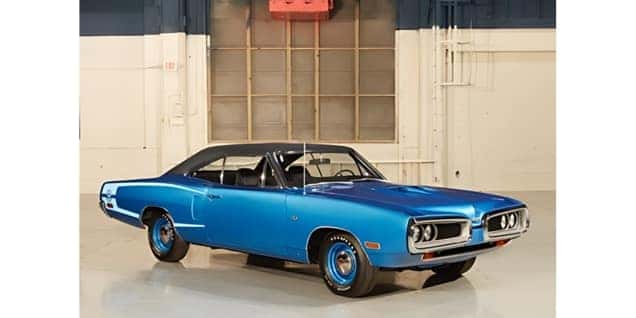
The Dodge Muscle Car Era
Performance became one of the strongest parts of Dodge’s identity during the 1960s and 1970s. Charger arrived for 1966 and combined dramatic styling with a wide range of powerful engine options, establishing a nameplate that would become closely associated with Dodge performance.
Challenger followed for 1970 and gave Dodge another distinctive entry in the muscle-car market. Both nameplates became deeply connected to American performance culture, motorsports, movies, television, and generations of enthusiast vehicles.
Muscle Car Highlights
- Dodge Charger debuted for 1966
- Dodge Challenger debuted for 1970
- Powerful V8 and HEMI engines helped define Dodge performance
- Motorsports strengthened Dodge’s performance reputation
- Charger and Challenger became enduring enthusiast nameplates
Dodge Caravan and the Minivan Revolution
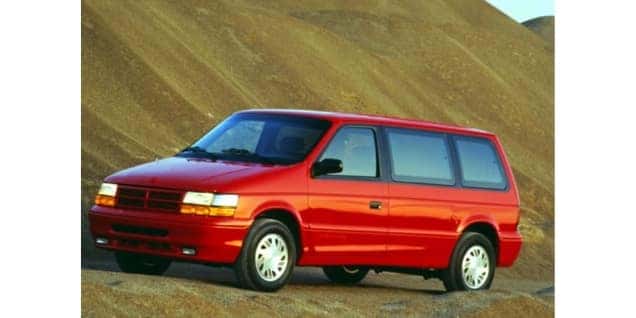
Dodge became part of one of the most important changes in family transportation when Chrysler Corporation introduced its front-wheel-drive minivans for the 1984 model year. The Dodge Caravan combined passenger space and cargo flexibility with a footprint and driving experience that were more approachable than traditional full-size vans.
Caravan and Grand Caravan evolved through multiple generations with improvements to seating flexibility, sliding-door access, passenger comfort, storage, and entertainment technology. Although Dodge no longer produces a minivan, Caravan remains an important part of the brand’s history.
Minivan Highlights
- Dodge Caravan arrived for the 1984 model year
- Front-wheel-drive packaging provided flexible passenger space
- Grand Caravan expanded passenger and cargo capability
- Later generations incorporated Stow ‘n Go seating
- Caravan helped transform family vehicle design
Viper, SRT and the Return of Modern Muscle
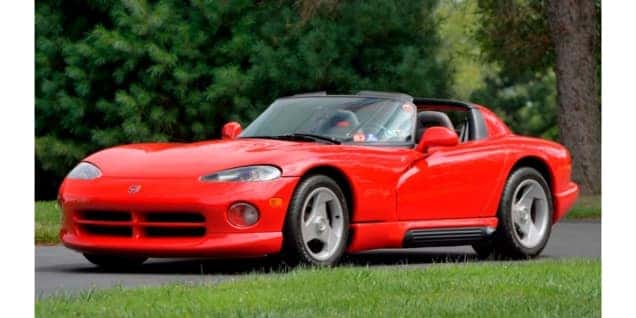
Dodge renewed its performance image with the Viper, a dramatic V10-powered sports car that entered production during the 1990s. Its minimalistic approach, aggressive styling, and enormous engine made Viper one of the most recognizable American performance vehicles of its era.
Later generations of Charger and Challenger brought classic Dodge muscle names back to modern roads. SRT engineering, HEMI V8 power, and eventually supercharged Hellcat models pushed factory performance to levels that helped establish a new era of Dodge muscle.
Modern Performance Heritage
- Viper brought V10 performance to Dodge
- Charger returned as a modern performance sedan
- Challenger revived classic Dodge muscle-car styling
- SRT models expanded track-focused performance
- Hellcat engines created a new chapter of supercharged Dodge muscle
The Next Generation of Dodge Charger
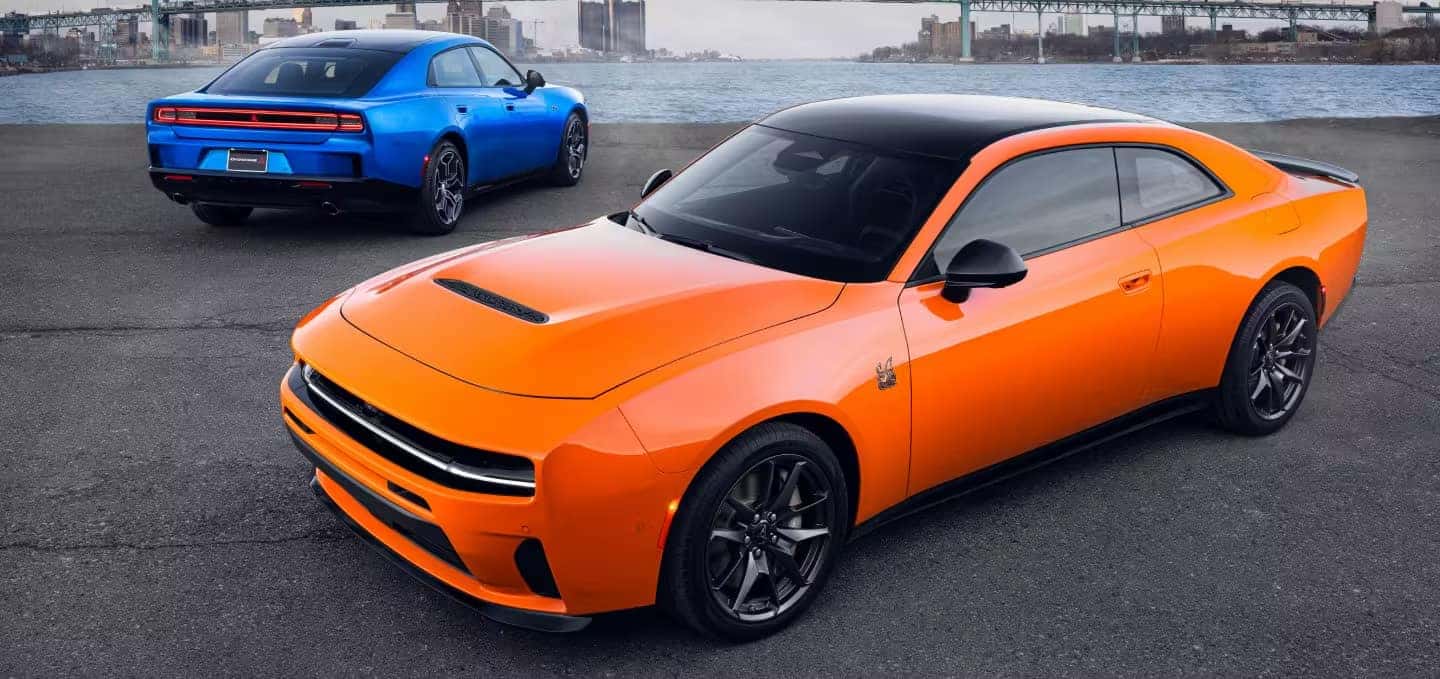
Charger has entered a new generation that combines familiar Dodge muscle-car design with multiple approaches to performance. Rather than relying on a single powertrain configuration, the modern Charger family gives drivers a choice between gasoline and fully electric performance.
Gas-powered Charger R/T and Scat Pack models use Dodge’s twin-turbocharged SIXPACK inline-six architecture, while Charger Daytona delivers battery-electric performance. Two-door and four-door configurations extend the Charger name across coupe-like and sedan-style body formats.
Modern Charger Highlights
- Gas-powered Charger R/T and Scat Pack models
- Twin-turbo SIXPACK inline-six performance
- All-electric Charger Daytona performance models
- Available two-door and four-door configurations
- All-wheel-drive capability across the modern Charger range
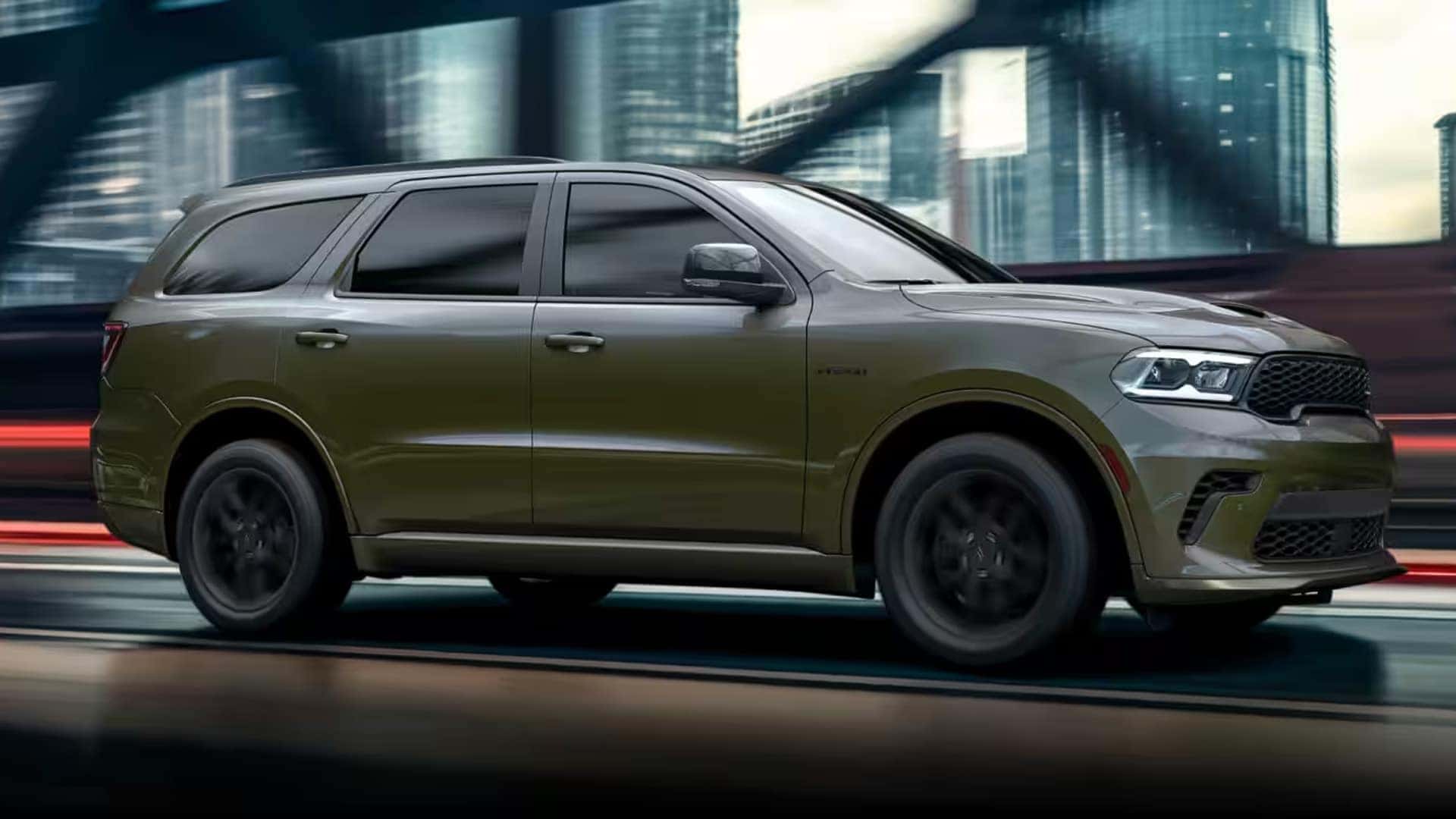
Dodge Performance Meets SUV Capability
Durango brings Dodge performance characteristics to a three-row SUV. Its lineup combines passenger and cargo flexibility with available towing capability and a range of engines designed to suit different levels of performance.
Current Durango offerings range from V6-powered configurations to available HEMI V8 models. At the upper end of the performance range, Durango SRT Hellcat combines three-row utility with supercharged V8 power.
Durango Highlights
- Three-row passenger seating
- Available V6 and HEMI V8 power
- Performance-oriented SRT models
- Available Durango SRT Hellcat
- Strong towing capability for a performance SUV
Shop Dodge Vehicles at Sid Dillon
Browse available Dodge vehicles at Sid Dillon Chrysler Dodge Jeep Ram in Crete. These inventory searches are not tied to a specific model year, helping them continue to surface matching vehicles as inventory changes.
Dodge Muscle & Performance
Dodge SUVs
Contact Sid Dillon Chrysler Dodge Jeep Ram
Have questions about a Dodge Charger, Durango, or another available Dodge vehicle? Contact Sid Dillon Chrysler Dodge Jeep Ram in Crete and let our team help you find the right Dodge.
Frequently Asked Questions
Who founded Dodge?
Dodge traces its history to brothers John and Horace Dodge, skilled machinists who became major automotive suppliers before beginning production of Dodge automobiles in 1914.
What are some of the most famous Dodge vehicles?
Famous Dodge nameplates include Charger, Challenger, Viper, Caravan, Coronet, Dart, and Durango. Charger remains a central part of the modern Dodge performance lineup.
Does Dodge still make the Challenger?
Production of the previous-generation Dodge Challenger concluded after the 2023 model year. Challenger remains an important part of Dodge muscle-car history, while the next-generation Charger carries Dodge performance into a new era.
What happened to the previous Dodge Charger?
Production of the previous-generation Charger concluded after the 2023 model year. Dodge has since introduced a new generation of Charger with gas-powered SIXPACK models and fully electric Charger Daytona models.
Is the new Dodge Charger gas or electric?
Both options are available within the modern Charger family. Gas-powered Charger models use twin-turbocharged SIXPACK inline-six engines, while Charger Daytona models use fully electric propulsion.
Is the Dodge Charger available with two doors or four doors?
The modern Dodge Charger lineup includes both two-door and four-door configurations, giving shoppers multiple body styles within the same performance family.
Does Dodge still offer a HEMI V8?
HEMI V8 power remains available in the Dodge Durango lineup. Modern Charger models use either twin-turbocharged SIXPACK inline-six engines or electric propulsion instead of the previous-generation Charger HEMI V8 powertrains.
What is the Dodge Charger Daytona?
Charger Daytona is the electric performance side of the modern Dodge Charger family. It combines battery-electric propulsion with Dodge muscle-car styling and performance technology.
Where can I shop for Dodge vehicles near Crete, Nebraska?
Sid Dillon Chrysler Dodge Jeep Ram in Crete offers Dodge vehicles and can help with available inventory, financing, trade-ins, vehicle questions, and scheduling a test drive.
