


How to Change Windshield Wipers
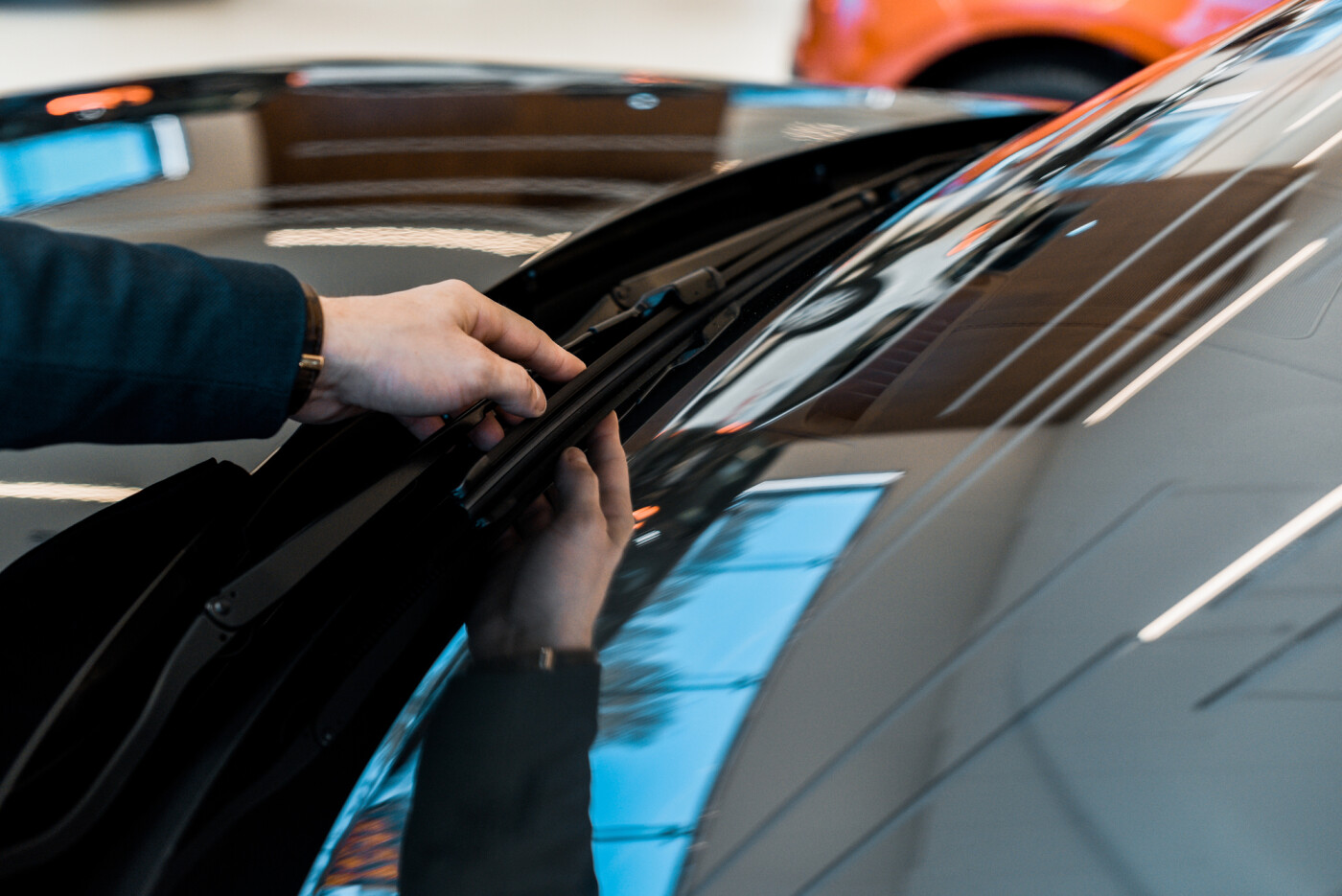
Changing windshield wipers involves removing the worn blades from the wiper arms, installing compatible replacements, and testing them to confirm they clear the windshield properly. Most drivers can replace their windshield wiper blades at home without specialized tools, although the exact process depends on the vehicle’s wiper arm design and blade attachment system. Windshield wipers help maintain visibility during rain, snow, and other conditions that can obstruct your view of the road. For Nebraska drivers, regular wiper maintenance is especially important during spring thunderstorms, winter precipitation, and changing seasonal conditions. At Sid Dillon, we can help you understand how to change windshield wipers, select the correct replacement blades, recognize signs of wear, and determine when professional assistance may be helpful.
How to Change Windshield Wiper Blades: Step-by-Step Instructions
To change windshield wiper blades, first confirm that the replacements fit your vehicle, then release the old blades, secure the new ones to the wiper arms, and test their operation. Many vehicles use a hook-style, push-button, or other locking connector that allows the blades to be replaced without tools. However, some vehicles require the wipers to be placed in a maintenance or service position before the arms can be lifted safely.
Before beginning, consult your owner’s manual for vehicle-specific instructions and make sure you have the correct replacement blades. Follow these general steps to replace windshield wipers on most cars, trucks, and SUVs:
- Prepare Your Vehicle and Windshield: Park on a level surface, turn off the vehicle, and make sure the windshield wipers are switched off. If your vehicle requires a designated wiper service position, follow the manufacturer’s instructions before lifting the arms. Clear away dirt, leaves, and other debris around the windshield and wiper blades.
- Lift the Wiper Arm Carefully: If the vehicle’s design allows it, gently raise the wiper arm away from the windshield. Hold the arm securely to prevent it from snapping back against the glass. Some vehicles have limited wiper arm clearance, so never force the arm upward if it does not move freely.
- Locate the Wiper Blade Release Mechanism: Examine the connection between the blade and wiper arm. Depending on the design, the blade may have a release tab, locking clip, push button, or other attachment mechanism. Follow the instructions for the specific connector rather than assuming every blade releases the same way.
- Remove the Old Wiper Blade: Press or disengage the release mechanism and carefully slide or detach the old blade. Avoid twisting or pulling excessively on the wiper arm. Keep control of the exposed arm throughout the process so it cannot strike the windshield.
- Install the New Wiper Blade: Align the replacement blade’s connector with the wiper arm and attach it according to the blade manufacturer’s instructions. Many designs lock into position with an audible click. Confirm that the blade is securely attached by gently checking the connection without applying excessive force.
- Lower the Wiper Arm and Repeat: Carefully return the wiper arm to its normal position against the windshield. Repeat the process for the other front wiper blade. If your vehicle has a rear windshield wiper, check its condition and follow the appropriate replacement instructions if needed.
- Test the New Windshield Wipers: If applicable, return the wipers from their service position, then activate the windshield washer system and operate the wipers. Check for smooth movement, proper windshield contact, and secure blade attachment. The blades should clear water without significant streaking, skipping, or unusual noise.
Windshield wiper replacement procedures vary by vehicle manufacturer, model year, and wiper system. Some vehicles use specialized connectors or concealed wiper arms that require additional preparation. If you encounter resistance, cannot identify the release mechanism, or are unsure how to position the wiper arms safely, consult your owner’s manual or contact a qualified service technician before proceeding.
How Do You Choose the Right Windshield Wiper Blades?
The correct windshield wiper blades must match your vehicle’s required blade lengths and wiper arm connection type. Windshield wipers are not universally interchangeable, and the driver-side, passenger-side, and rear blades may require different sizes or attachment designs. Selecting compatible blades helps ensure proper windshield coverage, secure installation, and reliable operation.
Consider these factors when choosing replacement windshield wiper blades:
- Vehicle Year, Make, and Model: Check your owner’s manual, manufacturer parts information, or a vehicle-specific parts catalog to identify compatible replacement blades. Blade specifications can vary between vehicle generations and configurations.
- Wiper Blade Length: Confirm the required length for each wiper position. Installing blades that are too long may cause interference, while blades that are too short can leave portions of the windshield uncleared.
- Wiper Arm Connection: Identify whether your vehicle uses a hook-style, push-button, pin-type, or another connector design. Some aftermarket blades include interchangeable adapters, but compatibility should be verified before installation.
- Blade Construction: Conventional frame-style blades use a supporting structure to distribute pressure across the windshield. Beam-style blades use a flexible design intended to maintain contact with the glass. Hybrid blades combine design elements of conventional and beam-style wipers. Performance varies by product and vehicle.
- Weather and Driving Conditions: Nebraska drivers regularly encounter rain, snow, ice, road salt, and seasonal temperature changes. Replacement blades designed for challenging weather conditions may be worth considering, provided they are compatible with your vehicle.
When selecting replacement blades, prioritize vehicle compatibility and manufacturer recommendations over appearance or blade style alone. If you are unsure which windshield wipers fit your vehicle, the team at Sid Dillon can help identify suitable replacement options through our parts department.
How Often Should You Change Your Windshield Wipers?
Windshield wiper blades should generally be replaced every 6 to 12 months, or sooner if they show signs of deterioration or no longer clear the glass effectively. Actual replacement intervals depend on blade materials, weather exposure, frequency of use, windshield condition, and manufacturer recommendations. Regular inspections are important because wiper blades may wear out before reaching the typical replacement interval.
Common signs that your windshield wiper blades need replacement include:
- Streaking or Smearing: The blades leave visible lines, water trails, or unevenly cleared areas on the windshield, even after the glass and blade edges have been cleaned.
- Squeaking or Chattering: The wipers make unusual noises or move unevenly across a wet windshield. Worn rubber, contamination, or improper blade contact may contribute to these problems.
- Cracked or Split Rubber: The wiping edge shows visible cracks, tears, separation, or other signs of deterioration.
- Skipping or Uneven Contact: The blade fails to maintain consistent contact with the windshield, leaving sections of water or moisture behind.
- Reduced Visibility During Rain or Snow: The wipers cannot adequately clear precipitation, making it more difficult to see traffic, road markings, and surrounding conditions.
- Damaged Blade Components: The blade frame, connector, or other structural components show visible damage or corrosion that could affect operation.
Inspecting windshield wipers during routine vehicle maintenance can help identify wear before visibility becomes a concern. If the blades appear intact but leave streaks, cleaning the windshield and rubber wiping edges may improve performance. If streaking, skipping, or reduced visibility continues after cleaning, replacement may be necessary.
How Can You Maintain Windshield Wipers During Nebraska Weather?
Proper windshield wiper maintenance helps reduce premature blade wear and supports clear visibility during Nebraska’s changing weather conditions. Freezing temperatures, accumulated snow, road salt, dust, and summer heat can affect the rubber wiping edges and the way the blades contact the windshield.
These maintenance practices can help protect your wiper blades:
- Clean the Windshield Regularly: Remove dirt, road grime, insects, and other contaminants that can interfere with wiper performance. A clean windshield helps the blades move smoothly across the glass.
- Clean the Wiper Blade Edges: Gently wipe the rubber edges with a soft, damp cloth to remove accumulated debris. Follow the blade manufacturer’s cleaning recommendations and avoid harsh chemicals that could damage the rubber.
- Remove Ice and Snow Before Operating the Wipers: Use an appropriate ice scraper and the vehicle’s defroster to clear frozen buildup. Do not activate wipers that are frozen to the windshield, as this can damage the blades or wiper mechanism.
- Avoid Running Wipers on Dry or Dirty Glass: Use the windshield washer system when appropriate to lubricate the glass and help remove light debris. Operating wipers repeatedly on a dry, abrasive surface can contribute to unnecessary wear.
- Check Windshield Washer Fluid: Maintain an adequate supply of washer fluid appropriate for seasonal temperatures. During Nebraska winters, use fluid with a freeze protection rating suitable for expected conditions.
- Inspect Wipers Before Seasonal Weather Changes: Check blade condition before periods of frequent spring rain and before winter snow and freezing temperatures arrive.
Wiper blades are only one part of the windshield cleaning system. If new blades continue to streak, chatter, or leave large sections of glass uncleared, the problem may involve windshield contamination, a damaged wiper arm, or another mechanical concern. A professional inspection can help identify the cause rather than repeatedly replacing blades that are functioning properly.
Get Windshield Wiper Replacement Assistance at Sid Dillon
Sid Dillon can help drivers identify compatible windshield wiper blades, inspect worn components, and arrange professional replacement when needed. While changing wiper blades is a manageable maintenance task for many vehicle owners, some attachment systems or wiper arm designs require additional care to avoid damage.
Our service team can inspect your existing wiper blades, check for visible wear, and help determine whether replacement or additional maintenance is appropriate. Drivers throughout Lincoln, Omaha, Fremont, Wahoo, and surrounding Nebraska communities can visit one of our service centers for assistance with windshield wipers and other routine vehicle maintenance needs.
Before visiting, have your vehicle’s year, make, and model available so our team can help confirm the appropriate replacement parts. For additional questions about windshield wiper installation, blade compatibility, or service availability, contact our service team.
Frequently Asked Questions About Changing Windshield Wipers
Can you change windshield wiper blades yourself?
Yes, most drivers can change windshield wiper blades themselves using compatible replacement blades and the appropriate installation instructions. Many wiper systems use a release tab, clip, or locking connector that does not require specialized tools. However, some vehicles require a specific wiper service position or connector adapter. Always consult your owner’s manual before removing the blades, and avoid forcing the wiper arms or connectors if they do not release easily.
Do all windshield wiper blades fit every car?
No, windshield wiper blades are not universally compatible with every vehicle. Replacement blades must match the required length and connector type for your vehicle’s year, make, and model. The driver-side and passenger-side wipers may use different lengths, and rear wipers can require specialized designs. Check your owner’s manual or a vehicle-specific parts catalog before purchasing replacement blades. Sid Dillon’s parts department can help identify compatible options.
Should you replace both windshield wiper blades at the same time?
Replacing both front windshield wiper blades at the same time is generally recommended because they are exposed to similar weather conditions and often experience comparable wear. Replacing the pair can help maintain consistent wiping performance across the windshield. However, if only one blade is damaged and the other remains in good condition, individual replacement may be appropriate. Inspect both blades before deciding, and check the rear wiper separately if your vehicle has one.
How do you know what size windshield wipers your car needs?
You can determine the correct windshield wiper size by checking your vehicle’s owner’s manual, manufacturer parts information, or a reputable vehicle-specific fitment guide. Wiper blade lengths can differ between the driver-side and passenger-side positions, and rear blades may require another size. Avoid choosing replacements based only on the length of the old blades because previously installed blades may not be the correct size. Verify both the blade length and attachment type before installation.
Why are my new windshield wipers still streaking?
New windshield wipers may streak because of a dirty windshield, incorrect blade installation, an incompatible blade size, or uneven contact between the blade and glass. Road grime, wax residue, and other contaminants can also interfere with wiping performance. Start by cleaning the windshield and checking that the replacement blades are securely installed. If streaking continues, inspect the wiper arms and blade connections or have a technician evaluate the wiper system for potential problems.
How often should you replace windshield wipers in Nebraska?
Nebraska drivers should generally inspect their windshield wipers regularly and plan for replacement approximately every 6 to 12 months, depending on blade condition and manufacturer recommendations. Winter ice, road salt, summer heat, and frequent exposure to precipitation can contribute to wear. Replace the blades sooner if they develop cracks, leave persistent streaks, skip across the windshield, or reduce visibility. Checking your wipers before winter and spring storm seasons can help identify problems before severe weather arrives.
Have a Question? Ask Our Experts Anything!
More From Sid Dillon
November Chevy Lease Specials
November Chevrolet Lease Specials: Find Your Next Chevy at Sid Dillon Take on the season with confidence and discover November Chevrolet lease specials at Sid Dillon. Nebraska drivers can explore limited-time offers on four featured vehicles, including the versatile 2027 Equinox LT AWD, dependable 2026 Silverado 1500 LT 4WD, premium Silverado 1500 LTZ 4WD, and…
November Ford of Wahoo Lease Specials
November Ford Deals on SUVs and Trucks in Wahoo, NE Discover November savings on four new 2026 Ford vehicles at Sid Dillon Ford of Wahoo. This month’s featured offers include the trail-ready Ford Bronco Big Bend 4×4, versatile Bronco Sport Big Bend, family-friendly Explorer Active 4WD, and hardworking F-150 XLT 4×4. Each model offers distinctive…
November Buick of Lincoln Lease Specials
November Buick Lease Specials in Lincoln, NE Discover refined design, thoughtful versatility, and exceptional value with November Buick lease and purchase offers at Sid Dillon Buick of Lincoln. This month’s featured SUVs include the spacious 2027 Buick Enclave Preferred FWD and the stylish 2026 Buick Envista Preferred FWD. The Enclave delivers three rows of seating,…
