


Starting Your Car In The Cold
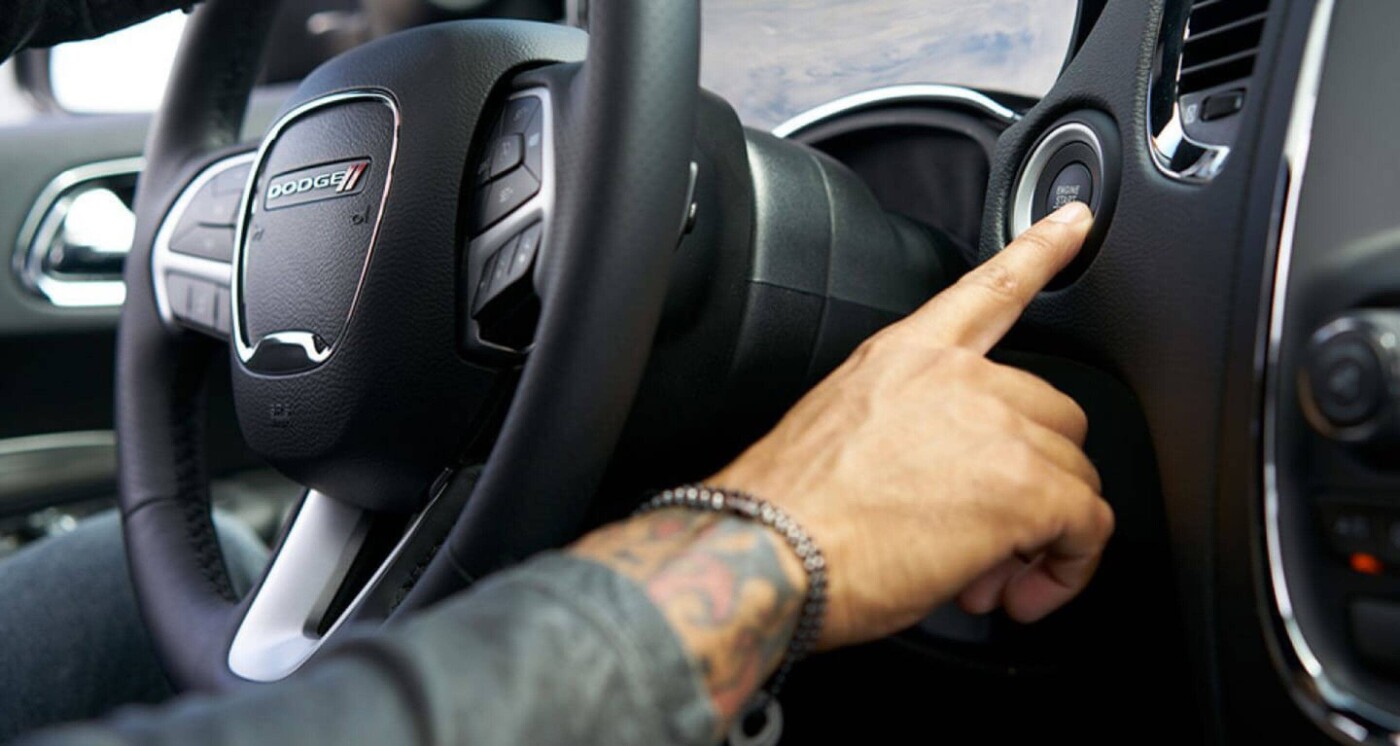
When temperatures drop, many drivers experience the frustration of trying to start their vehicle first thing in the morning, only to find it won’t start in the cold. Winter weather puts extra strain on your engine, battery, and fuel system, making even a well-maintained vehicle more vulnerable. Sid Dillon will explain what a cold start is and, if you’re a DIY enthusiast, how to perform a cold-start car jump.
Why Won’t My Car Start When It’s Cold?
Sometimes, your car won’t start when it’s cold but will when it’s warm, and this could just be the result of the colder temperature affecting your vehicle. However, it could also indicate a problem with your vehicle that may need to be serviced. Here are some common reasons why your car won’t start when it’s cold:
- Battery Output: Car batteries produce less electrical current when it’s cold compared to when it’s warm, so they sometimes aren’t as efficient in the cold.
- Engine Oil: Engine oil becomes thicker in the cold, meaning that it doesn’t flow through the engine as efficiently as when it’s warm, and this can cause the battery to work harder than normal, which puts strain on the battery.
- Fuel Line: If there’s moisture in the fuel lines, then they can freeze and cause a fuel line blockage, preventing fuel from flowing to the engine as efficiently. If you drive a diesel vehicle, then it’s important to remember that diesel can gel in the cold, taking longer to get to the engine.
- Carburetor: Because of their small nozzles, carburetors can become clogged and prevent any moisture from evaporating. This should only apply to drivers with older cars, but it’s something to keep in mind.
How To Start Your Car In The Cold
Now that you know some of the reasons why your car won’t start in the cold, let’s go over some of the solutions to start up your car and get you back on the road. Here are some solutions to start your engine back up:
- Turn off all electrical systems and everything, and wait a few minutes before starting up your car, since these systems use up battery power.
- Dip the clutch when starting your ignition. This allows the battery to work less, giving you a better chance of starting your car.
- Locate your battery, and take a look at the cables to make sure that they are clean of corrosion. Consult your owner’s manual for battery and cable locations.
- Check to see if your engine is low on oil, and top off your engine with a little bit of oil if it’s low.
Performing A Cold-Start Car Jump
If your car isn’t starting in the cold, then you may need to perform a cold start. What is a cold start? A cold start is just like a regular jump-start that’s performed on a car during colder temperatures. Here’s how to perform a cold-start car jump:
- Make sure that you have jumper cables and a working car.
- Turn off both cars and make sure that they’re parked.
- Attach one of the red jumper cables to the positive terminal of the good battery.
- Attach the other red jumper cable to the battery of the car that won’t start.
- Attach the black jumper cable to the negative terminal on the good battery.
- Attach the remaining black cable to an unpainted metal surface on your vehicle.
Once you have everything hooked up, start the car up with the good battery. Shut it off after a few minutes, and start your car. Once your car has started, remove the cables in the reverse order you put them on the cars and wait about 10-15 minutes before turning off your car to ensure that your battery is charged up. For jumper cables or other parts to start up your engine, visit one of our parts centers.
Schedule Service Today At Sid Dillon
If your car won’t start in the cold more often than not, you may need a more thorough inspection. Our certified technicians can answer why your car won’t start in the cold by checking your battery health, ignition system, fuel delivery components, and winter-grade fluids. Schedule an appointment online and make sure your vehicle is ready for the cold-weather challenges ahead. In the meantime, browse more service tips and tricks.
More from Sid Dillon
2026 Ford Ranger Towing & Hauling Overview
2026 Ford Ranger Towing and Hauling Overview The 2026 Ford Ranger combines midsize pickup versatility with the capability to handle trailers, equipment, and cargo. Properly equipped Ranger XL, XLT, and Lariat models can tow up to 7,500 pounds, while the Ranger Raptor offers a maximum available towing capacity of 5,510 pounds. Maximum available payload reaches…
2026 Ford Ranger Trims Guide
2026 Ford Ranger Trim Level Overview The 2026 Ford Ranger lineup offers four trims with different combinations of everyday capability, comfort, technology, and off-road performance. XL, XLT, and Lariat come standard with a 2.3-liter EcoBoost engine, while XLT and Lariat offer an available 2.7-liter EcoBoost V6 for added power. Ranger Raptor takes performance further with…
2026 Ford Mustang Trims Guide
2026 Ford Mustang Trim Level Overview The 2026 Ford Mustang lineup offers a range of performance-focused models with Fastback and Convertible body styles available on select trims. EcoBoost models feature a turbocharged 2.3-liter EcoBoost engine, while GT models bring the character of a 5.0-liter V8. Dark Horse models add more track-focused performance, and the Dark…
