


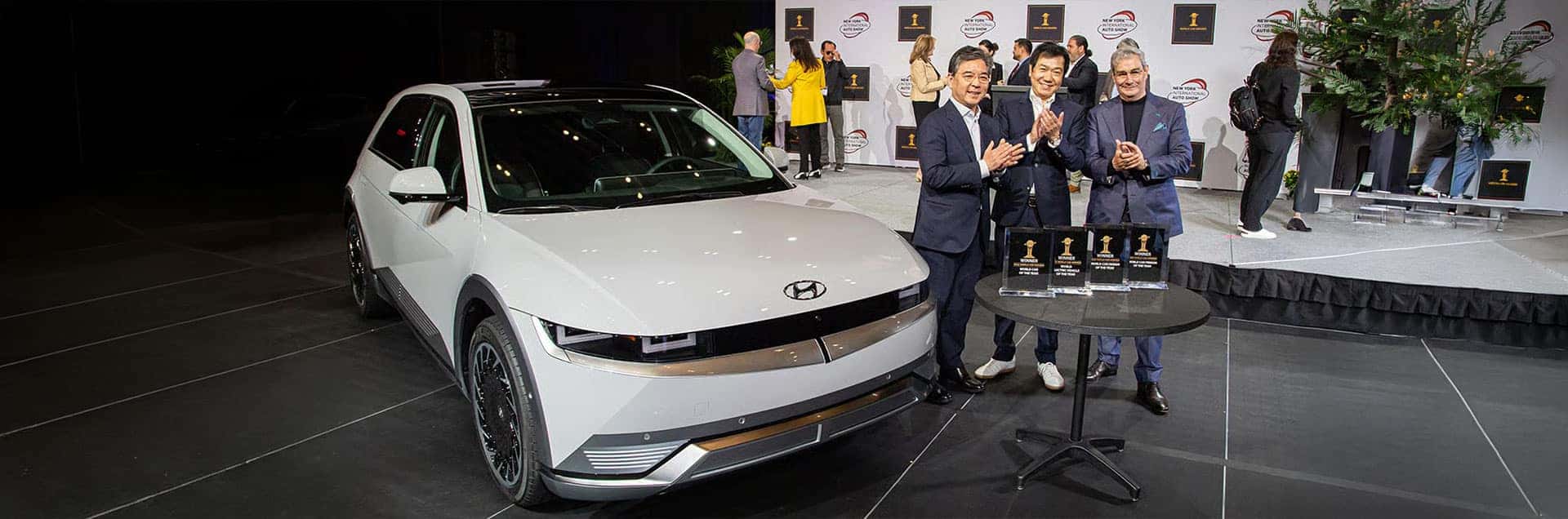
Explore Hyundai History, Vehicles & Innovation
Hyundai Motor Company has grown from a young South Korean automaker into a global mobility brand with vehicles spanning sedans, SUVs, pickups, hybrids, electric vehicles, and high-performance models.
Explore Hyundai’s history from its founding and the development of the Pony to its expansion into the United States, modern SUV growth, N performance vehicles, hybrid technology, the IONIQ electric family, and available Hyundai inventory at Sid Dillon Hyundai in Fremont.

The Origins of Hyundai Motor Company
Hyundai Motor Company was established in 1967 as part of the broader Hyundai business organization created by entrepreneur Chung Ju-Yung. His earlier ventures in construction and industry helped establish the foundation from which Hyundai would eventually enter automobile manufacturing.
Hyundai’s early automotive work included assembling vehicles in cooperation with established manufacturers while the company developed the engineering, manufacturing, and design expertise required to build vehicles of its own.
Early Hyundai Highlights
- Hyundai Motor Company established in 1967
- Founded under the leadership of Chung Ju-Yung
- Early production included vehicles assembled through international partnerships
- Hyundai quickly invested in independent automotive development
The Hyundai Pony and Independent Vehicle Development
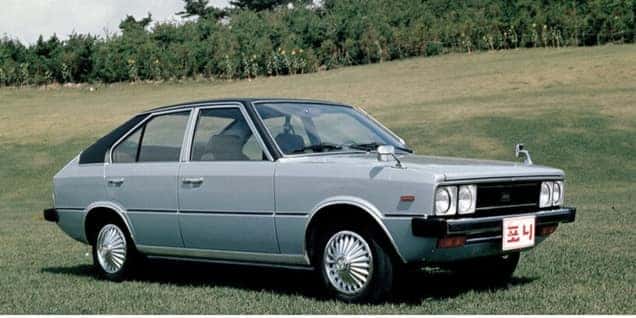
The Hyundai Pony represented a major milestone in South Korea’s automotive industry. Developed as Hyundai’s first independently created mass-production vehicle, the Pony helped demonstrate that the company could move beyond assembling automobiles designed by other manufacturers.
Introduced during the mid-1970s, the Pony became an important vehicle both domestically and internationally. Hyundai later expanded the Pony family with pickup, wagon, and hatchback configurations as it developed a broader vehicle range.
Pony Highlights
- Pony became Hyundai’s first independently developed mass-production model
- Introduced during the mid-1970s
- Multiple body styles expanded the Pony family
- The model helped establish Hyundai as an independent automaker
From Value Brand to Global Automotive Leader
Hyundai’s international growth was accompanied by major improvements in vehicle engineering, design, quality, safety, and technology. The company expanded manufacturing and research operations around the world while developing increasingly sophisticated vehicles for different regional markets.
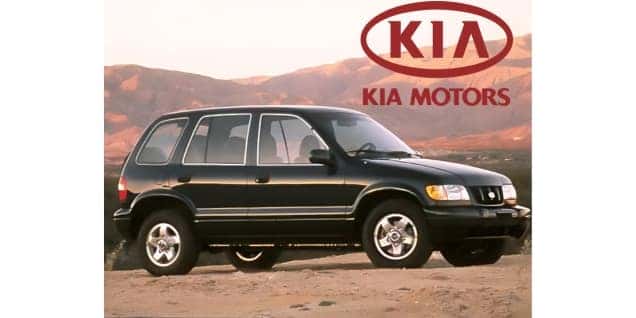
Hyundai Motor Group also broadened its automotive portfolio through its relationship with Kia and the creation of Genesis as a standalone luxury brand. Hyundai itself continued evolving with distinctive design, connected vehicle technology, performance models, SUVs, hybrids, and electric vehicles.
Global Development Highlights
- Expanded manufacturing across multiple global markets
- Growing emphasis on vehicle quality and design
- Hyundai Motor Group expanded through Kia and Genesis
- Research and development became increasingly global
- Hyundai surpassed 100 million vehicles produced globally

The Growth of Hyundai SUVs and Crossovers
SUVs have become a major part of Hyundai’s modern identity. The lineup now spans smaller urban crossovers, family SUVs, three-row vehicles, adventure-oriented trims, and electrified models.
Kona and Tucson serve customers looking for smaller SUV formats, while Santa Fe and Palisade provide additional passenger and cargo space. Hyundai also offers Santa Cruz, which combines elements of a crossover and pickup with an open cargo bed.
Hyundai Utility Vehicles
- Kona: Small SUV designed for urban versatility
- Tucson: Compact SUV with conventional and hybrid options
- Santa Fe: Family-focused SUV with available hybrid technology
- Palisade: Three-row SUV emphasizing passenger space and comfort
- Santa Cruz: Sport Adventure Vehicle combining cabin comfort with an open bed
Hyundai N and Performance Engineering
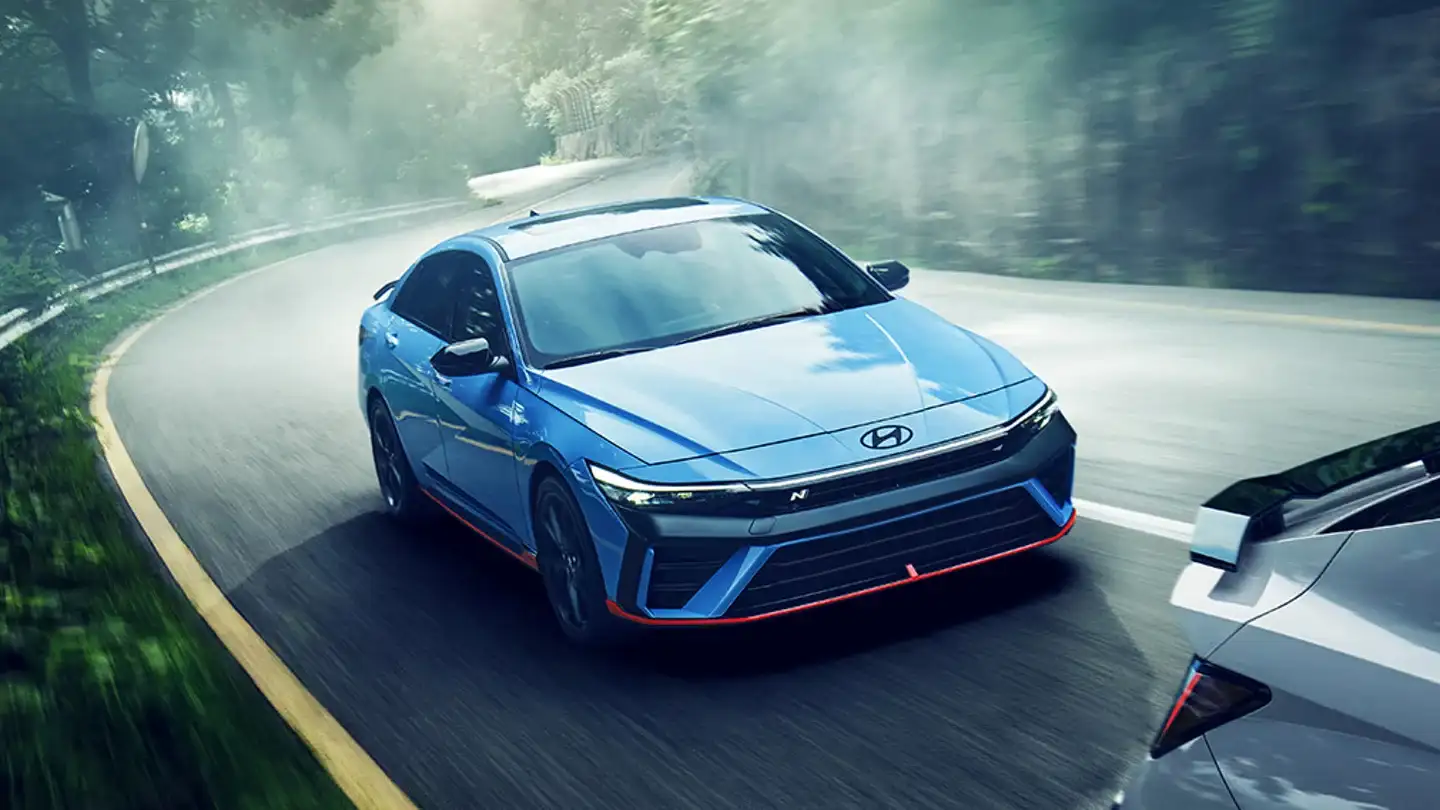
Hyundai’s N division gives the brand a dedicated performance identity. Rather than focusing only on straight-line acceleration, N vehicles are developed around handling, driver engagement, braking, chassis tuning, and repeatable performance.
The performance philosophy has expanded across gasoline and electric vehicles, demonstrating that Hyundai sees enthusiast driving as compatible with multiple forms of propulsion.
Hyundai Performance Highlights
- N vehicles emphasize driver engagement and chassis development
- Elantra N brings performance engineering to Hyundai’s compact sedan
- IONIQ 5 N applies the N philosophy to an electric vehicle
- Motorsports and track development influence production vehicles
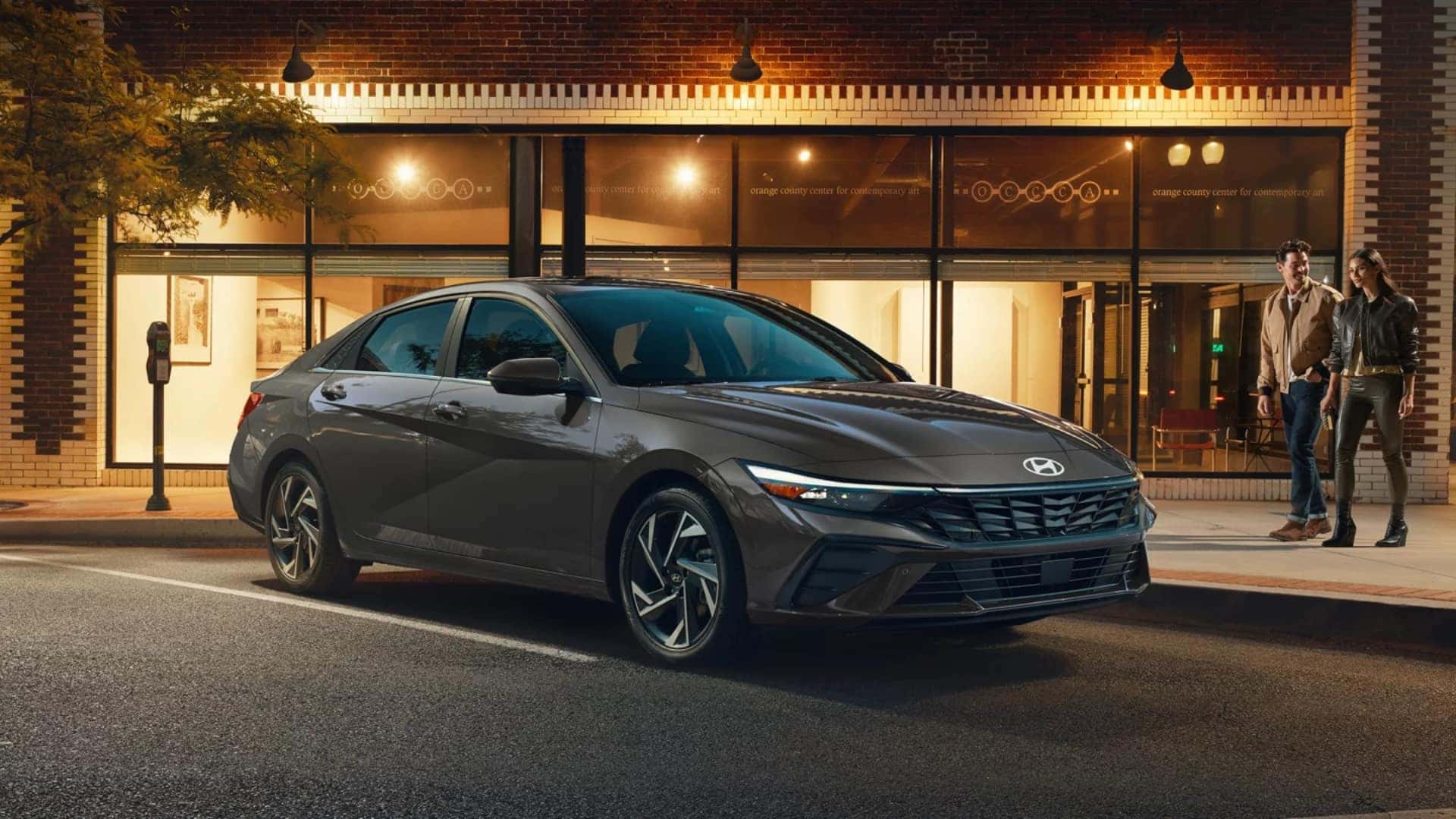
Hyundai Hybrid Technology
Hyundai offers hybrid technology across several vehicle categories rather than limiting electrification to a single model family. This allows customers to choose electrified powertrains in both sedans and SUVs while retaining conventional fueling and familiar driving patterns.
Hybrid options are available across models such as Elantra, Sonata, Tucson, Santa Fe, and Palisade. This broad approach gives Hyundai customers several ways to reduce fuel use without moving directly to a fully electric vehicle.
Hybrid Hyundai Models
- Elantra Hybrid
- Sonata Hybrid
- Tucson Hybrid
- Santa Fe Hybrid
- Palisade Hybrid
IONIQ and Hyundai Electric Vehicles
Hyundai’s electric vehicle strategy has developed into a dedicated family of battery-electric models. The IONIQ name has evolved from an individual vehicle into a recognizable electric sub-brand focused on distinctive design, efficient packaging, advanced charging technology, and new approaches to interior space.
IONIQ 5 provides crossover versatility, IONIQ 6 takes a streamlined sedan approach, and IONIQ 9 expands Hyundai’s electric lineup into the three-row SUV segment. Hyundai also continues exploring hydrogen fuel-cell technology as another form of zero-tailpipe-emission propulsion.
Hyundai Electric Highlights
- IONIQ 5: Electric crossover built around Hyundai’s dedicated EV architecture
- IONIQ 6: Streamlined electric sedan focused on efficiency and design
- IONIQ 9: Three-row electric SUV expanding the IONIQ family
- IONIQ 5 N: High-performance electric vehicle developed by Hyundai N
- Hyundai continues research and development involving hydrogen fuel cells

Shop Hyundai Vehicles at Sid Dillon
Browse available Hyundai vehicles at Sid Dillon Hyundai in Fremont by model.
All Hyundai Vehicles
Contact Sid Dillon Hyundai
Have questions about a Hyundai car, SUV, hybrid, electric vehicle, or performance model? Contact Sid Dillon Hyundai in Fremont and let our team help you find the right Hyundai.
Frequently Asked Questions
When was Hyundai Motor Company founded?
Hyundai Motor Company was established in 1967. Its founder, Chung Ju-Yung, had already built successful businesses in construction and other industries before expanding into automobile manufacturing.
What was the Hyundai Pony?
The Hyundai Pony was Hyundai’s first independently developed mass-production vehicle. It became an important milestone in both Hyundai history and the development of South Korea’s automotive industry.
When did Hyundai enter the U.S. market?
Hyundai entered the U.S. passenger-vehicle market in 1986 with the Excel. The company has since expanded significantly with a broad vehicle lineup, U.S. engineering and design operations, manufacturing, dealerships, and parts distribution.
What cars does Hyundai offer?
Hyundai’s passenger-car lineup includes models such as Elantra and Sonata, along with hybrid and high-performance versions of select vehicles.
What SUVs does Hyundai offer?
Hyundai’s SUV and crossover lineup includes Kona, Tucson, Santa Fe, Palisade, and electric models in the IONIQ family. Santa Cruz offers another utility-focused option with an open cargo bed.
Does Hyundai offer hybrid vehicles?
Yes. Hyundai offers hybrid technology across several sedans and SUVs, including Elantra, Sonata, Tucson, Santa Fe, and Palisade.
What electric vehicles does Hyundai offer?
Hyundai’s electric vehicle family includes IONIQ 5, IONIQ 6, and the three-row IONIQ 9. The performance-focused IONIQ 5 N also applies Hyundai N engineering to an electric vehicle.
What is Hyundai N?
Hyundai N is the brand’s high-performance division. N vehicles receive specialized development focused on handling, chassis performance, braking, driver engagement, and track-capable performance.
Is Genesis part of Hyundai?
Genesis is the luxury vehicle brand of Hyundai Motor Company. It became a standalone luxury marque in 2015 with its own vehicles, design identity, retail experience, and product strategy.
Where can I shop for Hyundai vehicles near Fremont, Nebraska?
Sid Dillon Hyundai in Fremont offers Hyundai vehicles and can help with current inventory, financing, trade-ins, vehicle questions, and scheduling a test drive.
