


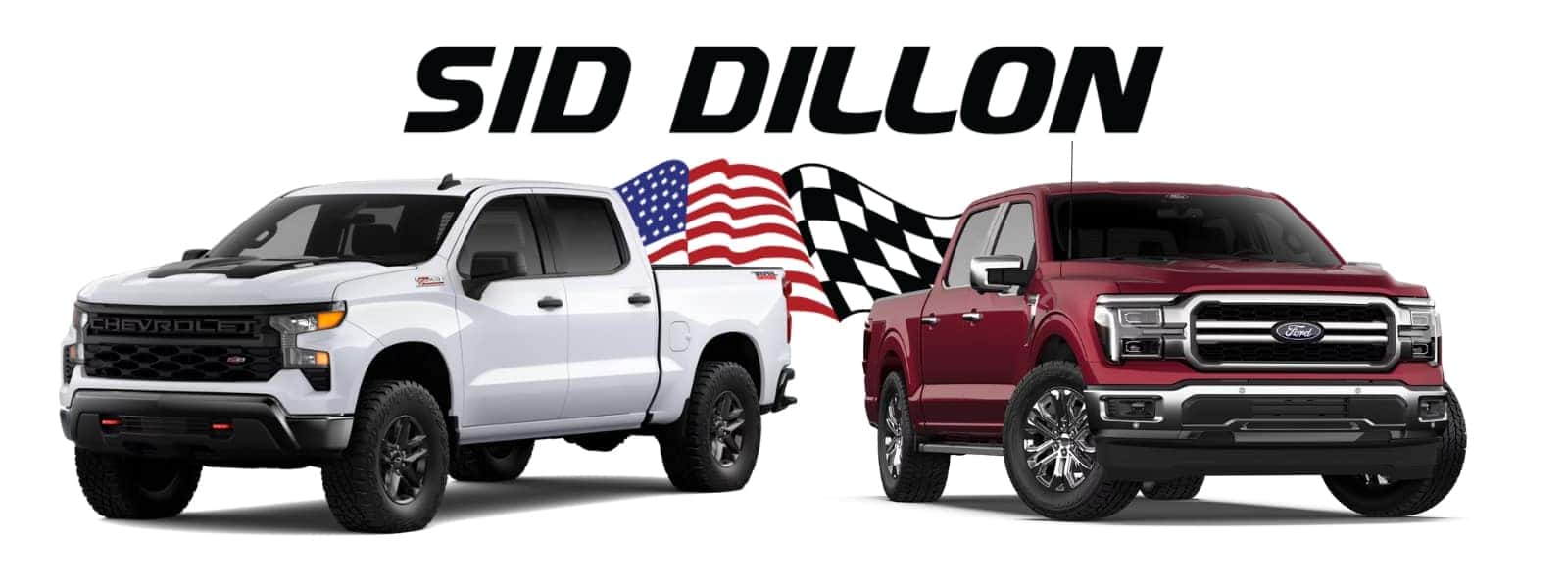
2026 Ford F-150 vs 2026 Chevy Silverado 1500
Compare two of the most popular full-size trucks side by side. This guide highlights towing and payload capability,
engine options, technology, interior comfort, and trim strategy—so you can narrow down the right truck for work and weekends.
Want deeper model detail? Use the CTAs below to explore each truck’s research guide or browse inventory.
You can also
schedule a test drive
or connect with a Sid Dillon specialist.
At a Glance
Use this overview to spot the big differences, then review performance (engines/output), towing/payload,
tech, and trims. Final specs vary by trim and configuration.
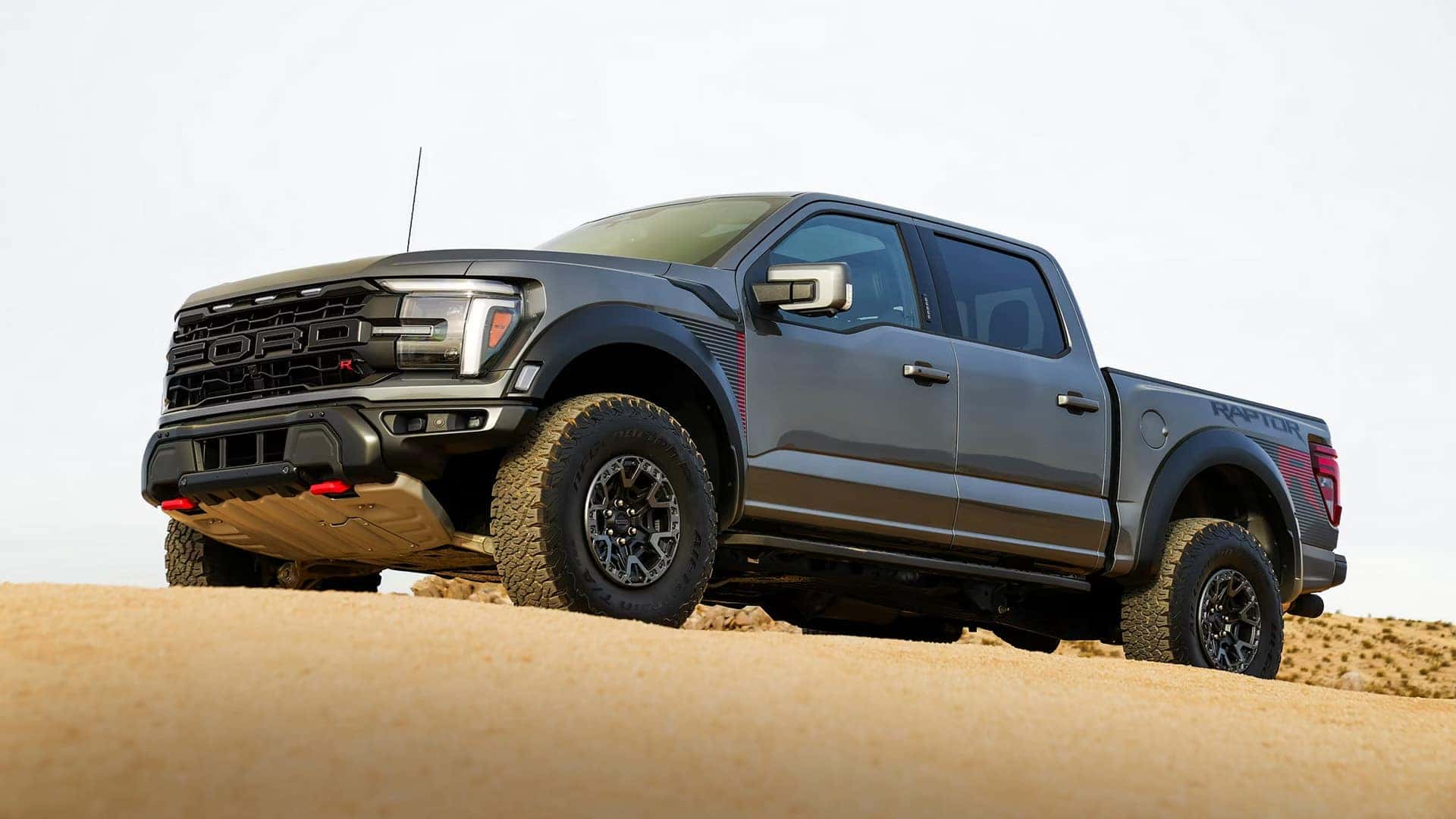
2026 Ford F-150
- Six-engine lineup including EcoBoost, V8, and available PowerBoost hybrid
- Max available towing up to 13,500 lbs when properly equipped
- Max available payload up to 2,440 lbs depending on configuration
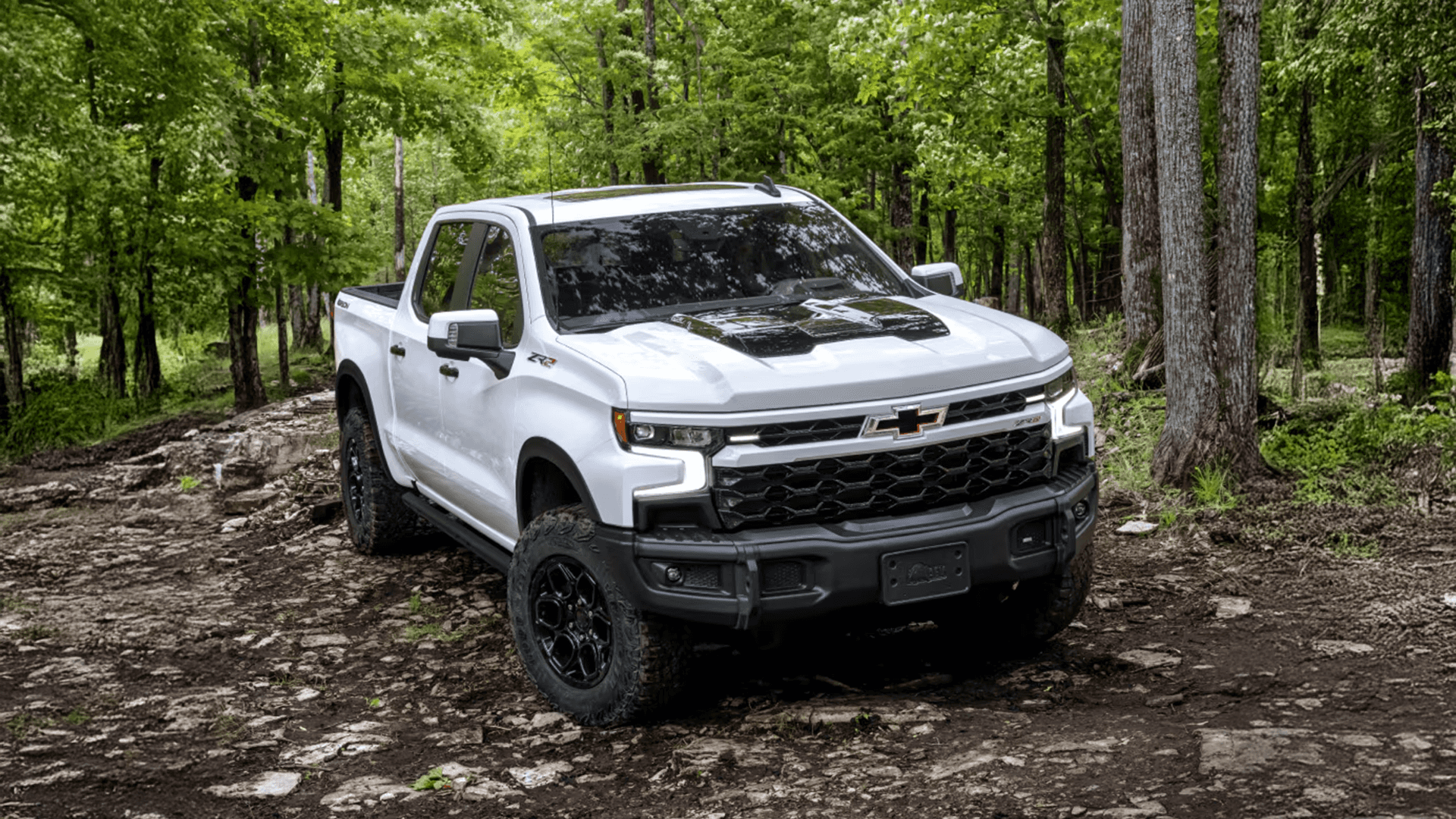
2026 Chevy Silverado 1500
- Four engine choices including TurboMax, V8 options, and available Duramax diesel
- Max available trailering up to 13,300 lbs when properly equipped
- Max available payload up to 2,260 lbs (config dependent)
Capability figures shown are manufacturer-reported maximums and vary by trim and configuration. Confirm the exact vehicle ratings before purchase.
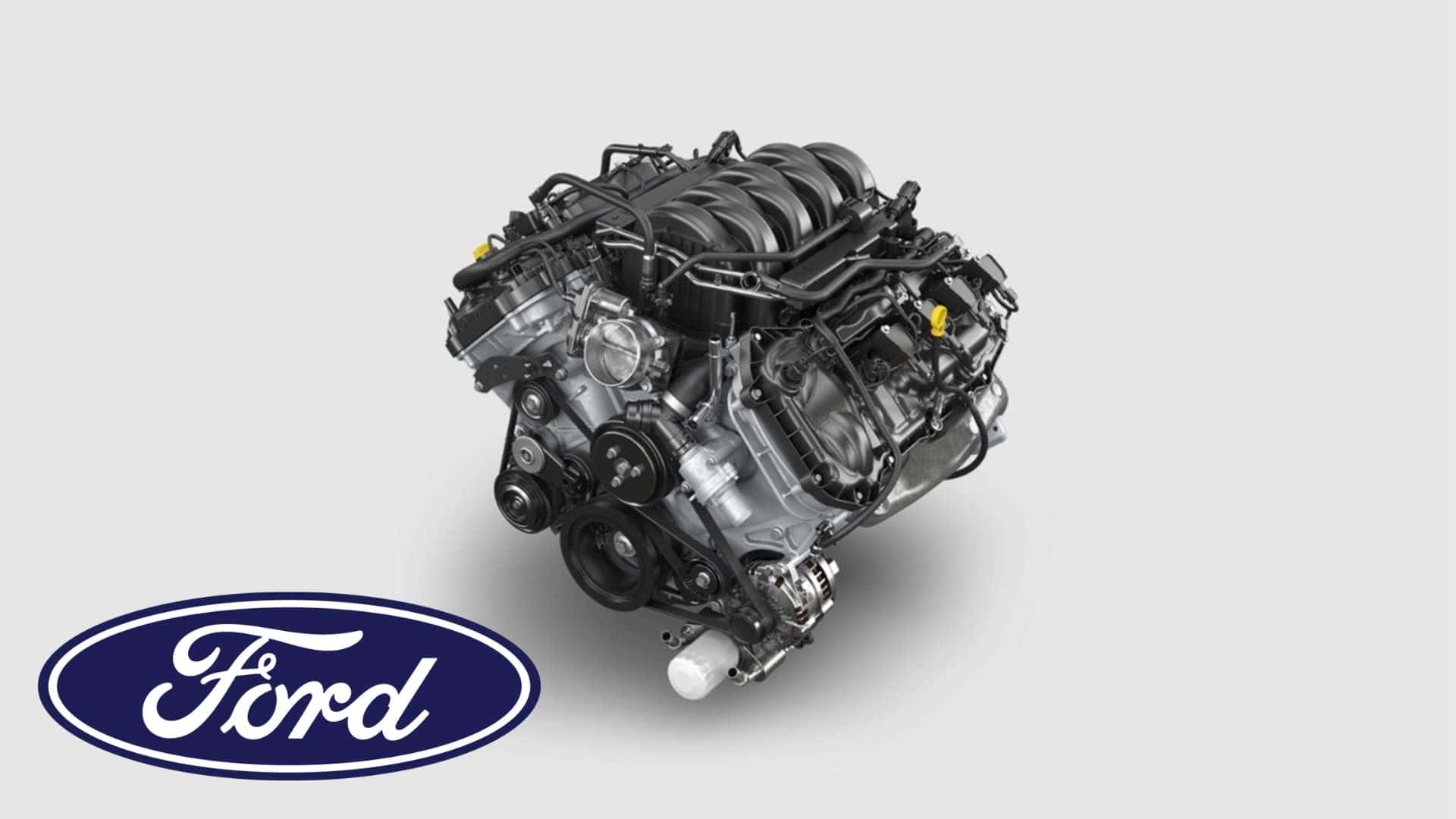
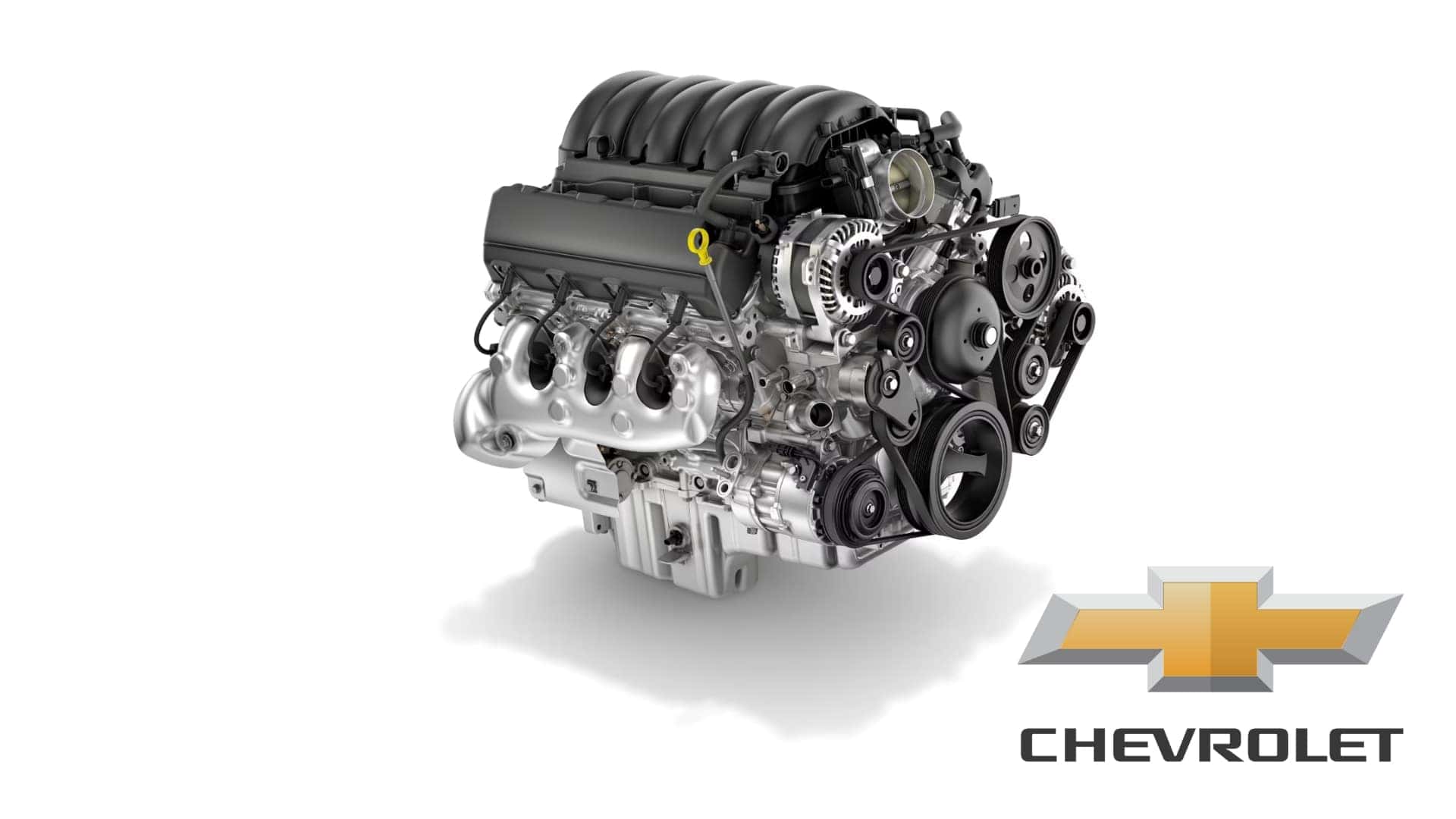
Engines and Output
Both trucks offer multiple powertrains designed to cover everything from daily commuting and jobsite duty to heavy trailering and off-road use.
The “best” engine depends on how you drive most often—stop-and-go miles, highway cruising, hauling, or weekend towing—and which trim level you’re shopping.
If you want a strong all-around setup, look at the engines that balance torque and responsiveness for everyday acceleration. For towing-focused builds,
pay attention to peak torque, where it arrives in the RPM range, and which transmission/axle combinations are available. Final ratings, availability,
and equipment packages vary by trim and configuration, so we can help you confirm the exact engine on any truck in stock.
| Category | 2026 Ford F-150 | 2026 Chevy Silverado 1500 |
|---|---|---|
| Engine lineup overview | Six options including EcoBoost V6, 5.0L V8, and available PowerBoost hybrid | Four options including TurboMax, V8 options, and available Duramax 3.0L diesel |
| Standard / entry highlight | 2.7L EcoBoost V6: 325 hp / 400 lb-ft | TurboMax 2.7L: 310 hp / 430 lb-ft |
| High-output option (notable) | PowerBoost hybrid: 420 hp / 570 lb-ft | 6.2L V8: 420 hp / 460 lb-ft |
| High-torque efficiency option | PowerBoost hybrid: 570 lb-ft (config dependent) | Duramax 3.0L: 305 hp / 495 lb-ft (availability varies) |
| Tow-friendly gas option (common pick) | 3.5L EcoBoost: 382 hp / 500 lb-ft | TurboMax: 310 hp / 430 lb-ft (broad trim availability) |
| Transmission notes | Ford notes F-150 engines are paired with a 10-speed automatic | TurboMax uses an 8-speed; other listed engines show a 10-speed on Chevy’s model page |
Specs shown are commonly listed outputs for notable engines and can vary by trim/configuration. Confirm the exact vehicle’s ratings before purchase.
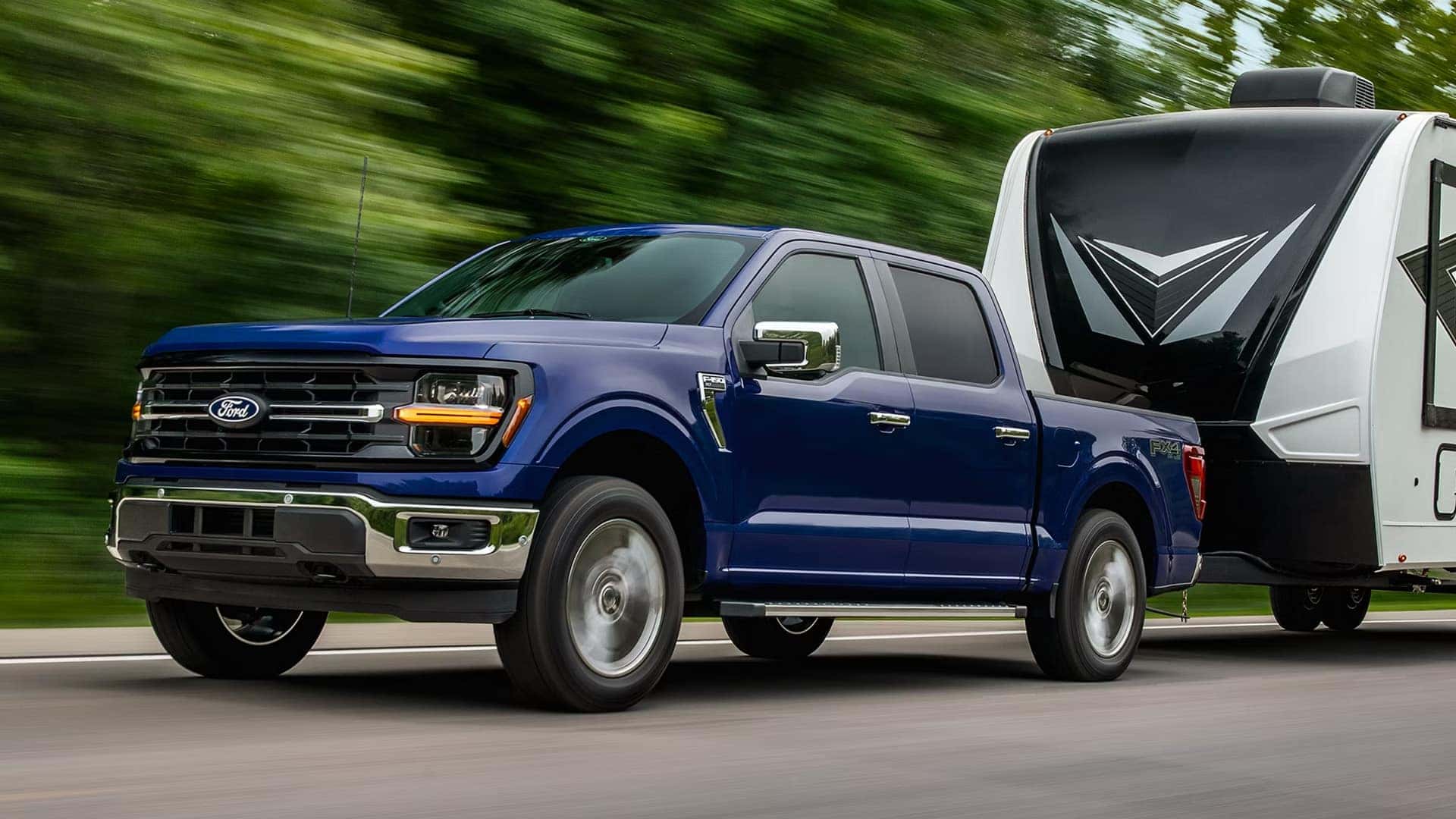
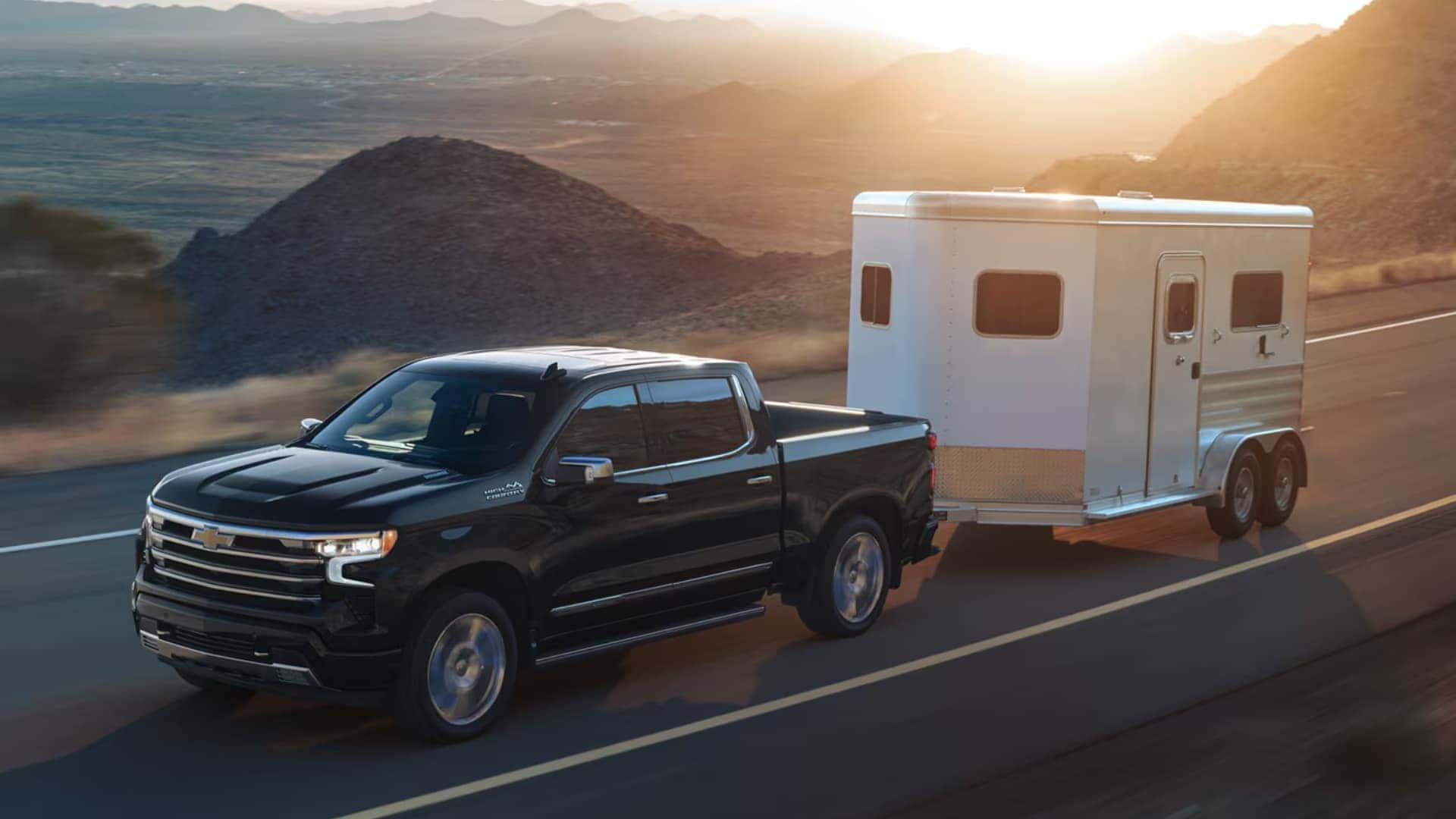
Towing and Payload
The headline numbers are close, but the right truck comes down to your configuration—engine choice, drivetrain,
cab/bed length, axle ratio, and which towing package is installed. If you tow often, it’s worth comparing not only
max towing, but also how the truck behaves under load, how the trailer guidance tech is equipped, and how much payload
you can carry at the same time.
Payload matters for real-world use because it includes passengers, cargo, bed loads, and the tongue weight of your trailer.
Before you buy, confirm the door-jamb sticker ratings for the exact truck you’re considering. We can also help you match
the right engine and tow package to your trailer type and typical driving conditions.
| Category | 2026 Ford F-150 | 2026 Chevy Silverado 1500 |
|---|---|---|
| Max towing (when properly equipped) | Up to 13,500 lbs | Up to 13,300 lbs |
| Max payload (when properly equipped) | Up to 2,440 lbs | Up to 2,260 lbs |
| Notable max-tow pairing (reference) | 3.5L EcoBoost: 382 hp / 500 lb-ft (max-tow setups vary by configuration) | Chevy lists up to 13,300 lbs max trailering; max setups vary by engine and equipment (config dependent) |
| Efficient tow option (reference) | PowerBoost hybrid towing: up to 11,600 lbs (config dependent) | TurboMax reference point: up to 9,500 lbs trailering (config dependent) |
| What changes the rating most | Engine + axle ratio, drivetrain (2WD/4WD), cab/bed, tow package, tires, and payload carried in the truck | |
Manufacturer-reported maximums shown. Confirm ratings for the exact truck based on configuration and equipment.
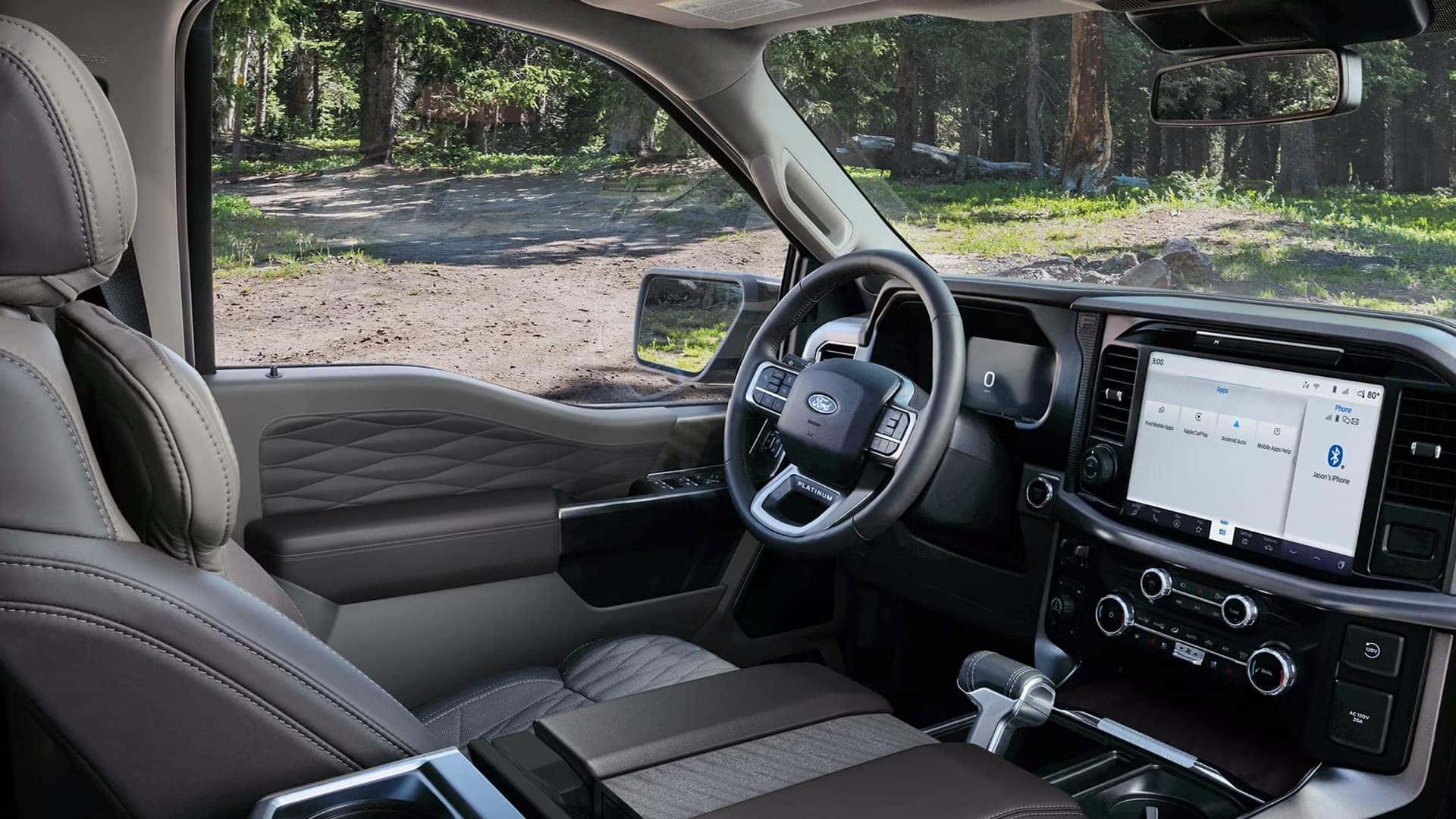
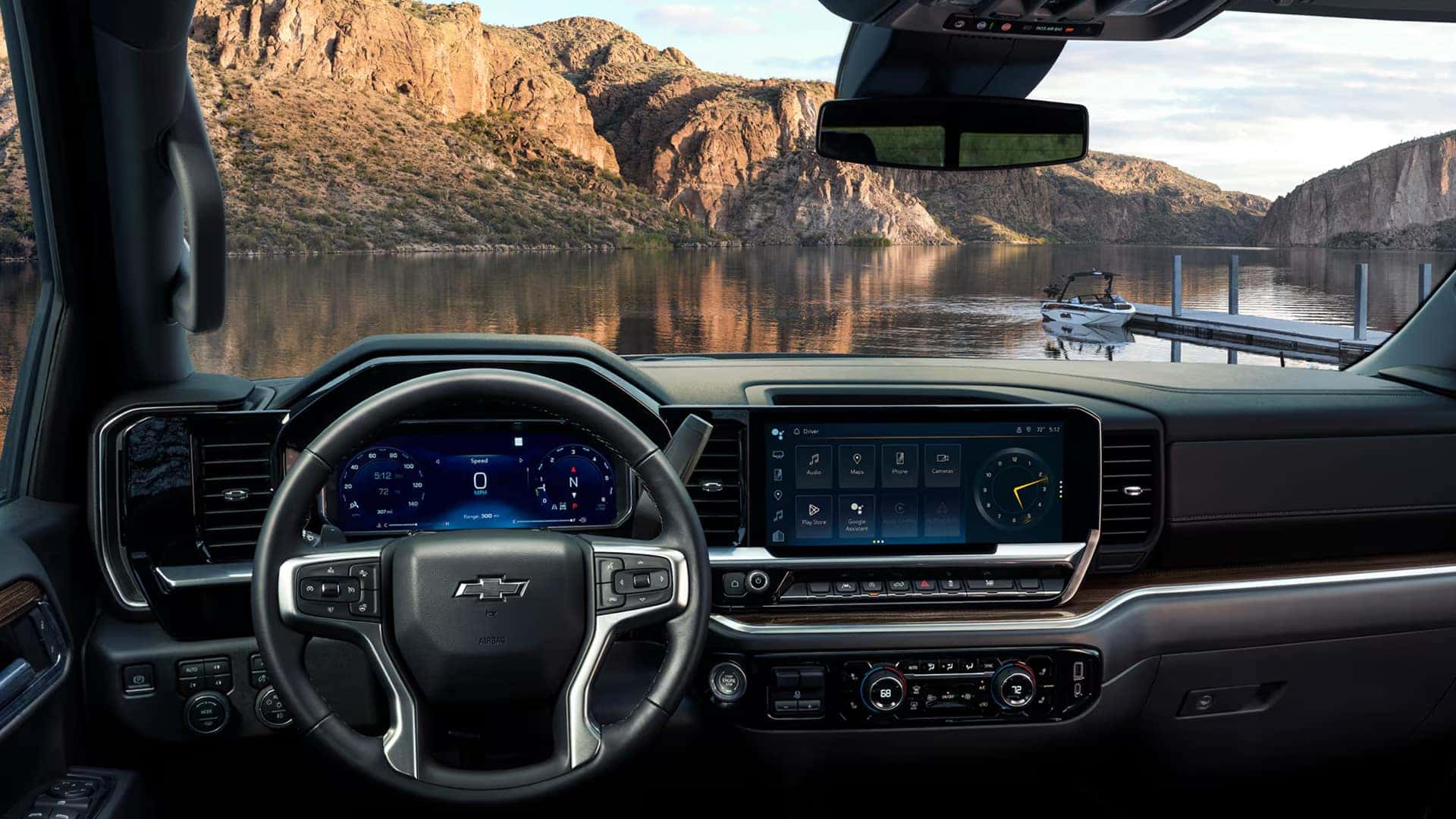
Interior and Displays
A full-size truck cabin has to do more than look good—it needs to be comfortable for long drives, practical for daily use,
and smartly laid out when you’re working out of the vehicle. Both the 2026 F-150 and 2026 Silverado 1500 offer trim-based upgrades
that can change the feel of the interior dramatically, from durable work-ready materials to premium finishes and comfort features.
When you compare these trucks, look at the basics first: seating comfort, visibility, storage, and how the controls are arranged.
Then focus on the display experience—screen size, menu layout, and the way key information is presented while you’re driving or towing.
Some trims emphasize simple functionality, while others add more display real estate, upgraded audio, and convenience features that make
daily driving easier.
F-150 interior highlights
- Work surface and storage solutions vary by trim, useful for jobsite paperwork or quick laptop time
- Cab layouts support passengers + in-cab cargo, depending on cab choice and configuration
- Display size, cluster layout, and connected features vary by trim and optional packages
Silverado display highlights
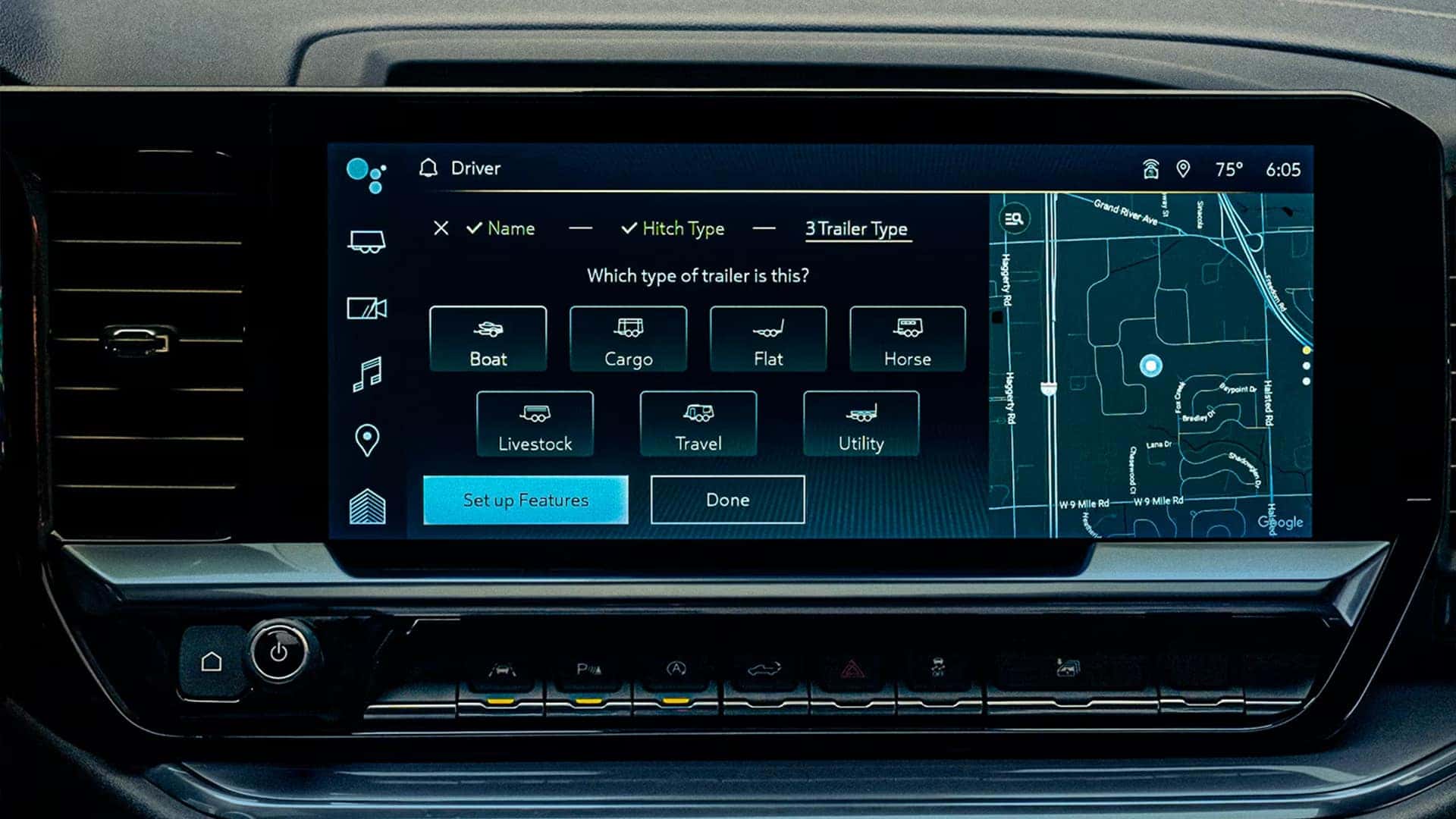
- LT and up: 13.4-inch touchscreen + 12.3-inch Driver Information Center listed by Chevrolet
- Premium materials and comfort features increase as you move into LTZ and High Country trims
- Available connected services (including Google built-in on select trims) depend on equipment and packages
Interior features, screen sizes, and materials vary by trim and packages. We can help verify the exact cabin and display setup on current inventory.
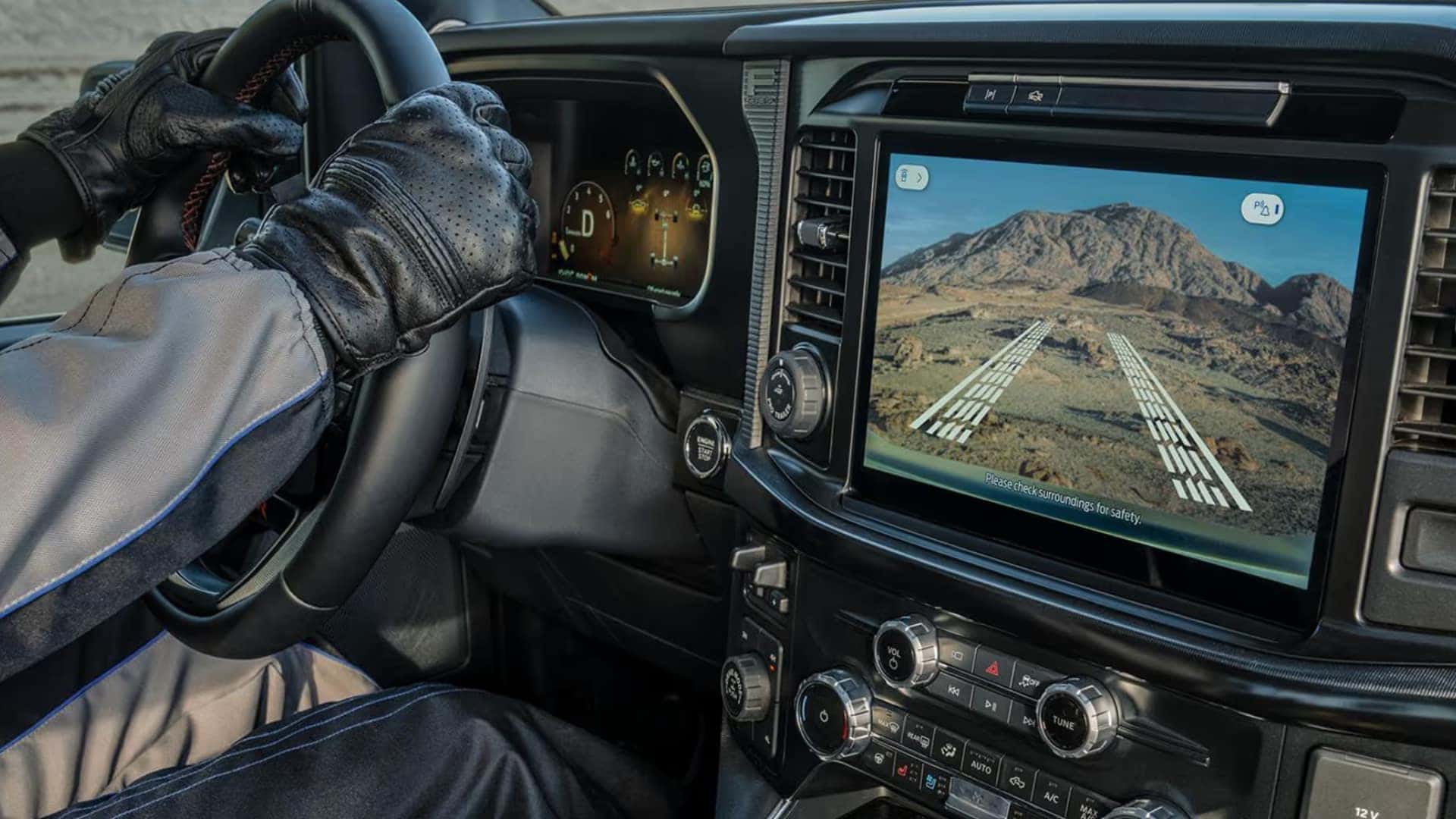
Tech and Driver Assistance Highlights
Technology can be the difference between “good” and “easy” in a full-size truck—especially when you’re towing, parking, navigating unfamiliar roads,
or juggling work and family schedules. Both the F-150 and Silverado 1500 offer modern infotainment, connected features, and driver assistance systems,
but availability depends heavily on trim level and optional packages.
When comparing tech, focus on the features you’ll use every day: how quickly the infotainment responds, how clear the cameras look, and how intuitive it is
to access trailering screens, navigation, and phone integration. If hands-free driving matters, confirm which trims support it and whether it’s included or optional.
For towing, camera coverage and trailer guidance tools can be a major advantage, especially for frequent haulers.
| Category | 2026 Ford F-150 | 2026 Chevy Silverado 1500 |
|---|---|---|
| Infotainment approach | SYNC-based infotainment; features vary by trim/package | Chevrolet lists 13.4-inch touchscreen + 12.3-inch Driver Information Center on multiple trims |
| Hands-free driving | Available BlueCruise on select trims/roads (when equipped) | Available Super Cruise on High Country, including Super Cruise with trailering (when equipped) |
| Trailering camera tech | Trailering features vary by trim and package | Chevrolet lists “offering 8 cameras with up to 14 views” on higher trims |
Tech and driver assistance features vary by trim and package. We can help confirm the exact camera, trailering, and hands-free systems on current inventory.
Contact Us
Questions or want to schedule a test drive?
Give us a call or send us a message below.
2026 Ford F-150 vs 2026 Chevy Silverado 1500 FAQ
Which truck can tow more: 2026 F-150 or 2026 Silverado 1500?
When properly equipped, Ford lists F-150 max available towing up to 13,500 pounds, while Chevrolet lists Silverado 1500 max available trailering up to 13,300 pounds.
Actual ratings depend on engine, drivetrain, axle ratio, cab/bed, and towing equipment.
Which truck has the higher max payload?
Ford lists max available payload up to 2,440 pounds for F-150, while Chevrolet lists max available payload up to 2,260 pounds for Silverado 1500 (both configuration-dependent).
What are the main engine differences?
Ford’s lineup includes options like the 3.5L EcoBoost and the available PowerBoost hybrid. Chevrolet offers TurboMax standard on several trims and an available Duramax 3.0L diesel,
plus available V8 options. Your best match depends on how you prioritize torque, fuel economy, and towing.
Which truck has more trailering camera technology?
Chevrolet promotes “offering 8 cameras with up to 14 views” on higher Silverado trims when equipped. F-150 offers towing support features that vary by trim and package.
If trailering cameras are a must-have, we can help you confirm the exact equipment on the trucks in stock.
How do I choose the right trim for my needs?
Start with your use case: work truck value, premium daily driver, or off-road focus. Then pick the powertrain and towing package that matches your trailer/payload needs,
and confirm the interior/tech equipment you want on the exact unit.
Can I test drive both before deciding?
Yes. Contact Sid Dillon to check availability and schedule back-to-back test drives so you can compare seat comfort, ride quality, visibility, and features in person.
