


How Often Should You Rotate Your Tires?
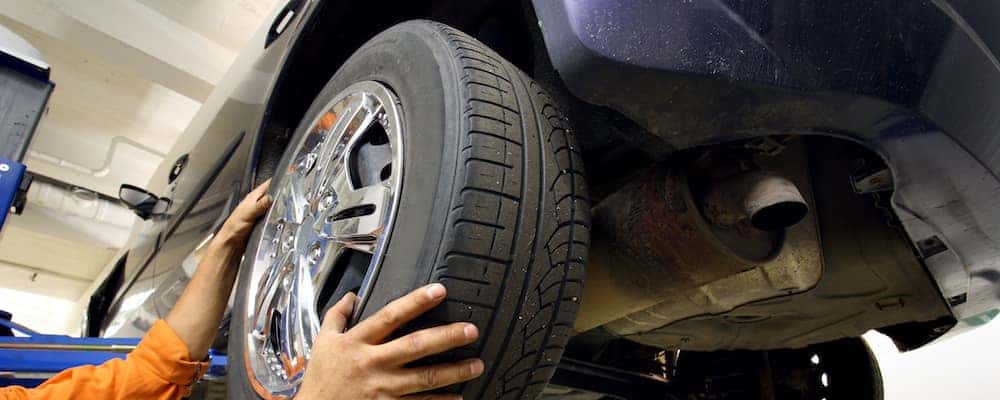
Most cars, trucks, and SUVs should have their tires rotated approximately every 5,000 to 7,500 miles, although the correct interval depends on the vehicle, tire specifications, and driving conditions. Regular tire rotations help distribute tread wear more evenly, extend tire life, and maintain consistent traction and handling. Always check your owner’s manual and tire warranty for the recommended schedule.
Tires don’t wear at exactly the same rate because each wheel position experiences different steering, braking, and driving forces. Moving tires between positions allows them to share those demands over time. For Nebraska drivers, regular tire maintenance is especially useful when preparing for winter roads, longer highway trips, and changing seasonal conditions.
Here’s how often you should rotate your tires, how rotation patterns differ between drivetrains, and what happens if you skip this service. You can also learn more about why tires need to be rotated.
How Often Should You Rotate Your Tires?
A common tire rotation guideline is every 5,000 to 7,500 miles. Some manufacturers recommend shorter or longer intervals, and tire warranties may have their own rotation requirements. Rotating your tires during regularly scheduled maintenance can make the service easier to remember, but don’t assume every oil change interval matches your tire rotation schedule.
Your vehicle’s drivetrain, tire design, and driving conditions can influence the schedule. These are some of the factors to consider:
- Front-Wheel Drive (FWD): The front tires handle steering and driving power, often causing them to wear faster than the rear tires.
- Rear-Wheel Drive (RWD): The rear tires deliver driving power while the front tires handle steering. Actual wear depends on weight distribution and driving habits.
- All-Wheel Drive (AWD) and Four-Wheel Drive (4WD): Maintaining similar tire tread depths can be particularly important for certain drivetrain systems.
- Electric Vehicles: Vehicle weight, motor torque, tire selection, and driving habits may influence tire wear. Follow the EV manufacturer’s recommendations.
- Heavy Loads and Towing: Frequent towing or hauling can increase tire wear and may justify more frequent inspections.
If you notice uneven tread wear before your next scheduled rotation, have the tires inspected rather than waiting for the recommended mileage. Alignment, inflation, or suspension problems may need to be corrected first.
How to Rotate Tires on FWD and RWD Vehicles
The correct rotation pattern depends on which wheels drive the vehicle and whether its tires can safely change sides. For standard non-directional tires of the same size on all four wheels, common FWD and RWD patterns include:
- FWD Rotation: The front tires generally move straight to the rear, while the rear tires cross to opposite sides at the front.
- RWD Rotation: The rear tires generally move straight to the front, while the front tires cross to opposite sides at the rear.
- Alternative Patterns: Some vehicles and tire manufacturers specify an X-pattern or another approved arrangement.
These are common examples, not instructions for every vehicle. Directional tires, different front and rear tire sizes, certain wheel designs, and specialized performance tires can restrict which positions are suitable. Always follow the manufacturer-approved pattern.
How Often Should AWD and 4WD Tires Be Rotated?
AWD and 4WD vehicles generally need regular tire rotations, but there isn’t one universal interval that applies to every model. Many can follow a schedule around 5,000 to 7,500 miles, while some manufacturers specify different intervals or procedures.
Consistent tread depth can be especially important for AWD systems because differences in tire rolling circumference may affect certain drivetrain components. Rotating tires helps distribute wear and can reduce the likelihood of developing excessive differences between tires.
Some vehicles with four matching non-directional tires use a crossed rotation pattern, while others require a different arrangement. If one tire is damaged or needs replacement, consult the manufacturer’s tread-depth and tire-matching requirements before replacing only that tire.
Why Is Regular Tire Rotation Important?
Tire rotations help spread tread wear across all four tires, potentially extending the usable life of the set. They also provide an opportunity to inspect the tires for damage or abnormal wear before those problems become more serious.
The main benefits include:
- More Even Tread Wear: Changing tire positions helps reduce differences in wear caused by steering, braking, and driving forces.
- Longer Tire Life: More uniform wear may help you avoid replacing one pair of tires significantly earlier than the others.
- Consistent Handling: Keeping tread depths more uniform can support predictable traction and vehicle response.
- AWD System Considerations: Similar tire circumferences are important for certain AWD drivetrain designs.
- Warranty Requirements: Some tire warranties require documented rotations at specified intervals.
- Inspection Opportunity: Technicians can check for punctures, unusual tread wear, damaged sidewalls, and inflation concerns.
Tire rotations cannot restore worn tread or correct a mechanical problem that is causing uneven wear. If a tire is damaged or worn beyond safe limits, it may need repair or replacement instead.
What Happens If You Don’t Rotate Your Tires?
Skipping tire rotations can cause one or more tires to wear faster than the rest, shortening tire life and creating differences in tread depth. Over time, irregular wear can also contribute to road noise, vibration, or less consistent handling.
The consequences depend on how a vehicle is driven, tire condition, and the drivetrain. Some vehicles may develop uneven wear quickly, while others show more gradual changes. On certain AWD vehicles, excessive differences in tire circumference can create additional drivetrain concerns.
If you’ve missed a rotation, you don’t necessarily need new tires. Have their condition and tread depth checked, then follow the recommended maintenance schedule. Severe uneven wear may require additional diagnosis.
Tire Rotation vs. Wheel Alignment and Balancing
Tire rotation, wheel alignment, and balancing are different services. A rotation changes where tires are mounted, an alignment evaluates and adjusts applicable wheel angles, and balancing corrects weight imbalances in a tire and wheel assembly.
- Tire Rotation: Recommended periodically to help distribute wear.
- Wheel Alignment: May be needed when tires show abnormal edge wear, the vehicle pulls to one side, or another alignment concern is identified.
- Wheel Balancing: May be needed when installing tires or investigating certain driving vibrations.
You don’t automatically need a wheel alignment with every rotation or tire replacement. However, an alignment inspection can be worthwhile when abnormal tire wear or handling concerns suggest a problem.
Tire Rotation Tips for Nebraska Drivers
Nebraska drivers face changing conditions throughout the year, including snow, ice, gravel roads, highway driving, and significant temperature swings. Maintaining adequate tread depth and proper inflation is especially important when preparing for winter driving.
- Check Tire Pressure: Cold weather can reduce tire pressure, so check inflation at least monthly and after significant temperature changes.
- Inspect Tread Depth: Rotations help distribute wear but cannot restore traction to worn tires.
- Watch for Uneven Wear: Potholes, alignment problems, and improper inflation may cause premature tread wear.
- Consider Winter Conditions: Proper tire selection and tread depth are important when driving on snowy or icy roads.
For additional maintenance guidance, read our articles about cold weather and tire pressure and how to check tire tread depth. You can also explore how long tires typically last.
Schedule Tire Rotation Service at Sid Dillon
Keeping up with tire rotations is a simple way to support tire longevity and maintain more consistent tread wear. Sid Dillon has service locations throughout Nebraska, including Lincoln, Fremont, Blair, Crete, and Wahoo, serving drivers in the surrounding Omaha metro area and nearby communities.
If you aren’t sure when your tires were last rotated or have noticed unusual wear, our service teams can help inspect your tires and determine the next step. Visit our Service Centers page to find a participating location or review available service specials before scheduling an appointment.
Frequently Asked Questions About Tire Rotation
Have a Question? Ask Our Experts Anything!
More from Sid Dillon
November Chevy Lease Specials
November Chevrolet Lease Specials: Find Your Next Chevy at Sid Dillon Take on the season with confidence and discover November Chevrolet lease specials at Sid Dillon. Nebraska drivers can explore limited-time offers on four featured vehicles, including the versatile 2027 Equinox LT AWD, dependable 2026 Silverado 1500 LT 4WD, premium Silverado 1500 LTZ 4WD, and…
November Ford of Wahoo Lease Specials
November Ford Deals on SUVs and Trucks in Wahoo, NE Discover November savings on four new 2026 Ford vehicles at Sid Dillon Ford of Wahoo. This month’s featured offers include the trail-ready Ford Bronco Big Bend 4×4, versatile Bronco Sport Big Bend, family-friendly Explorer Active 4WD, and hardworking F-150 XLT 4×4. Each model offers distinctive…
November Buick of Lincoln Lease Specials
November Buick Lease Specials in Lincoln, NE Discover refined design, thoughtful versatility, and exceptional value with November Buick lease and purchase offers at Sid Dillon Buick of Lincoln. This month’s featured SUVs include the spacious 2027 Buick Enclave Preferred FWD and the stylish 2026 Buick Envista Preferred FWD. The Enclave delivers three rows of seating,…
