


Get Your Vehicle Ready For The New Season With A Few Spring Cleaning Tips
Spring Car Maintenance Tips: How to Prepare Your Vehicle for Warmer Weather
Getting your vehicle ready for spring involves checking tire pressure and tread depth, testing the air conditioning, inspecting air filters, replacing worn windshield wipers, and removing winter road salt. These simple maintenance tasks can help identify problems caused by cold weather, improve driving comfort, and prepare your vehicle for spring rain and rising temperatures.
In Nebraska, changing temperatures, potholes, road debris, and heavy spring rain can create additional challenges for drivers. A thorough spring car maintenance checklist should address both vehicle cleaning and essential mechanical components. Sid Dillon helps drivers throughout Lincoln, Fremont, Omaha, and surrounding communities prepare their vehicles for seasonal driving conditions. Use the following spring cleaning tips to determine which tasks you can handle at home and when professional maintenance may be necessary.
1. Test Your Vehicle’s Air Conditioning System
Testing your car’s air conditioning system before temperatures rise can help identify cooling problems that may have developed or gone unnoticed during winter. Your air conditioning may not have been used regularly for several months, making spring a practical time to check its performance.
Start your vehicle, turn on the air conditioning, and allow the system to operate for several minutes. Pay attention to the temperature of the air, airflow strength, unusual noises, and odors coming from the vents.
- Check cooling performance: Make sure the system produces consistently cool air after it has had time to operate. Weak cooling may indicate a refrigerant leak, compressor issue, or another system problem.
- Inspect airflow: Test different fan speeds and vent settings. Weak airflow may result from a clogged cabin air filter or a ventilation system issue.
- Notice unusual odors: Musty smells can develop when moisture and debris accumulate around the ventilation system or evaporator.
- Listen for abnormal sounds: Rattling, squealing, or clicking noises may indicate a component that needs inspection.
Air conditioning also helps remove moisture from cabin air, which can assist with windshield defogging during humid or rainy weather. If your system struggles to cool the cabin or clear fogged windows, consider a professional inspection before summer driving begins.
2. Inspect and Replace Your Car’s Air Filters
Checking your vehicle’s engine air filter and cabin air filter is an important part of spring maintenance because each serves a different purpose. The engine air filter helps keep airborne contaminants out of the engine’s intake system, while the cabin air filter helps capture dust, pollen, and other particles entering the passenger compartment.
Engine Air Filter
The engine air filter prevents dirt, dust, and debris from entering the engine’s air intake. Over time, accumulated contaminants can restrict airflow and potentially affect engine operation, depending on the vehicle and filter condition.
Spring is a good opportunity to inspect the filter for excessive dirt, leaves, or damage. Follow your vehicle manufacturer’s recommended replacement schedule, and consider more frequent inspections if you regularly travel on dusty gravel roads or in rural Nebraska.
Cabin Air Filter
The cabin air filter helps maintain interior air quality by trapping certain airborne particles before they enter the passenger compartment through the ventilation system. A clogged filter may reduce airflow and contribute to unpleasant odors.
Replacing a dirty cabin air filter may be particularly helpful during Nebraska’s spring pollen season. Replacement intervals depend on the vehicle and driving environment, so consult your owner’s manual rather than assuming every filter requires annual replacement.
If you’re unsure which filters your vehicle uses, contact a Sid Dillon service center for assistance with inspection and replacement recommendations.
3. Check Tire Tread Depth, Air Pressure, and Winter Damage
Spring tire maintenance should include checking tread depth, measuring cold tire pressure, and inspecting for damage caused by potholes or winter road conditions. Proper tire maintenance is especially important during spring rain because worn tread reduces a tire’s ability to channel water away from the road surface.
Check Tire Tread Depth for Wet-Road Traction
Tire tread helps maintain traction by directing water away from the contact area between the tire and road. As tread wears down, the risk of hydroplaning increases, particularly at higher speeds or when water accumulates on the roadway.
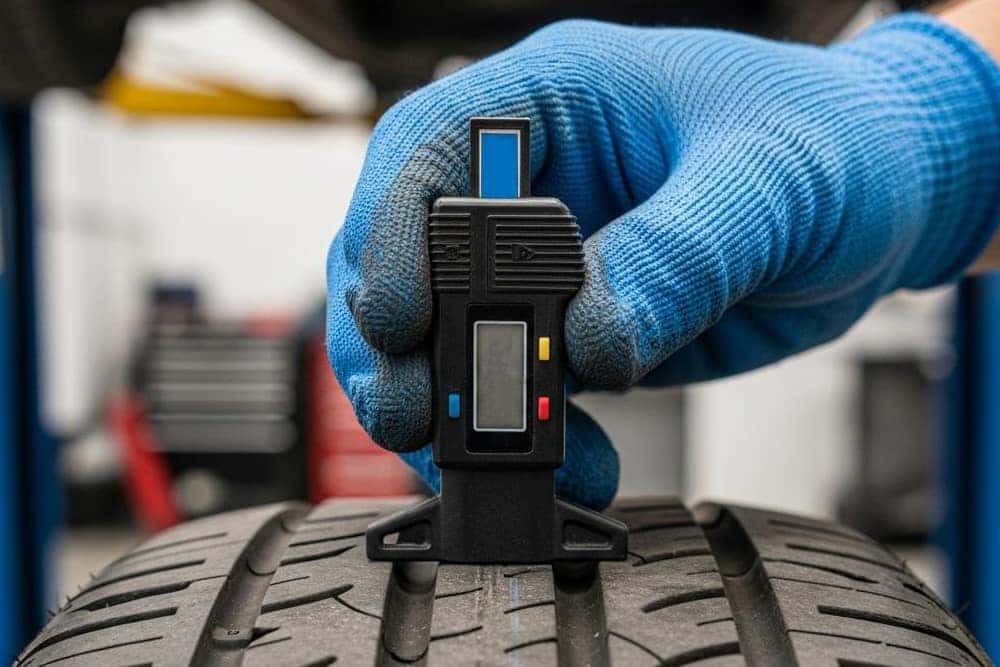
According to the National Highway Traffic Safety Administration (NHTSA), tires should be replaced when tread depth reaches 2/32 of an inch. You can check tread depth using a tread depth gauge or the traditional penny test.
- Use the penny test: Insert a penny into a tire’s tread groove with Lincoln’s head upside down and facing you. If the top of his head remains visible, the tire has reached approximately 2/32 of an inch and needs replacement.
- Inspect multiple locations: Check the inner, center, and outer sections of each tire because wear may not be uniform.
- Look for uneven wear: Excessive wear on one edge may indicate inflation, alignment, or suspension concerns.
- Consider wet-weather performance: Tires can lose meaningful wet-road traction before reaching the minimum tread depth, so earlier replacement may be appropriate.
Check Tire Pressure as Temperatures Change
Tire inflation pressure changes with temperature, which makes checking tire pressure important as Nebraska transitions out of winter. Rising temperatures can increase tire pressure, while naturally occurring air loss may leave tires underinflated.
Measure tire pressure when the tires are cold, ideally before driving or after the vehicle has been parked for at least three hours. Use the recommended pressure printed on the driver’s doorjamb label or listed in your owner’s manual. The pressure molded onto the tire sidewall is not the vehicle’s recommended operating pressure.
Check tire pressure at least once a month and before longer trips. Do not release air solely because a tire’s pressure rises during normal driving.
Inspect Tires for Pothole Damage
Winter freeze-thaw cycles can contribute to potholes that damage tires, wheels, and suspension components. During your spring inspection, look for sidewall bulges, cuts, cracks, and other visible damage.
If your vehicle pulls to one side, the steering wheel sits off-center, or you notice unusual vibration after hitting a pothole, a tire, wheel, or alignment inspection may be necessary.
4. Inspect Windshield Wipers and Clean the Windshield
Inspecting windshield wipers and cleaning your windshield helps maintain visibility during spring rainstorms. Freezing temperatures, ice, road salt, and repeated windshield scraping can damage wiper blades over winter, leaving them less effective when wet weather returns.
Turn on your windshield washer system and inspect how the wipers move across the glass. Replace blades that leave persistent streaks, skip, chatter, or have visibly cracked or damaged rubber.
- Clean the windshield thoroughly: Remove accumulated road film, dirt, and salt residue using an automotive glass cleaner.
- Inspect the wiper blades: Look for torn rubber, damaged frames, and poor contact with the windshield.
- Refill washer fluid: Use a windshield washer fluid appropriate for the expected temperatures and follow the manufacturer’s recommendations.
- Consider a rain-repellent treatment: A compatible windshield treatment may help water bead and move across the glass, but it does not replace functional wiper blades.
Wiper blades do not have one universal replacement interval. Their lifespan depends on weather exposure, usage, and material quality. Regular inspection is more reliable than waiting for a specific date to replace them.
5. Wash Away Winter Road Salt and Clean the Undercarriage
Removing winter road salt and accumulated grime is one of the most important spring cleaning tasks for vehicles driven in Nebraska. Salt and deicing chemicals can remain on exposed metal and underbody components after the roads have dried, contributing to corrosion over time.
When washing your vehicle, pay particular attention to areas where winter debris tends to accumulate.
- Undercarriage: Rinse accessible areas beneath the vehicle to help remove accumulated salt and road debris.
- Wheel wells: Clean around the tires, wheel liners, and exposed suspension areas where dirt and salt may collect.
- Door edges and lower body panels: Wash areas near rocker panels, door openings, and other locations exposed to road spray.
- Paint and exterior trim: Use automotive-safe cleaning products and a soft wash mitt to remove contaminants without unnecessarily scratching the finish.
- Exterior protection: Consider applying a compatible wax or paint protectant after cleaning to help protect the finish.
When rinsing the undercarriage, avoid directing high-pressure water into electrical connections, damaged seals, or other sensitive components. If significant rust, loose protective panels, or damaged underbody components are visible, have them inspected.
6. Clean and Inspect Your Vehicle’s Interior
Spring interior cleaning helps remove the moisture, salt, dirt, and debris that accumulate during winter. It also gives you an opportunity to inspect floor mats, upholstery, and frequently used interior components for damage.
Start by removing unnecessary items and thoroughly vacuuming the seats, carpeting, and floor areas. Pay special attention to the spaces beneath seats and around floor mats, where moisture and road salt can collect.
- Floor mats and carpeting: Remove mats, clean them according to their material, and allow them to dry completely before reinstalling.
- Dashboard and controls: Use cleaning products appropriate for the vehicle’s interior surfaces, including touchscreens and instrument displays.
- Seats and upholstery: Remove dirt and stains using products recommended for cloth, leather, or synthetic seating materials.
- Windows and mirrors: Clean interior glass to remove haze that can increase glare during sunny or rainy conditions.
- Cabin moisture: Check for damp carpeting or persistent musty odors that could indicate water intrusion.
When reinstalling the driver’s floor mat, confirm that it is properly secured and cannot interfere with the accelerator or brake pedals. This is especially important if you switch between winter all-weather mats and standard carpeted mats.
7. Check Your Car Battery, Brakes, and Essential Fluids
A spring vehicle inspection should also include the battery, brakes, and essential fluid levels. Cold-weather operation and winter road conditions can expose existing mechanical problems, making spring a useful time to identify maintenance needs before longer trips.
Battery and Charging System
Cold weather can reduce battery performance and reveal weaknesses in an aging battery. Inspect accessible battery terminals for corrosion, loose connections, or visible damage. If the engine cranks slowly or electrical systems behave unusually, consider professional battery and charging system testing.
Battery maintenance procedures vary by vehicle. Hybrid and electric vehicles may also have a separate low-voltage battery that requires attention. Avoid handling high-voltage electrical components.
Brakes and Suspension
Winter moisture, road salt, and potholes can affect brake and suspension components. Listen for persistent grinding or squealing, notice changes in brake pedal feel, and pay attention to steering or suspension noises.
If braking performance changes, the vehicle pulls while braking, or you experience unusual vibration, arrange an inspection. A technician can evaluate brake pad wear, rotor condition, and other components that may require service.
Engine Oil, Coolant, and Other Fluids
Checking fluid levels helps identify maintenance needs and potential leaks before warmer weather places additional demands on your vehicle.
- Engine oil: Check the level according to your owner’s manual and confirm whether an oil change is due based on mileage, time, or the vehicle’s oil-life monitoring system.
- Engine coolant: Inspect the coolant level only when the engine is cool. Low coolant may indicate a leak that requires diagnosis.
- Brake fluid: Check the reservoir according to manufacturer instructions. A low level may reflect brake wear or a leak and should be evaluated rather than repeatedly topped off.
- Windshield washer fluid: Refill the reservoir to support visibility during spring rain, mud, and road spray.
- Other vehicle-specific fluids: Review the owner’s manual for transmission, power steering, or other applicable fluid inspection requirements.
Fluid types and service intervals differ among vehicles. Avoid mixing incompatible products or opening a pressurized cooling system while the engine is hot.
Spring Car Maintenance Checklist: What Should You Inspect?
A complete spring maintenance routine should address visibility, tires, vehicle cleanliness, and mechanical condition. The following checklist summarizes the most useful tasks to complete after winter.
- Air conditioning: Test cooling performance, airflow, and ventilation.
- Air filters: Inspect the engine air filter and cabin air filter for excessive debris or restricted airflow.
- Tires: Check tread depth, cold inflation pressure, and visible damage.
- Windshield and wipers: Clean the glass, inspect wiper blades, and refill washer fluid.
- Exterior: Wash away winter salt, especially around the undercarriage and wheel wells.
- Interior: Vacuum carpeting, clean floor mats, and inspect for trapped moisture.
- Battery: Look for corrosion and arrange testing if starting performance has declined.
- Brakes and suspension: Check for unusual noises, vibration, pulling, or changes in braking performance.
- Fluids: Review oil, coolant, and other applicable fluid levels and maintenance schedules.
For Nebraska drivers, these inspections are particularly useful after months of freezing temperatures, road treatments, and changing pavement conditions. If you discover damaged tires, fluid leaks, unusual braking behavior, or other mechanical concerns, address them before taking an extended spring or summer road trip.
Frequently Asked Questions About Spring Car Maintenance
What maintenance should I do on my car in the spring?
Spring car maintenance should include checking tire pressure and tread depth, inspecting windshield wipers, testing air conditioning, examining air filters, checking essential fluids, and removing winter road salt. It is also a good time to inspect the battery, brakes, and suspension for problems that may have developed during colder weather.
Why is it important to wash your car after winter?
Washing your car after winter helps remove accumulated road salt, deicing chemicals, and debris that can contribute to corrosion. Pay particular attention to the undercarriage, wheel wells, rocker panels, and lower body surfaces. Removing these contaminants helps protect the vehicle’s exterior and exposed metal components.
Should I check my tire pressure when spring temperatures rise?
Yes. Tire pressure changes with temperature, so checking inflation as the seasons change is important. Measure tire pressure when the tires are cold and adjust it to the vehicle manufacturer’s recommended PSI listed on the driver’s doorjamb label. Continue checking pressure at least once a month because tires naturally lose air over time.
How do I know if my windshield wipers need replacing?
Windshield wipers may need replacement if they leave streaks, skip across the glass, make unusual noises, or have cracked or torn rubber. Winter ice and road debris can accelerate wear. Inspect your wipers before spring rainstorms and replace them when they no longer clear the windshield effectively.
Do I need to replace my cabin air filter every spring?
Not necessarily. Cabin air filter replacement depends on the vehicle manufacturer’s maintenance schedule, filter condition, and driving environment. Spring is a convenient time to inspect the filter because accumulated dust, debris, and pollen can restrict airflow. Replace it when the manufacturer recommends or when inspection indicates replacement is needed.
Can winter potholes damage my car’s tires and alignment?
Yes. Striking a pothole can damage a tire or wheel and may affect suspension or steering alignment. Warning signs include uneven tire wear, steering wheel vibration, pulling to one side, or a steering wheel that no longer sits centered while driving straight. If these symptoms appear after winter driving, have the vehicle inspected.
Get Your Vehicle Ready for Spring at Sid Dillon
Preparing your vehicle for spring involves more than washing away winter dirt. Checking tires, air filters, air conditioning, windshield wipers, brakes, and essential fluids can help identify maintenance needs and improve your vehicle’s readiness for warmer weather. Regular inspections are particularly valuable for Nebraska drivers navigating spring rain, potholes, and changing temperatures.
Sid Dillon provides vehicle maintenance and repair services for drivers throughout Lincoln, Fremont, Omaha, and surrounding communities. If your spring inspection reveals worn tires, weak air conditioning, unusual brake noises, or other concerns, visit a Sid Dillon service center for assistance. You can also schedule a service appointment or contact our team with questions about seasonal vehicle maintenance.

0 comment(s) so far on Get Your Vehicle Ready For The New Season With A Few Spring Cleaning Tips