


How AI Is Revolutionizing Car Manufacturing in 2025
How AI Is Revolutionizing Car Manufacturing in 2025
From Virtual Factories to Predictive Uptime
Automakers are pairing digital twins—live, virtual replicas of factories, tools, and even entire cars—with AI to plan layouts, test line changes, and predict issues long before they hit the floor. The result: faster launches, better quality, and less downtime.
Note: External resources below are provided for additional context and demonstrations.
What Is a Digital Twin (and Why It Matters)?
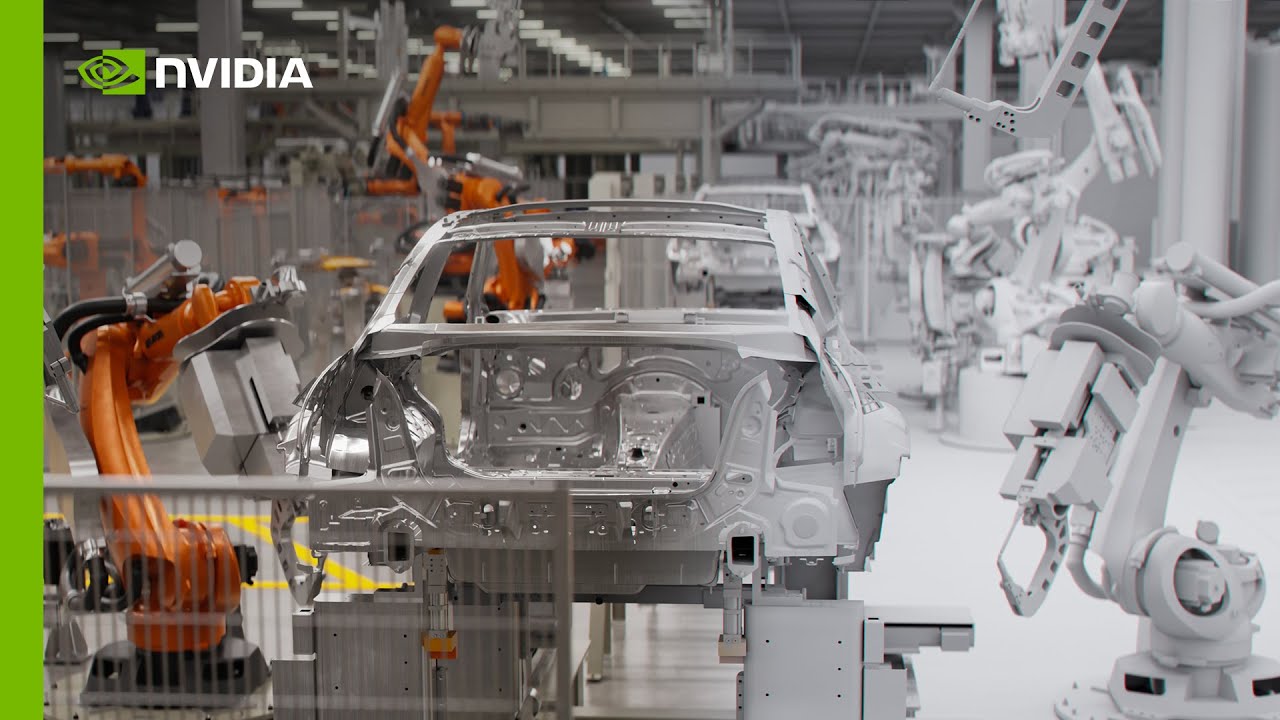
High-level takeaway
- Live mirror: A digital twin mirrors robots, tools, workers, and materials in a true-to-physics virtual model.
- Instant iteration: Teams test station layouts, robot paths, and safety zones virtually—no downtime required.
- Faster SOP: Issues get ironed out in the twin, so the physical line hits targets sooner.
Watch BMW’s virtual factory demo in NVIDIA Omniverse and read reporting on this approach in WIRED and WIRED’s “Industrial Metaverse” feature.
Walk Through a Virtual Plant Before It Exists
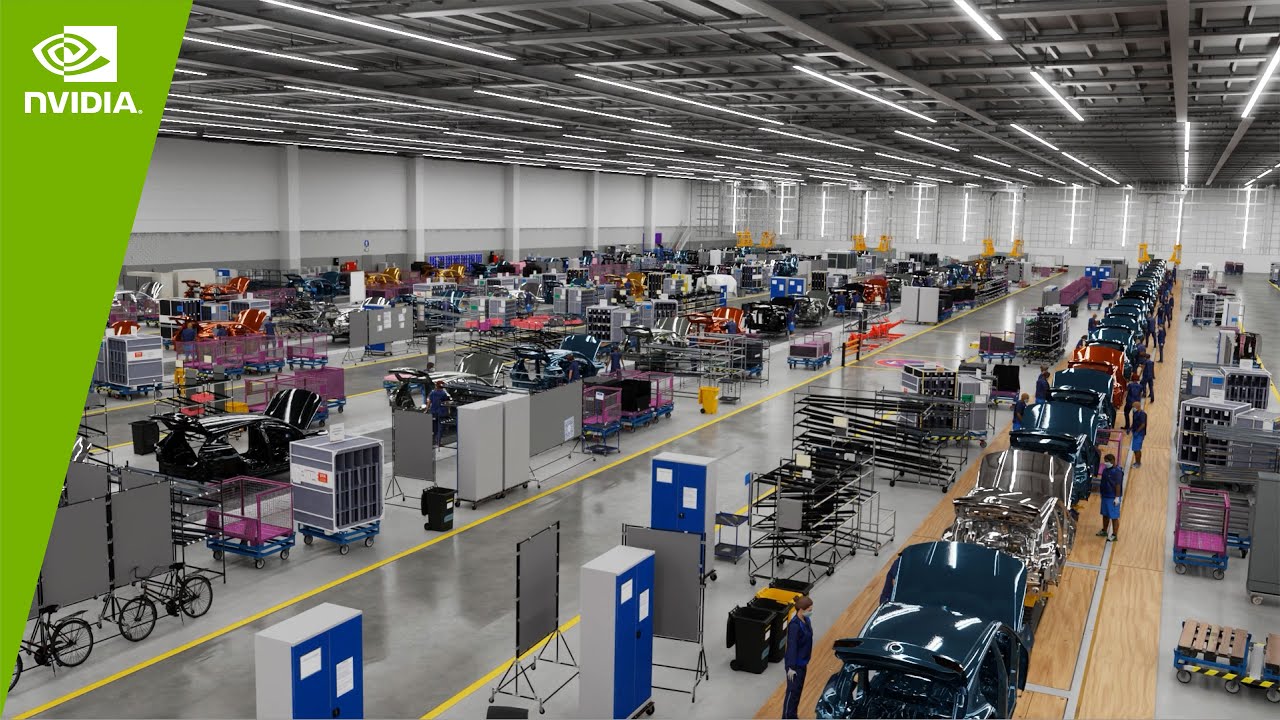
What teams do inside the model
- Ergonomics & flow: Simulate worker reach, visibility, and walking distance to reduce fatigue.
- Robot paths: Validate collision-free motions and cycle times.
- Throughput: Stress-test takt time before parts arrive on site.
See a walk-through of an assembly system running in a virtual environment here.
AI Predictive Maintenance: Fix It Before It Fails
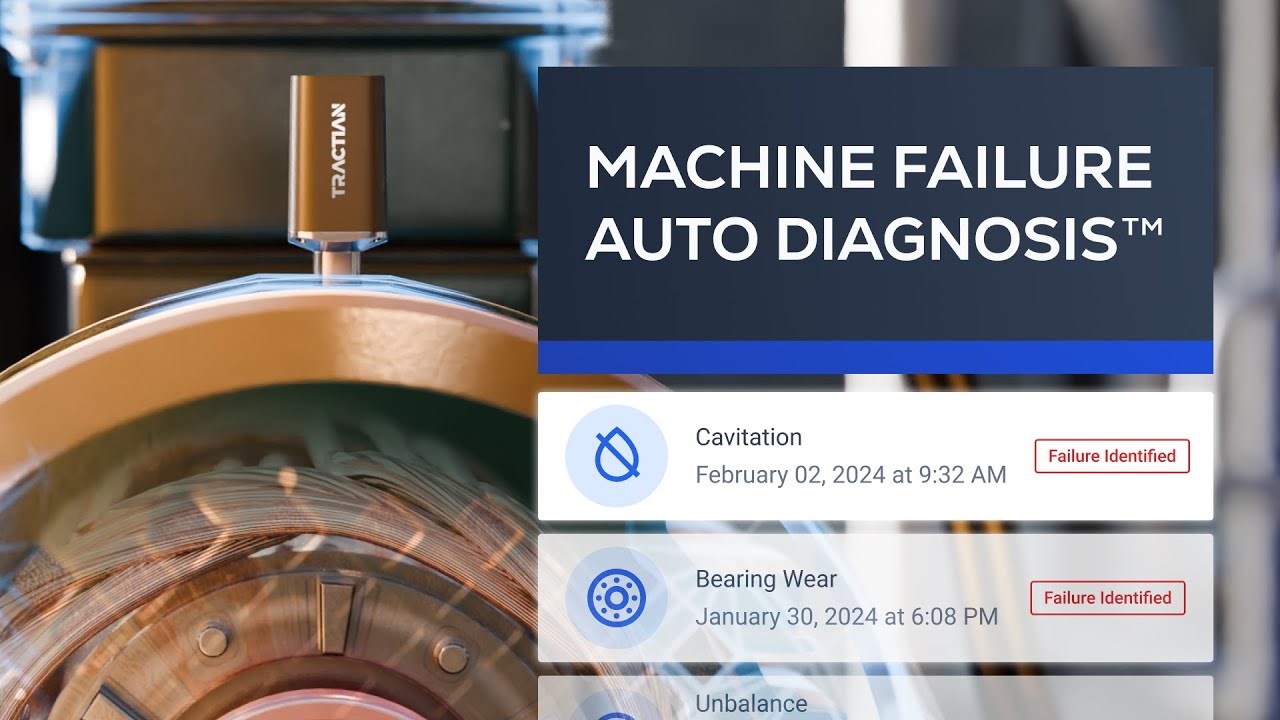
How it works
- Sensors everywhere: Vibration, temperature, and current draw feed models in real time.
- Trained models: AI learns patterns that precede failures—bearings, motors, weld tips, conveyors.
- Smart scheduling: Maintenance windows align with production to avoid costly downtime.
See an AI diagnostic workflow in action in this video, and read more about industry adoption in Business Insider’s coverage.
Quality Control, Virtual Launches, and Faster Ramps
Why this matters for drivers
- Higher first-time quality: Stations are tuned before day one, which means fewer early defects.
- Better launches: Virtual commissioning can trim weeks from ramp schedules.
- Continuous improvement: Twins update with live plant data, so small tweaks keep stacking efficiency.
Background reading: BMW + Omniverse overview and future factory vision.
Bottom Line: What This Means for Car Shoppers
Digital twins and AI don’t just help factories—they help customers. By simulating work environments end-to-end, manufacturers can:
- Compare and refine parts and processes to catch small defects sooner.
- Virtual-test ergonomics and throughput to boost line efficiency and consistency.
- Predict equipment issues so maintenance is proactive, keeping quality high and production steady.
- Shorten launch ramps so new tech reaches showrooms faster with fewer early hiccups.
For shoppers, that translates to more consistent build quality, fewer early-run issues, and quicker access to the latest features.
How This Benefits Sid Dillon Customers
- Better vehicles, sooner: As automakers accelerate launches with digital twins, our Nebraska stores see new models and updates faster—so you can shop the latest tech without the early-run headaches.
- More consistent quality: Fewer defects at the plant level mean smoother ownership and fewer service surprises.
- Value you can feel: Efficiency upstream helps keep pricing competitive and incentives strong, saving our customers money.
- Expert guidance: Our teams track these manufacturing advances to help you compare trims, features, and build cycles with confidence.
Where we serve: Sid Dillon helps shoppers across Blair, Crete, Fremont, Lincoln, and Wahoo, Nebraska—and the broader Omaha–Lincoln corridor. Whether you’re nearby or driving in, we’ll make your visit fast and straightforward.

0 comment(s) so far on How AI Is Revolutionizing Car Manufacturing in 2025