


What is Car Detailing?
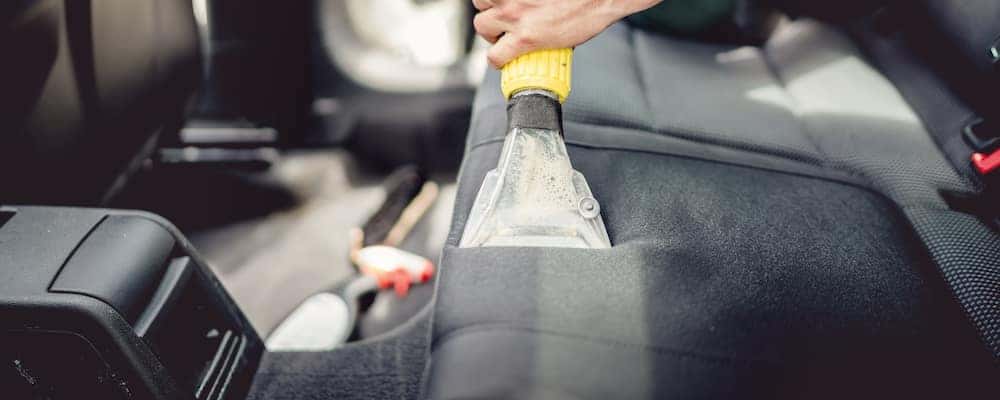
Car detailing is the thorough cleaning, restoration, and protection of a vehicle’s interior and exterior surfaces. Unlike a standard car wash, which primarily removes dirt and debris from the exterior, auto detailing addresses areas such as upholstery, carpeting, dashboards, wheels, paint, and trim. Detailing can help maintain a vehicle’s appearance, protect certain surfaces from wear, and prepare a car for resale or trade-in. Drivers throughout Lincoln, Fremont, Omaha, and surrounding Nebraska communities can detail their vehicles at home or explore professional services through Sid Dillon. Learn what car detailing includes, which supplies you need, and how to clean your vehicle properly.
What Is the Difference Between Car Detailing and a Car Wash?
The main difference between car detailing and a car wash is the level of cleaning and surface care involved. A regular car wash focuses on removing exterior dirt, road grime, and other contaminants, while car detailing provides a more comprehensive cleaning of the vehicle’s interior, exterior, and hard-to-reach areas. Depending on the service, detailing may also include paint protection, upholstery treatment, and minor cosmetic improvements.
- Standard Car Wash: Typically includes washing and rinsing the vehicle’s exterior, sometimes with basic wheel cleaning and drying. Certain car wash packages also offer interior vacuuming.
- Exterior Car Detailing: Includes a thorough exterior wash, wheel and tire cleaning, attention to trim and crevices, and available paint protection services such as waxing or sealant application. More advanced packages may include paint decontamination and polishing.
- Interior Car Detailing: Focuses on vacuuming, cleaning seats and carpeting, treating appropriate upholstery surfaces, removing debris from interior crevices, and cleaning windows, dashboards, and door panels.
- Full Car Detailing: Combines interior and exterior detailing into a comprehensive vehicle cleaning service. Specific treatments depend on the detailing package and the vehicle’s condition.
Car detailing is particularly useful when routine washing no longer removes accumulated dirt, interior stains, or contaminants on the vehicle’s finish. It is important to understand that detailing is primarily a cleaning and cosmetic care process. Deep paint scratches, dents, and collision damage may require separate professional body repair services.
Car Detailing Equipment and Supplies
Car detailing requires cleaning products and equipment designed for automotive surfaces. Using the correct supplies helps remove dirt without unnecessarily damaging paint, upholstery, leather, plastics, or protective finishes. Before beginning, gather the supplies needed for both interior and exterior detailing.
- Vacuum Cleaner: Removes loose dirt, dust, crumbs, and debris from carpets, floor mats, seats, and interior crevices.
- Car Washing Mitts: Soft microfiber or other automotive-safe wash mitts help clean exterior painted surfaces while reducing the risk of scratching.
- Microfiber Cloths: Useful for drying paint, wiping interior surfaces, applying certain cleaning products, and buffing off wax or sealants.
- Small Detailing Brushes: Soft brushes help remove dust and debris around air vents, seams, dashboard controls, and other hard-to-reach areas.
- Compressed Air or Detailing Air Tools: Can help remove loose debris from tight interior spaces when used carefully and according to equipment instructions.
- Upholstery Cleaner: A cleaner specifically formulated for the vehicle’s seat material helps remove dirt and stains without damaging the upholstery.
- Carpet Stain Remover: Automotive fabric and carpet cleaners can help treat spills, tracked-in dirt, and other interior stains.
- Car-Safe Washing Solution: Automotive shampoo is designed to clean exterior surfaces without unnecessarily stripping protective wax or sealant.
- Automotive Window Cleaner: Cleans interior and exterior glass while helping reduce streaks and residue. Choose a product appropriate for tinted windows when applicable.
- Surface Protectant: Products formulated for automotive vinyl, plastic, and leather can help maintain certain interior surfaces when used as directed.
Additional supplies may include a dedicated wheel cleaner, separate wheel brushes, tire cleaning products, automotive wax, paint sealant, and a drying towel. Always check the vehicle owner’s manual and product labels before applying chemicals to sensitive surfaces. Test unfamiliar cleaners on a small, inconspicuous area first.
How to Detail the Exterior of a Car
Exterior car detailing involves washing the vehicle, cleaning the wheels and tires, removing surface contamination, and applying appropriate paint protection. Performing these steps in the proper order helps reduce the risk of scratching the finish and leaves the exterior clean and protected. For best results, work in a shaded area when the vehicle’s surfaces are cool.
Step 1: Wash and Dry the Exterior
Begin by rinsing the exterior to remove loose dirt, dust, and road debris. Use a car-safe washing solution and a clean microfiber wash mitt to wash the vehicle gently, starting with the upper surfaces and working downward. Rinse the mitt frequently to prevent trapped dirt and grit from scratching the paint.
- Use automotive shampoo rather than household detergents, which can remove protective wax and may be unsuitable for vehicle finishes.
- Wash one section at a time to prevent cleaning products from drying on the surface.
- Rinse thoroughly with clean water to remove remaining soap and loosened debris.
- Dry the exterior with clean microfiber drying towels to reduce water spots.
Pay additional attention to lower body panels, rocker panels, and wheel wells, where road grime and winter salt residue may accumulate. Nebraska drivers should remove winter road contaminants regularly rather than waiting for a complete detailing appointment.
Step 2: Clean the Wheels and Tires
Cleaning the wheels and tires removes accumulated road dirt, brake dust, and other debris that a basic wash may leave behind. Use a dedicated wheel brush and a cleaning product appropriate for the wheel’s finish. Avoid using abrasive tools that could damage painted, polished, or coated wheels.
- Apply a wheel-safe cleaner according to the manufacturer’s instructions.
- Use a soft brush to clean wheel faces, openings, and accessible crevices.
- Clean the tires using a compatible tire cleaning product and a separate brush.
- Rinse thoroughly and dry the wheels with dedicated towels.
Keep wheel cleaning tools separate from those used on painted body panels because brake dust and abrasive debris can scratch exterior finishes. If applying tire dressing, keep the product off tire tread surfaces and braking components.
Step 3: Apply Wax or Paint Protection
Applying automotive wax or paint sealant can help protect the vehicle’s clear coat against environmental contaminants and make subsequent cleaning easier. Before applying protection, ensure the exterior is clean and dry. Some vehicles may benefit from additional paint decontamination or polishing, although these treatments are not necessary for every detail.
- Choose an automotive wax or paint sealant compatible with the vehicle’s finish.
- Apply the product in small sections using the recommended applicator.
- Follow the manufacturer’s instructions for application, curing, and removal.
- Buff away excess residue with a clean microfiber towel when directed.
- Avoid applying products to surfaces where the manufacturer advises against their use, including certain matte finishes or unpainted trim.
Wax and paint sealants provide a protective layer but do not permanently prevent scratches, rock chips, or other physical damage. Paint polishing and correction are separate procedures that may require specialized equipment and experience.
How to Detail the Interior of a Car
Interior car detailing involves removing dirt, dust, stains, and debris from seats, carpets, door panels, glass, and frequently touched surfaces. Cleaning the interior regularly can help maintain the condition of upholstery and other materials, improve cabin appearance, and reduce accumulated odors. Use products specifically designed for each surface to avoid discoloration, residue, or damage.
Step 1: Vacuum the Carpeting and Floor Mats
Start by removing loose belongings and floor mats, then vacuum the vehicle’s carpeting, footwells, seats, and accessible crevices. Use a crevice attachment to reach areas beneath the seats and around seat tracks. Vacuum removable floor mats separately before cleaning them with products appropriate for their material.
- Remove loose dirt and debris before applying carpet cleaning solutions.
- Use an automotive carpet cleaner to treat suitable stains and spills.
- Gently agitate stained areas with an appropriate soft brush when recommended.
- Avoid oversaturating carpeting because trapped moisture can contribute to odors and mildew.
Allow carpeting and fabric floor mats to dry completely before reinstalling them. Confirm that the driver’s floor mat is secured correctly and cannot interfere with the accelerator, brake, or other pedals.
Step 2: Clean the Interior Door Panels and Door Jambs
Interior door detailing removes dirt and fingerprints from door panels, handles, storage compartments, and accessible door jambs. Use a microfiber cloth and a cleaning solution compatible with the vehicle’s plastic, vinyl, fabric, or leather surfaces.
- Wipe down door handles, armrests, storage pockets, and frequently touched areas.
- Use a soft detailing brush to clean seams, trim edges, and recessed areas.
- Clean accessible painted and plastic door jamb surfaces with appropriate products.
- Dry cleaned surfaces thoroughly to avoid streaks or lingering moisture.
Avoid spraying cleaning products directly into window switches, speaker openings, electronic controls, or other sensitive components. Apply the product to a cloth instead.
Step 3: Clean the Interior Windows and Mirrors
Cleaning the interior glass removes fingerprints, haze, and residue that can reduce visibility, especially when driving into direct sunlight or at night. Use an automotive glass cleaner and a clean microfiber cloth to wipe the windshield, side windows, rear window, and rearview mirror.
- Use a glass cleaner suitable for automotive glass and any aftermarket window tint.
- Apply cleaner to the cloth rather than directly onto sensitive electronics or mirror assemblies.
- Wipe the glass using a clean, lint-free microfiber towel.
- Finish with a separate dry cloth to remove remaining streaks.
Clean glass improves visibility, but be cautious around rear-window defroster lines, camera housings, and other integrated components.
Step 4: Clean the Seats and Upholstery
Seat detailing removes surface dirt, crumbs, and appropriate stains while helping maintain the vehicle’s upholstery. The correct cleaning method depends on whether the seats are made of cloth, leather, synthetic leather, or another material.
- Cloth Seats: Vacuum thoroughly and use an automotive fabric cleaner on suitable stains. Avoid excessive moisture and allow seats to dry completely.
- Leather Seats: Use a manufacturer-approved leather cleaner and apply leather care products only when appropriate for the material.
- Synthetic Upholstery: Clean with products specifically approved for the seat material, following the vehicle manufacturer’s recommendations.
- Seat Seams and Crevices: Use vacuum attachments or soft brushes to remove debris without damaging stitching or upholstery.
Avoid saturating seats, especially around electronic seat controls, ventilation components, heating elements, and airbag areas. If stains or odors remain after routine cleaning, professional upholstery treatment may be appropriate.
Step 5: Detail the Steering Wheel and Steering Column
Cleaning the steering wheel and surrounding controls removes oils, dust, and residue that accumulate through everyday use. Use a mild, material-compatible cleaner applied to a microfiber cloth, then gently wipe the steering wheel, steering column housing, and accessible controls.
Dry the surfaces thoroughly and avoid applying slippery or glossy protectants to the steering wheel, gear selector, or other driving controls. Do not spray liquids into electrical switches or steering-column openings.
Step 6: Clean the Dashboard and Center Console
Dashboard and center console detailing focuses on removing dust, fingerprints, and debris from visible surfaces and tight interior spaces. Use soft brushes and microfiber cloths to clean around dashboard vents, cupholders, storage compartments, and control panels.
- Remove dust from dashboard surfaces and air vents with a soft detailing brush.
- Clean cupholders and accessible storage compartments with a compatible interior cleaner.
- Use a display-safe cloth and manufacturer-approved cleaning method for infotainment screens and digital instrument panels.
- Apply compatible interior protection products when recommended, avoiding excessive shine or residue.
After cleaning, inspect the cabin for remaining moisture or residue and allow treated surfaces to dry before using the vehicle. Keep protective products away from pedals, touchscreen coatings, and other areas where they could interfere with operation.
How Often Should You Detail Your Car?
Many vehicle owners choose to complete a thorough interior and exterior detail every three to six months, although the appropriate frequency depends on driving habits, vehicle condition, climate, and personal preferences. Routine washing and interior cleaning should generally occur more frequently to prevent dirt and contaminants from accumulating.
- Daily Commuting: Regular interior vacuuming and exterior washing can help control dirt, dust, and road residue between detailing sessions.
- Nebraska Winter Driving: Frequent removal of road salt and deicing residue is especially important during winter. Consider a thorough cleaning after winter to address buildup around exterior surfaces and floor mats.
- Family Vehicles: Vehicles regularly transporting children, pets, or sports equipment may benefit from more frequent interior cleaning and stain treatment.
- Before Selling or Trading In: A thorough detail can improve a vehicle’s presentation before an appraisal or private sale, although it does not guarantee a higher resale or trade-in value.
- After Extended Travel: Road trips and long-distance driving may leave additional bugs, dust, and debris that warrant a more complete cleaning.
For most drivers, consistent maintenance between detailing sessions is more practical than allowing several months of heavy buildup. Follow the manufacturer’s care instructions for specialty paint finishes, interior materials, and protective coatings.
Frequently Asked Questions About Car Detailing
What does a full car detail include?
A full car detail generally includes thorough interior and exterior cleaning. Exterior services may include washing, wheel and tire cleaning, glass cleaning, and paint protection. Interior services typically include vacuuming, cleaning carpets and upholstery, wiping down the dashboard and door panels, and cleaning interior glass. Additional treatments such as polishing, stain extraction, or odor treatment depend on the service package.
How much does professional car detailing cost?
Professional car detailing prices vary based on vehicle size, condition, location, and the services included. A basic interior or exterior detail generally costs less than a comprehensive package that includes deep upholstery cleaning, paint polishing, or specialized protective treatments. Contact Sid Dillon to ask about available detailing packages and current pricing at participating locations.
How long does it take to detail a car?
Car detailing can take a few hours or most of a day, depending on vehicle size, condition, and the services performed. A basic interior or exterior detail generally takes less time than a full detail involving stain removal, extensive cleaning, or paint correction. Additional drying or curing time may be necessary for certain treatments. Ask your detailing provider for a time estimate based on your vehicle.
Can car detailing remove scratches from paint?
Some light surface scratches and swirl marks may be reduced through professional paint polishing or correction, but standard car detailing does not necessarily include these services. Scratches that extend through the clear coat or into deeper paint layers may require professional paint repair. Deep scratches, dents, and collision damage are generally better evaluated by an automotive body repair specialist.
Is professional car detailing worth it before selling a car?
Professional detailing can be worthwhile before selling or trading in a vehicle because a clean interior and exterior make its condition easier to evaluate and may improve its presentation to potential buyers. However, detailing does not guarantee a higher offer. Vehicle value also depends on mileage, mechanical condition, accident history, equipment, and market demand. Compare the detailing cost with the potential benefit before scheduling the service.
How often should I detail my car in Nebraska?
A complete detail every three to six months is a reasonable starting point for many Nebraska drivers, with more frequent cleaning when needed. Winter road salt, spring mud, summer dust, and everyday commuting can increase the need for exterior washing and interior maintenance. Removing road salt promptly and cleaning floor mats regularly can help limit seasonal buildup between full detailing sessions.
Professional Car Detailing and Body Shop Services at Sid Dillon
Professional car detailing provides a convenient option for drivers who prefer specialized equipment and experienced cleaning services. Depending on the selected package, professional detailing may include a comprehensive interior cleaning, exterior washing, wheel treatment, paint protection, and additional surface care. Services, availability, and car detailing prices can vary by location, vehicle size, condition, and requested treatments.
At Sid Dillon, drivers can explore professional detailing and related automotive appearance services through our body shop locations. Our teams can also assist with exterior damage requiring more than cleaning, including deep scratches in a car’s paint and certain minor dents that may qualify for paintless dent repair.
Sid Dillon serves drivers throughout Lincoln, Fremont, Blair, Omaha, and nearby Nebraska communities. If your vehicle needs a complete detail, interior cleaning, or professional body repair, contact our team to discuss available services, request pricing, and identify the appropriate location. A properly maintained interior and exterior can help keep your vehicle looking its best throughout Nebraska’s changing seasons.
