


How to Repair Deep Scratches on a Car
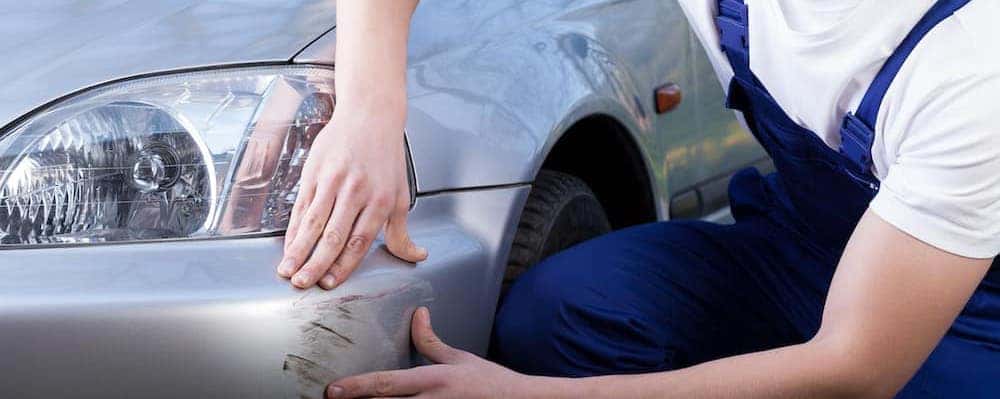
Finding a scratch on your car is never fun, especially when it looks like more than a simple surface mark. Whether it happened in a parking lot, along a gravel road, or during your daily drive around Lincoln or Omaha, the first step is figuring out how deep the damage goes. Some scratches can be improved at home with the right products, while others need professional paint repair to restore the finish and prevent additional damage.
At Sid Dillon Body Shops, we help Nebraska drivers with everything from minor cosmetic damage to more extensive collision repairs. Here’s what you should know before trying to fix a deep scratch yourself.
How Can You Tell How Deep a Car Scratch Is?
Not every scratch requires the same repair. Modern automotive paint typically includes several layers, including primer, color, and a protective clear coat. Understanding which layers are damaged can help you determine whether a simple polish, touch-up paint, or professional repair makes the most sense.
- Clear coat scratches: These affect the transparent protective layer over the paint. Light scratches and swirl marks can sometimes be reduced with an automotive polishing product.
- Paint scratches: If the scratch extends through the clear coat and into the color layer, polishing alone won’t restore the missing paint. Touch-up paint or professional refinishing may be needed.
- Deep scratches into primer or metal: These require more attention because multiple layers of the finish have been damaged. If bare metal is exposed, corrosion can become a concern.
- Scratches on plastic panels: Bumpers and other plastic components don’t rust like exposed steel, but deeper damage may still require specialized repair and refinishing.
One simple way to get a better idea of the damage is to clean the affected area and inspect it in good lighting. If the scratch looks white, gray, or metallic beneath the vehicle’s paint color, it may extend beyond the clear coat. That’s not a definitive diagnosis, but it can help you recognize when a professional inspection is worthwhile.
How to Repair Deep Scratches on a Car
If you’re comfortable handling minor cosmetic repairs, there are a few things you can try at home. However, the right approach depends on the depth of the scratch. A product designed for surface blemishes won’t replace paint that’s been scraped away.
Step 1: Clean and Inspect the Damaged Area
Before applying anything, wash the scratched area with automotive car wash soap and clean water. Dirt or grit left on the surface can cause additional scratches when you start working. Dry the area with a clean microfiber towel and take a closer look at the damage.
For general cleaning advice, check out our guide on how to wash a car properly.
Step 2: Determine Whether Polishing Will Help
For light scratches that only affect the clear coat, an automotive scratch-removal polish may improve the appearance. Follow the product instructions and work carefully with a clean applicator. Keep in mind that abrasive polishes remove a small amount of clear coat, so repeated or aggressive polishing can make things worse.
If the scratch has reached the color layer or deeper, polishing won’t replace the missing paint. That’s when you may need to consider a different repair method.
Step 3: Consider Touch-Up Paint for Small Scratches
Manufacturer-matched touch-up paint can be a practical option for small scratches or chips that have penetrated the color layer. The goal is to cover the damaged area and help protect the underlying surface, although a DIY repair may still be visible up close.
Use the correct paint code for your vehicle and follow the touch-up product’s preparation, application, drying, and clear coat instructions. Depending on the damage, primer or additional surface preparation may be necessary. Avoid applying general-purpose spray paint directly over a scratch, since an improper repair can create more work later.
Step 4: Know When to Visit a Body Shop
If the scratch is deep, covers a large area, exposes metal, or stretches across multiple body panels, professional repair is usually the better option. An auto body technician can evaluate the damage and determine whether the area needs localized paint repair, refinishing, or more extensive work.
Professional refinishing may involve preparing the damaged surface, repairing the underlying layers, applying color-matched paint, and restoring the protective clear coat. The exact process depends on the vehicle and the extent of the damage.
It’s also worth knowing that toothpaste isn’t a reliable fix for deep car scratches. While you may have seen it recommended online, household toothpaste isn’t formulated for automotive paint correction and can potentially leave additional marks on the finish.
How Much Does It Cost to Fix Deep Scratches on a Car?
Scratch repair costs can vary quite a bit, and the depth of the damage often matters more than how long the scratch appears. A light surface scratch that can be polished out is generally less expensive to repair than damage requiring primer, paint, and clear coat.
The final repair cost depends on several factors:
- Scratch depth: Clear coat damage is typically simpler to repair than scratches that expose primer or bare metal.
- Size and location: A scratch across an entire door or multiple panels generally requires more work than a small isolated mark.
- Paint type and color: Metallic, pearl, and multi-stage finishes can require additional work to achieve a consistent appearance.
- Repair method: Simple polishing, localized touch-up work, and full panel refinishing have different labor and material requirements.
- Additional damage: Dents, rust, or damage to surrounding components can increase the scope of the repair.
Minor cosmetic corrections may cost relatively little, while professional repainting can run into hundreds or even thousands of dollars depending on the damage. Rather than relying on a single price range, it’s best to have the scratch inspected and request a repair estimate.
Does Car Insurance Cover Scratches and Paint Damage?
Car insurance may cover scratches, but it depends on how the damage happened and the coverage included in your policy. Not every type of scratch is handled the same way.
- Collision coverage: May apply if the damage resulted from contact with another vehicle or object, subject to your policy’s terms and deductible.
- Comprehensive coverage: May apply to covered events such as vandalism, certain weather-related incidents, or other non-collision causes.
- Liability-only coverage: Generally does not pay to repair scratches on your own vehicle.
Before filing a claim, compare the estimated repair cost with your insurance deductible. If the repair costs less than your deductible, your insurer generally won’t pay anything toward the repair. For more expensive damage, filing a claim may be worth considering depending on your coverage, the circumstances, and any possible effect on future premiums.
If you’re unsure what applies, contact your insurance provider and review your policy before deciding how to proceed.
Why You Shouldn’t Ignore Deep Scratches During Nebraska Winters
Nebraska winters can be tough on vehicle exteriors. Snow, ice, road salt, and other deicing materials are common parts of winter driving, especially around Omaha, Lincoln, Fremont, and surrounding communities.
If a scratch has damaged the paint and exposed steel underneath, moisture and road salt can contribute to corrosion. Over time, rust may spread beyond the original scratch and make the repair more complicated.
Protect Exposed Metal from Road Salt
If you notice a scratch that appears to reach bare metal, it’s a good idea to have it addressed promptly. Properly covering and repairing the damaged area can help restore protection against moisture and winter road treatments.
While you’re waiting for a repair, keep the area as clean as practical and avoid using harsh cleaners or abrasive products that could damage the surrounding paint.
Keep Up with Winter Car Washing
Regular washing also helps remove salt and road grime from your vehicle. Pay attention to lower body panels, wheel wells, and areas where dirt and moisture tend to collect. When possible, choose a car wash with an underbody rinse after driving on heavily treated roads.
For more seasonal advice, explore our guide to winterizing your car.
Common Mistakes to Avoid When Repairing Car Scratches
Trying to repair a scratch yourself can save money in the right situation, but using the wrong technique can create a bigger problem. Before reaching for a polishing compound or a can of paint, keep these common mistakes in mind.
- Using toothpaste as a scratch remover: Toothpaste won’t restore missing paint and may create additional surface marks.
- Polishing too aggressively: Excessive polishing or sanding can remove more clear coat than intended.
- Using the wrong paint color: Even a slightly different shade can make a touch-up repair more noticeable.
- Skipping surface preparation: Applying paint over dirt, wax, moisture, or corrosion can interfere with the repair.
- Ignoring exposed metal: Leaving bare steel unprotected can allow corrosion to develop, particularly during Nebraska winters.
- Expecting a scratch repair kit to fix everything: Many consumer kits work best for minor surface damage and aren’t intended for extensive paint repairs.
Frequently Asked Questions About Car Scratch Repair
Get Professional Scratch Repair at Sid Dillon
Whether you’re dealing with a small parking lot scratch or more noticeable paint damage, knowing what you’re working with can help you make the right repair decision. Some marks only need minor cosmetic attention, while deeper scratches may require professional refinishing to restore the vehicle’s appearance and protect the underlying surface.
Sid Dillon Body Shops serve drivers throughout eastern Nebraska, with collision repair locations in Blair, Fremont, and Lincoln. Our teams can help evaluate paint damage, dents, and other exterior repairs. If you’re also looking for general vehicle maintenance, explore our Sid Dillon service centers or read more about tire rotations and oil changes.
Ready to have your vehicle inspected? Find your nearest Sid Dillon Body Shop or contact us with any questions. You can also learn more about paintless dent repair and other ways to maintain your vehicle’s appearance.
More Car Maintenance Tips
How Paintless Dent Repair Works
Paintless dent repair (PDR) is a vehicle repair technique that removes certain dents and dings without sanding, body filler, or repainting the damaged panel. Specialized tools allow technicians to carefully reshape the metal while preserving the vehicle’s existing paint finish. This method is commonly used for minor door dings, shallow dents, and hail damage…
What Does TPMS Mean?
TPMS stands for Tire Pressure Monitoring System, a vehicle safety feature that alerts drivers when one or more tires are significantly underinflated. The system helps drivers recognize low tire pressure before it contributes to excessive tire wear, reduced fuel efficiency, or tire failure. If you notice a tire-shaped warning light with an exclamation point…

0 comment(s) so far on How to Repair Deep Scratches on a Car