


How Much Does it Cost to Lift a Truck?
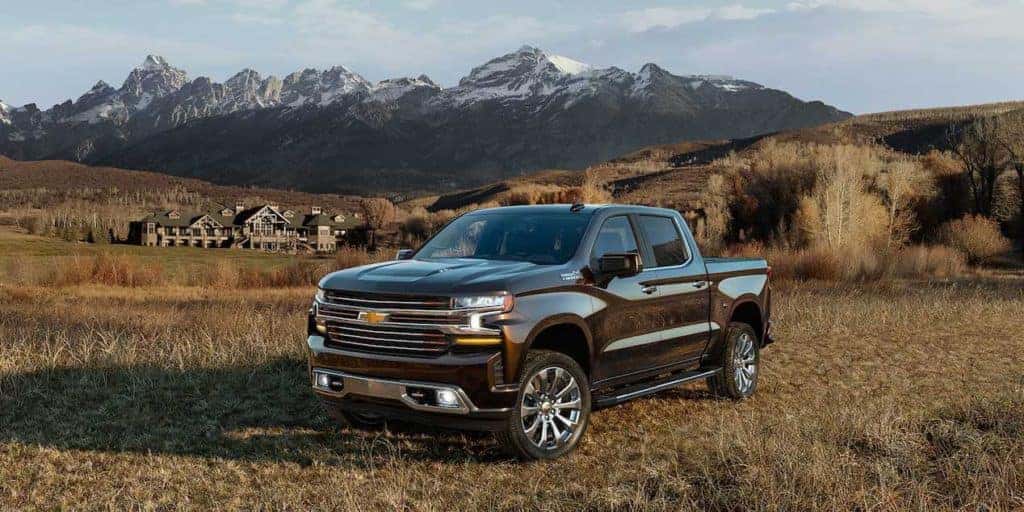
Lifting a truck can cost approximately $300 to $1,000 for a professionally installed leveling kit, while more extensive suspension lifts can cost $1,500 to $5,000 or more, depending on the vehicle, lift height, components, and labor involved. A truck lift can increase ground clearance, accommodate larger tires, and change your vehicle’s appearance, but choosing the right setup requires understanding the total cost and potential effects on performance. At Sid Dillon, we help drivers throughout Lincoln, Fremont, and surrounding Nebraska communities explore truck lift kits, compatible parts, and installation options. Learn how much it costs to lift a truck and which upgrades may fit your driving needs and budget.
How Much Does It Cost to Lift a Truck?
The cost to lift a truck depends primarily on the type of lift kit, installation requirements, and any additional modifications needed. Basic leveling kits generally cost less than full suspension lifts because they involve fewer components and less extensive changes to the vehicle. Larger lift kits may require replacement shocks, control arms, steering components, or other suspension upgrades that increase the total price.
The following estimates provide general pricing guidance for common truck lifting options. Actual prices vary by truck model, kit manufacturer, installation complexity, and local labor rates.
- Leveling kits: Basic kits often cost approximately $100 to $500 for parts, with professional installation bringing the estimated total to $300 to $1,000 or more.
- Body lift kits: Many basic body lift kits cost approximately $100 to $500 for parts, although installation labor and additional components can increase the overall expense.
- Suspension lift kits: Complete suspension lift systems can cost approximately $1,000 to $5,000 or more for parts, depending on lift height, shock quality, and included components. Professional installation adds to the cost.
- Premium or high-clearance lifts: Extensive suspension systems and custom modifications can push the total installed cost beyond $5,000, especially when larger wheels, tires, and drivetrain modifications are required.
These estimates are intended for budgeting rather than guaranteed pricing. The exact cost of lifting a Chevrolet Silverado, Ford F-150, GMC Sierra, Ram 1500, or another pickup depends on its model year, drivetrain, suspension configuration, and the equipment selected. Before purchasing a lift kit, verify compatibility and request an itemized estimate covering parts, labor, alignment, and any additional modifications.
What Factors Affect Truck Lift Kit Installation Costs?
Truck lift kit installation costs depend on the complexity of the suspension modifications, the number of components being replaced, and the amount of labor required. A basic leveling kit generally takes less time to install than a complete suspension lift that involves replacing multiple suspension and steering components.
- Installation labor: Simple leveling kits may require approximately two to four hours of labor, while more extensive suspension lifts can require seven to fifteen hours or longer. Installation times vary by vehicle and kit.
- Lift height: Taller lifts may require additional components to maintain appropriate suspension geometry, steering operation, and driveline angles.
- Wheel and tire upgrades: Larger tires or aftermarket wheels can increase the overall project cost and may require additional clearance adjustments.
- Wheel alignment: Suspension modifications often require a professional alignment to help maintain proper handling and reduce uneven tire wear.
- Vehicle compatibility: Four-wheel-drive systems, factory suspension packages, electronic suspension features, and existing vehicle modifications can affect installation requirements.
- Additional equipment: Some installations may require upgraded control arms, shocks, brake line accommodations, or other components not included with the original kit.
Although experienced owners may consider installing a truck lift kit themselves, improper installation can affect steering, braking, suspension travel, and vehicle stability. For most drivers, professional installation provides the opportunity to verify component compatibility, proper installation, and alignment. You can order truck parts or schedule service with Sid Dillon to discuss available options.
Lift Kits vs. Leveling Kits: What’s the Difference?
The main difference between a lift kit and a leveling kit is how much they raise the truck and which suspension components they modify. Leveling kits primarily reduce the factory height difference between the front and rear of a pickup, while suspension lift kits raise the vehicle more extensively and may provide additional ground clearance.
Understanding lift kits vs. leveling kits can help you determine which modification fits your truck’s appearance, tire clearance, and off-road requirements.
Leveling Kits
A leveling kit typically raises the front of a pickup approximately one to three inches to reduce the factory rake, which is the difference in height between the front and rear of the truck. Many pickups are designed with the rear sitting higher than the front to accommodate cargo and towing loads.
Leveling kits are often selected by truck owners who want a more even stance without making extensive suspension modifications.
- Primary purpose: Reduce the factory front-to-rear height difference.
- Typical height adjustment: Approximately one to three inches, depending on the vehicle and kit.
- Installation complexity: Generally less extensive than a complete suspension lift.
- Best suited for: Drivers seeking a modest appearance change or additional front tire clearance.
Leveling kits do not necessarily increase ground clearance beneath the truck’s lowest components, and raising the front can reduce the factory rake available when carrying heavy loads. Truck owners who frequently tow trailers or haul cargo should consider how leveling may affect loaded ride height, handling, and suspension operation.
Suspension Lift Kits
A suspension lift kit raises a truck by modifying or replacing suspension components, potentially increasing clearance beneath the frame and other parts of the vehicle. Depending on the system, a suspension lift may add approximately two inches of height or considerably more.
Suspension lift systems can include upgraded shocks, springs, control arms, steering components, and other hardware designed to accommodate the increased ride height.
- Primary purpose: Increase vehicle ride height and potentially improve off-road ground clearance.
- Typical height adjustment: Approximately two to six inches or more, depending on the kit.
- Installation complexity: More extensive than most leveling kits, particularly for taller suspension systems.
- Best suited for: Drivers seeking additional off-road clearance, larger tire fitment, or significant changes to their truck’s stance.
A suspension lift may improve clearance over certain off-road obstacles, but its performance depends on the complete suspension design, tire selection, and vehicle configuration. Larger lifts also change the truck’s center of gravity and may affect steering response, ride comfort, and stability.
Body Lift Kits vs. Suspension Lift Kits
Body lift kits and suspension lift kits raise different parts of a truck. A body lift increases the distance between the vehicle’s body and frame, while a suspension lift modifies the suspension to raise the chassis relative to the axles or wheel assemblies. The best option depends on the truck’s construction and the driver’s intended use.
Body Lift Kits
A body lift kit raises the body of a body-on-frame truck using spacers or other mounting components. These kits typically add approximately one to three inches of body height without substantially changing the factory suspension geometry.
Body lifts may provide additional room for larger tires in certain applications, but they do not increase ground clearance beneath the frame, axles, or other unchanged low-mounted components. Installation can also require adjustments to bumpers, brackets, and other vehicle connections.
Suspension Lift Kits
A suspension lift changes the truck’s suspension system to increase ride height and can provide additional clearance beneath portions of the vehicle. Depending on the design, installation may involve replacing springs, shocks, control arms, crossmembers, or other suspension components.
Suspension lifts are often preferred for off-road applications that benefit from increased clearance, but they generally involve greater expense and more extensive installation requirements than basic body lifts. Available ground clearance and suspension travel vary by design, and not every lift improves articulation or ride quality.
Before selecting either modification, confirm compatibility with your truck and review available manufacturer-supported accessories. Sid Dillon can help you explore genuine OEM parts and other compatible options for your vehicle.
What Are the Benefits of Lifting a Truck?
Lifting a truck can provide additional off-road clearance, greater flexibility when selecting tire sizes, and a more elevated appearance. However, the benefits depend on the lift system, vehicle configuration, and intended driving conditions. A properly selected lift should support a specific purpose rather than simply maximize vehicle height.
- Additional ground clearance: Certain suspension lifts can increase clearance beneath the truck’s frame or chassis components, helping it navigate some rocks, ruts, and uneven terrain. Differential clearance generally depends on tire diameter rather than suspension lift height alone.
- Room for larger tires: Some lift kits allow larger-diameter tires to fit, subject to wheel offset, suspension travel, and manufacturer clearance requirements. Larger tires may provide additional ground clearance beneath the axles and different traction characteristics.
- More distinctive appearance: Lift kits can create a taller, more pronounced truck stance. Leveling kits offer a subtler change for drivers who prefer to reduce the factory rake.
- Off-road customization: Certain suspension systems include specialized shocks, springs, and other components designed for particular off-road conditions. Actual improvements depend on the quality and engineering of the complete system.
Lifting a truck does not automatically improve fuel economy, ride quality, or resale value. Additional height, larger tires, and increased aerodynamic drag can reduce fuel efficiency, while changes to suspension geometry may increase wear on certain components. Truck owners should balance the potential advantages against installation expenses, maintenance requirements, and daily driving needs.
How Does Lifting a Truck Affect Towing, Fuel Economy, and Safety?
Lifting a truck can affect towing performance, fuel efficiency, handling, and vehicle stability because changing ride height alters the vehicle’s original configuration. The extent of these changes depends on the lift height, suspension design, wheel and tire selection, and any additional modifications.
- Towing and payload: Lift kits do not increase a truck’s manufacturer-rated towing or payload capacity. Changes to suspension geometry, tire size, and hitch height can affect towing stability and trailer compatibility. Verify all applicable ratings and restrictions before towing.
- Fuel economy: Increased ride height and larger, heavier tires may increase aerodynamic drag and rolling resistance, reducing MPG compared with the factory configuration.
- Handling and stability: Raising the truck’s center of gravity can increase body roll and affect cornering stability. Properly matched components and correct installation are essential.
- Braking performance: Larger or heavier wheels and tires can affect braking characteristics and stopping distances. Some configurations may require additional evaluation or supporting upgrades.
- Driver-assistance technology: Changes to vehicle height or alignment can affect systems that depend on cameras, sensors, and vehicle geometry. Calibration or inspection may be necessary depending on the truck and modification.
- Warranty considerations: A lift kit does not automatically void an entire vehicle warranty, but damage caused by an incompatible or improperly installed modification may not be covered. Review the applicable manufacturer warranty and accessory requirements before installation.
For Nebraska drivers who use their trucks for commuting, farm work, highway travel, or towing, it is important to select a lift that preserves the vehicle’s practical capabilities. Winter traction also depends heavily on tire condition, tread design, and driving conditions, not simply vehicle height.
Is It Better to Install a Truck Lift Kit Yourself or Hire a Professional?
Professional truck lift installation is generally the better choice for owners without extensive suspension repair experience, specialized equipment, or the ability to verify alignment and component operation. Although do-it-yourself installation can reduce labor expenses, the work may involve loaded springs, heavy suspension components, precise torque specifications, and safety-critical steering hardware.
Experienced DIY installers should follow vehicle-specific service procedures and the lift kit manufacturer’s instructions. Improper assembly, incorrect fastener torque, or incompatible components can create significant safety risks.
Professional installation may also include inspection of steering and suspension clearances, verification of brake line routing, and recommendations for wheel alignment or necessary calibrations. Ask whether these services are included in the installation quote.
If you are considering a lift kit for your pickup, the Sid Dillon team can help you discuss available components and service appointments before moving forward with a modification.
Frequently Asked Questions About Truck Lift Kit Costs
How much does a 2-inch lift kit cost?
A basic 2-inch leveling kit may cost approximately $100 to $500 for parts, with professional installation bringing the estimated total to $300 to $1,000 or more. A more comprehensive 2-inch suspension lift with upgraded shocks or other components can cost significantly more. Pricing depends on the truck model, kit design, and installation requirements.
How much does a 4-inch suspension lift cost?
A professionally installed 4-inch suspension lift may cost approximately $2,000 to $5,000 or more, depending on the truck and components included. Higher-end systems with upgraded shocks, control arms, and additional suspension hardware can exceed this range. Larger wheels, tires, alignment, and supporting modifications may add to the final expense.
Is a leveling kit cheaper than a lift kit?
Yes, a basic leveling kit is generally less expensive than a complete suspension lift because it usually modifies fewer components and requires less installation labor. Leveling kits are commonly used to raise the front of a pickup slightly, while suspension lifts can increase ride height more extensively and may involve replacing several suspension components.
How long does it take to install a lift kit on a truck?
A basic leveling kit may take approximately two to four hours to install, while an extensive suspension lift can require seven to fifteen hours or longer. Installation time depends on the vehicle, kit design, required modifications, and condition of the existing suspension. Wheel alignment, inspections, and other adjustments may require additional time.
Will lifting my truck affect its factory warranty?
Installing a lift kit does not automatically cancel an entire factory warranty. However, repairs for damage caused by aftermarket modifications may be excluded from warranty coverage. Certain manufacturer-supported suspension kits may include separate warranty protection when installed according to specified requirements. Review the warranty terms and confirm approved applications before modifying your truck.
Is lifting a truck worth the cost for everyday driving?
Lifting a truck may be worthwhile if you need additional off-road clearance, want to accommodate appropriately sized larger tires, or prefer a taller appearance. For everyday commuting and highway travel, a modest leveling kit or factory suspension may be more practical. Consider fuel economy, ride comfort, towing requirements, maintenance expenses, and vehicle stability before choosing a lift.
Explore Truck Lift Kits and Accessories at Sid Dillon
The cost to lift a truck depends on the type of kit, desired ride height, vehicle compatibility, and professional installation requirements. A basic leveling kit may provide an affordable way to adjust your truck’s stance, while a complete suspension lift offers more extensive customization for certain off-road applications. Sid Dillon helps truck owners throughout Lincoln, Fremont, and surrounding Nebraska communities explore compatible parts, installation options, and maintenance considerations. Visit your local Sid Dillon service center or contact our team to discuss available truck lift kits, request an installation estimate, and determine which modifications best suit your vehicle.
